Joe died young. But his and "The Clash's" memory live on in the programme as it seeks to explore and identify the music and the reasons behind the split of one of the most iconic punk rock groups of the day. We follow the life of one of the original members of "The Clash". Told through interviews of Joe's involvement in the ground breaking group from other band members including Mick Jones and 'Topper' Headon, we tell the story as it was.
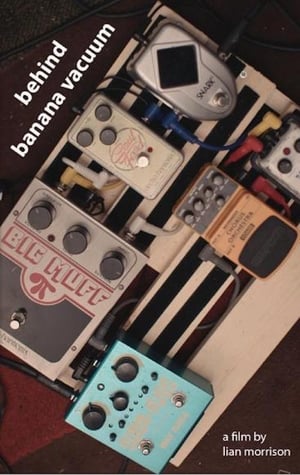
In 2007, 11 years after one of the most influential American punk bands, Jawbreaker, called it quits, the three members, Blake Schwarzenbach, Chris Bauermeister, and Adam Pfahler reconnect in a San Francisco recording studio to listen back to their albums, reminisce and even perform together one last time. Follow the band as they retell their "rags to riches to rags" story writhe with inner band turmoil, health issues, and the aftermath of signing to a major label. Featuring interviews with Billy Joe Armstrong, Steve Albini, Jessica Hopper, Graham Elliot, Chris Shifflet, Josh Caterer and more.
Considered one of Canada's most important women artists of the second half of the 20th century, Joyce Wieland's art embodies the essence of her homeland, feminism, and ecology. Artist on Fire: Joyce Wieland captures the vibrant spirit of this painter, collagist, quilt maker, and filmmaker. In the early '70s, Wieland was involved in filmmaking, producing movies with a political message. In her 30-year career, she worked in a variety of mediums, including cloth, pastels, colored pencil, oils, bronze, and watercolor. Her works and her influence are examined in this detailed video portrait.
By November of 1980, the B-52’s had two albums under their belt and were two months away from their debut Saturday Night Live performance. The New Wave band were quickly rising to national fame, and they were still touring with the original lineup which consisted of frontman Fred Schneider (who in this set’s liner notes is credited as playing both the glockenspiel and “various toys”), Cindy Wilson, Ricky Wilson, Kate Pierson and Keith Strickland.
The Feminist Library: A Short Film was made in support of the Save the Feminist Library Campaign, documenting a crucial moment in the library's herstory as it fights for its very survival. Shortlisted for the Women's History Network Community Prize, the film revisits the story of the library's inception and emphasises why feminism remains essential today.
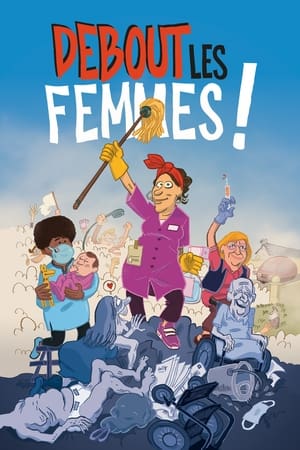
An international topic documentary on feminism and gender equality. The film reflects on current debates and analyses the potential of intersectional feminism to profoundly change our future societies.
Bloodied But Unbowed chronicles Bloodshot Records' 12 years (and counting) in the trenches of independent music. It's a world where it's easier to take down an M-1 Abrams tank with pub dart than get noticed and appreciated by the mainstream. Here you'll find the highs, the lows, the humiliations and the triumphs. It's an inspirational tale of the ages for anyone foolish enough to want to start a record label.
French powerhouse climber Mélissa Le Nevé tries to become the first woman to traverse Action Directe, one of the most revered and challenging routes in the sport.
In 1978 the Undertones released Teenage Kicks, one of the most perfect and enduring pop records of all time - an adolescent anthem that spoke to teenagers all over the globe. It was the first in a string of hits that created a timeless soundtrack to growing up, making the Undertones one of punk rock's most prolific and popular bands.
In 1983, now legendary post-punk icons Mission of Burma performed two highly regarded farewell shows at the Bradford Hotel in Boston. At the very peak of their power, the band was calling it quits due to guitarist Roger Miller's worsening tinnitus (ringing in the ears), no doubt brought on by their pummeling live performances. Those who were there recall a highly emotional evening: the band and audience were deeply connected through the enormity of what was about to be lost, which inspired Burma to rip through their sets with a passion that was both brutal and bittersweet.
Founded by Superchunk's Mac McCaughan and Laura Ballance in 1989, North Carolina’s Merge Records quickly grew to become one of America’s essential indie labels. From supporting their fertile local indie rock scene to launching international stars, for 25 years Merge has carved out uncompromising success by staying true to its independent roots. Google Play is proud to celebrate 25 years of Merge Records with this exclusive documentary and series of covers of Merge classics by Merge acts including Superchunk, the Mountain Goats, Telekinesis and more.
During the first week of September 1981, Twin/Tone took the mobile recording unit and rented a bunch of video gear and recorded 15 bands live (five nights) at the 7th Street Entry in Minneapolis... These movies are from the show on September 5th. The band had released "Sorry Ma..." earlier in the year and were already working on future projects. These clips are presented as they were recorded live... in set order and very much with the tuning that troubled the night. The Replacements were the middle band of three (Husker Du closed the show) and played two 25 minute sets.
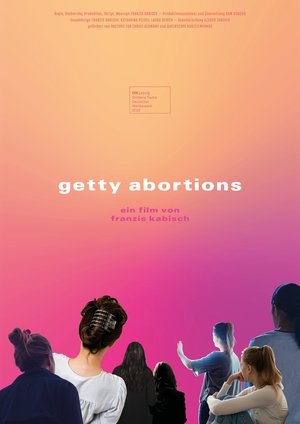
After a woman’s silent rage erupts into a fight post-coitus, a women’s group analyzes her refusal to stay passive. Another scene shows a woman’s despair when her lover misses their meeting, prompting the group to reject passive waiting. Together, they combat issues like rape, prostitution, and abortion rights (§218) to reclaim self-determination.
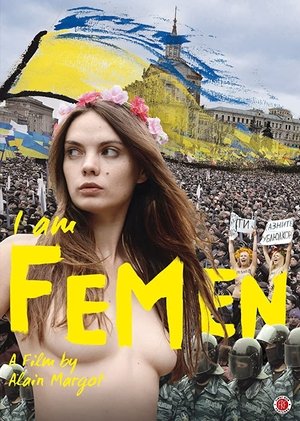
Performance artist Tasha Diamant is the first person in the world to stand naked on the street with the Extinction Symbol, which she started in 2012. This mini-doc was shot in 2019 in Montreal. Her work confronts privilege, capitalism, state oppression, obliviousness, whiteness, to name a few. Ask yourself: why 10 cops?
A group of young women from Ouagadougou study at a girl school to become auto mechanics. The classmates become their port of safety, joy and sisterhood, all while they are going through the life changing transition into becoming adults in a country boiling with political changes. In a country with youth unemployment at 52 percent, jobs are a hot issue. The young girls at a mechanics school in Burkina Faso’s capital Ouagadougou are right in the middle of a crucial point in life when their dreams, hopes and courage are confronted with opinions, fears and society’s expectations of what a woman should be. Using interesting narrative solutions, Theresa Traore Dahlberg depicts their last school years and at the same time succeeds in showing the country’s violent past and present. This is a feature-film debut and coming-of-age film with much warmth, laughs, heartbreak and depth.
A unique hybrid of documentary, silent film, drama and dance, 'Breaking Plates' puts revolutionary women of the past on the screen with present day filmmakers. Contemporary women talk to characters from 100 years ago, reanimate their antics and emulate their mayhem moves. As early 21st century performers step into the clothes of their early 20th century counterparts, battling their haywire machines, exploding gags, and eruptive bodies, they learn to wield humour as a weapon against the structures that contain them today.
Norman Mailer and a panel of feminists — Jacqueline Ceballos, Germaine Greer, Jill Johnston, and Diana Trilling — debate the issue of Women's Liberation.
Shut Up and Sing is a documentary about the country band from Texas called the Dixie Chicks and how one tiny comment against President Bush dropped their number one hit off the charts and caused fans to hate them, destroy their CD’s, and protest at their concerts. A film about freedom of speech gone out of control and the three girls lives that were forever changed by a small anti-Bush comment
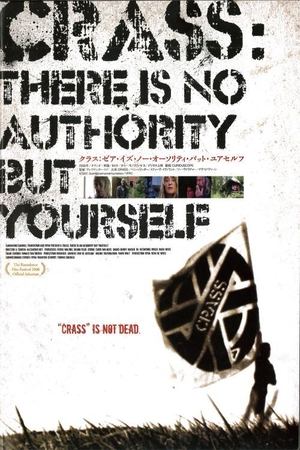
A Dutch documentary about the history of the anarchist punk band Crass. The film features archival footage of the band, and interviews with former members Steve Ignorant, Penny Rimbaud and Gee Vaucher.
Street art, creativity and revolution collide in this beautifully shot film about art’s ability to create change. The story opens on the politically charged Thailand/Burma border at the first school teaching street art as a form of non-violent struggle. The film follows two young girls (Romi & Yi-Yi) who have escaped 50 years of civil war in Burma to pursue an arts education in Thailand. Under the threat of imprisonment and torture, the girls use spray paint and stencils to create images in public spaces to let people know the truth behind Burma's transition toward "artificial democracy." Eighty-two hundred miles away, artist Shepard Fairey is painting a 30’ mural of a Burmese monk for the same reasons and in support of the students' struggle in Burma. As these stories are inter-cut, the film connects these seemingly unrelated characters around the concept of using art as a weapon for change.