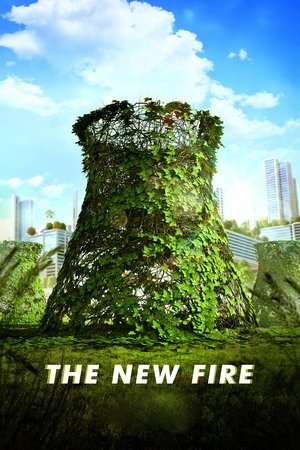
As the effects of climate change become more and more apparent, a new generation of nuclear engineers is on the rise, hoping to help solve this greatest environmental challenge humanity has ever faced. THE NEW FIRE is a documentary by Emmy-winning director David Schumacher, which provides a timely perspective on addressing climate change and global development. Nuclear energy has been vilified in much of the environmental community, yet the next-generation reactors currently in development may actually be the key to avoiding climate catastrophe
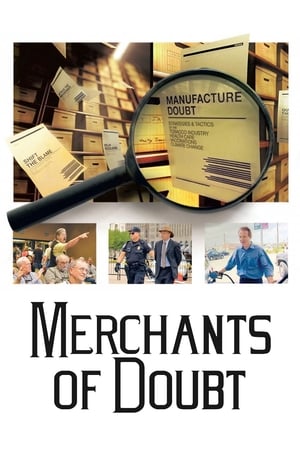
Spin doctors spread misinformation and confusion among American citizens to delay progress on such important issues as global climate change.
Ningwasum follows two time travellers Miksam and Mingsoma, played by Subin Limbu and Shanta Nepali respectively, in the Himalayas weaving indigenous folk stories, culture, climate change and science fiction.
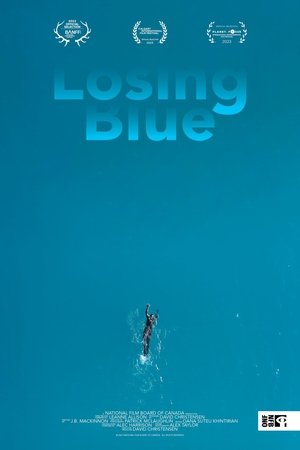
What does it mean to lose a colour? Losing Blue is a cinematic poem about losing the otherworldly blues of ancient mountain lakes, now fading due to climate change. With stunning cinematography, this short doc immerses the viewer in the magnificence of these rare lakes, pulling us in to stand on their rocky shores, witness their power and understand what their loss would mean—both for ourselves and for the Earth.
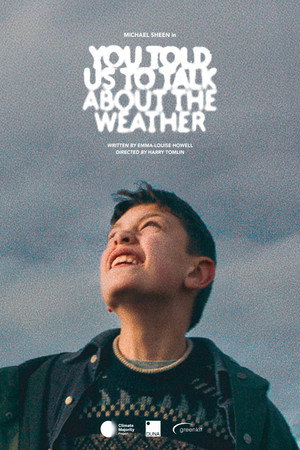
In the past six hours, 94% of Brits have spoken about the weather. In the past five years, 7000 Brits have been arrested for speaking out about the climate crisis. This short film, starring Michael Sheen, has been developed with young farmers and colleges in rural Norfolk. It questions why it’s so hard for us to have meaningful conversations about climate change. Told through the eyes of a child grappling with climate anxiety, the film explores the cost of British small talk and encourages audiences to elevate their daily habits into tools for meaningful change.
An epic story of Australian and international scientists who are racing to understand our greatest natural wonder and employing cutting edge science in an attempt to save it.
‘When it comes to climate change, why do we do so little when we know so much?’ Through a relentless investigation to find the answer, Disruption takes an unflinching look at the devastating consequences of our inaction. The exploration lays bare the terrifying science, the shattered political process, the unrelenting industry special interests and the civic stasis that have brought us to this social, moral and ecological crossroads.The film also takes us behind-the-scenes of the efforts to organize the largest climate rally in the history of the planet during the UN world climate summit.
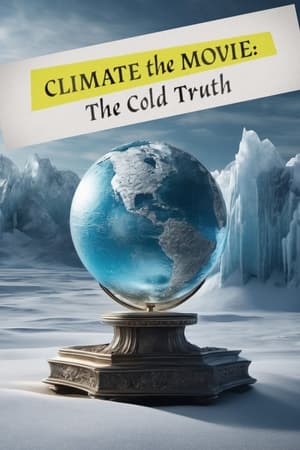
"Climate: The Movie" highlights a different perspective on the climate change debate and is supported by scientists who have signed the Clintel's World Climate Declaration. This group of researchers seeks to present an alternative narrative in the face of the dominant discourse.
Describes the eight major climatic regions of the United States, and explains how climate affects the agriculture, industry, and population of each region. Identifies the factors which determine climate, including latitude, landforms, ocean currents, altitude and winds.
Renowned paleontologist Kirk Johnson takes us on an epic adventure through time at the polar extremes of our planet. Following a trail of strange fossils found in all the wrong places—beech trees in Antarctica, hippo-like mammals in the Arctic—Johnson uncovers the bizarre history of the poles, from miles-high ice sheets to warm polar forests teeming with life. What caused such dramatic changes at the ends of the Earth? And what can the past reveal about our planet’s climate today—and in the future?
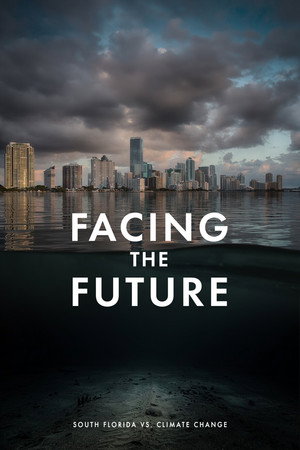
Densely developed, low-lying South Florida is one of the most vulnerable regions to sea-level rise and climate change in the U.S. and the world. South Florida sits on the front lines of sea-level rise and climate change—and this WLRN original production offers a compelling look at how local communities are responding. Filmed throughout the 2024 hurricane season, it highlights innovative projects and grassroots efforts across the region, from infrastructure improvements to environmental education and citizen science. Following climate leaders and advocates over the course of a year, the film captures both the urgency of these challenges and the resilience of those working toward solutions. It culminates at a regional summit in Key West, where participants reflect on progress and the path ahead.
A surrealistic look at the future if man does not learn to control pollution.
In the Netherlands, 200,000 young people are concerned about the end of the world and the major climate disasters they may experience. They learn from Greta Thunberg that the world will end if we continue like this. Climate depression and eco-anxiety have recently become official diagnoses. Robin (26 die/them), Melih (16 he/him) and Armando (21 he/him) turn their concerns into action. How far will they go and how lonely is their struggle? Documentary about the biggest problem of our time and the pressure this puts on a growing generation.
For Los Angeles natives living in the early 1900s, bicycles and streetcars shared the road as our primary modes of transportation. But the arrival of the freeway effectively wiped them out. Today, a collective of cycling communities fight for protected bike lanes and road safety, determined to bring a new era of mobility justice to the city.
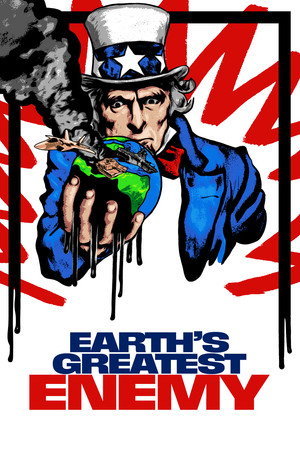
In Abby Martin's second feature documentary, Earth’s Greatest Enemy reveals a hidden truth behind the climate crisis: the role of the U.S. military as the world’s largest institutional polluter. Drawing on powerful testimonies from veterans, scientists, and frontline communities, it uncovers how military operations poison ecosystems, accelerate global warming, and sacrifice the future for endless expansion. From Alaska’s melting glaciers to contaminated bases across the U.S. and toxic battlefields abroad, Earth’s Greatest Enemy delivers a provocative and unflinching examination of the untouchable institution playing an outsized role in the climate crisis.
A documentary that reflects on the vision of 'progress' that governments cling to in times of climate change, focusing on the personal and collective experience lived in Puerto Rico after Hurricane Maria struck the island in 2017.
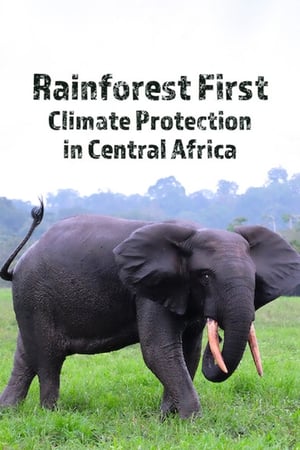
This documentary focuses on the Green Gabon program in the Congo Basin and explores rainforest conservation efforts as a way to stem climate change.
In Canada and Alaska, the consequences of global warming are being keenly felt by brown bears - but in different ways by different populations. Their survival depends mainly on the quantity of wild salmon available in the region, as it is the fruit of their catch that enables the bears to accumulate fat reserves for the winter. While salmon populations off Canada's Pacific coast continue to decline year after year, in the immense Bristol Bay in western Alaska, as well as on Kodiak Island, they are increasing considerably. The water temperature in the North Pacific is now ideal for salmon development. From Canada to Alaska, the documentary follows different bear populations over a two-year period.
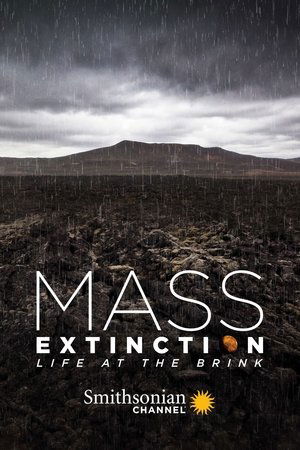
It's death on an unimaginable scale, when a majority of Earth's species quickly die out. It's called "mass extinction," and it's happened at least five times before. Cataclysms, such as supervolcanoes or asteroids, are thought to cause these events, but some experts believe a manmade mass extinction could be next. Is our planet in trouble? And if so, is there anything we can do to stop the next catastrophic annihilation? Experts are traveling the world, performing groundbreaking scientific detective work to answer these very questions.
As the Dead Sea shrinks, engineers prepare a daring solution: connect it with the Red Sea by way of a massive desalination plant. If it works, it could stabilise the lake and ease regional tensions.