Strong Puerto Rican women forced to flee the island after Hurricane Maria have bonded like family in a FEMA hotel in the Bronx. They seek stability in their new life as forces try to pull them apart.
Rhesus Monkeys of Santiago Island, Puerto Rico" (1966) is an in-depth documentary that explores the establishment and subsequent study of a rhesus monkey colony on Cayo Santiago, a small island located off the southeastern coast of Puerto Rico. This colony, established by the National Institutes of Health (NIH), serves as a significant site for research into the social behavior and population ecology of rhesus monkeys (Macaca mulatta).
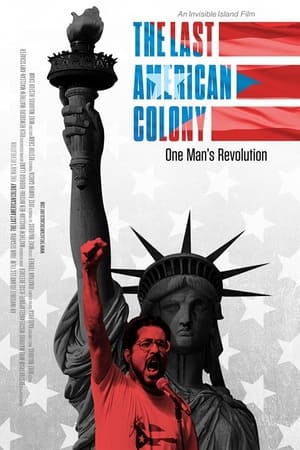
Puerto Rico, the last relic of colonization in the western hemisphere, has been a dependent territory of the USA since 1917. Los Macheteros and one of its leaders Juan Segarra have been fighting for its full independence for many decades.
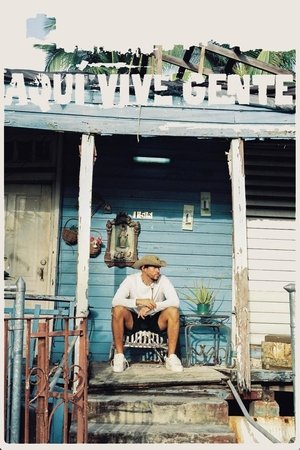
“El apagón: Aquí vive gente” is a 23-minute film that explores the socio-economic challenges in Puerto Rico, focusing on the effects of power outages and gentrification driven by the real estate and energy sectors. Through visuals and personal stories, the documentary highlights the experiences of Puerto Rican communities facing these issues.
Documentary on the mass sterilization of Puerto Rican women during the 1950s and '60s.
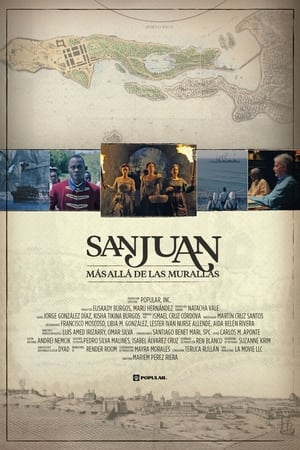
Explore the 500-year history of the city of San Juan, from the move from Caparra to the different invasions during these centuries. It also looks at how different situations and people were key to what is now the capital of Puerto Rico. This documentary presents, through the recreation of key situations, archival material, and accounts of historians and researchers, decisive moments that influenced what is now the capital.
Hurricane María abated, the news crews packed up and left Puerto Rico, and the interest of the international community turned elsewhere. What happened next?
PsiQuis: Un Giro Decolonial is a documentary that presents and discusses the psychological impact that colonialism has had on the Puerto Rican people. The director analyzes the traumas generated in Puerto Rican society by that colonial experience.
A poetic journey about the life and work of Puerto Rican poet Julia de Burgos.
Artificial intelligence is taking on different roles in the filmmaking space. The questions we must ask ourselves are: what are the pros and cons of this advancement? How can we work with it, and what power do we have as human beings in the face of this technology?
Part of a series of films produced by Vme TV that features aerial videography shot from a helicopter of points of interest. This film in particular features points of interest in Puerto Rico.
The efforts of a community to build a bridge which would allow their children to go school during the rainy season.
Explore the burgeoning Reggaeton music scene going back to its roots in Jamaican Reggae and Latin American Soca rhythms. Take an in-depth look at the increasingly popular reggaeton style of music by revisiting its reggae and Latin American soca roots in this documentary.
Immigrant residents of a “shift-bed” apartment in the heart of New York City’s Chinatown share their stories of personal and political upheaval. As the bed transforms into a stage, the film reveals the collective history of the Chinese in the United States through conversations, autobiographical monologues, and theatrical movement pieces. Shot in the kitchens, bedrooms, wedding halls, cafés, and mahjong parlors of Chinatown, this provocative hybrid documentary addresses issues of privacy, intimacy, and urban life.
In San Juan, Puerto Rico, hundreds of artists gathered to pay honor to the work of Puerto Rican artist Myrna Báez. La otra intención (The Other Intention) is an observational documentary that travels through the work of Myrna while visiting artists, such as Petra Bravo, Deborah Hunt, Yiyo Tirado, Gustavo Castrodad, the theater group Y no había luz, among others, to accompany them in their creative process of re-interpretation.
A look at Puerto Rico and its cinema through films, documentaries, and commercials from the early twentieth century to the emerging cinema of today. Visual and narrative strategies portray fragments of Puerto Rico's general history and, in turn, answers the questions of who, when, and for whom have films been made in Puerto Rico and the resources that are available to do it.
Explores concerns about uterine cancer and the value of the Pap Test in detecting this serious type of cancer.
Documentary about how the arrival of the railway industry impacted Puerto Rican culture economically, socially, and humanistically during the first half of the 20th century. It includes photos by Jack Delano, among others, and scenarios to reconstruct the experience of what could have been the last trip made by train from San Juan to Ponce in 1953.
A documentary that reflects on the vision of 'progress' that governments cling to in times of climate change, focusing on the personal and collective experience lived in Puerto Rico after Hurricane Maria struck the island in 2017.
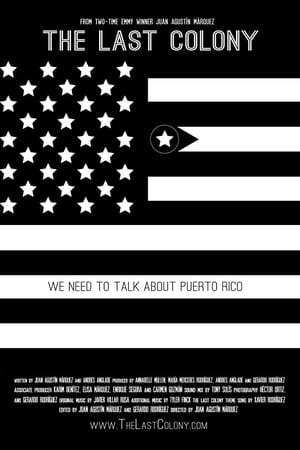
A close look at Puerto Rico's unique relationship with the United States.