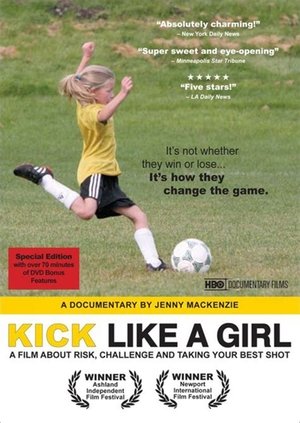
The story of what happens when "The Mighty Cheetahs," an undefeated all-girls soccer team, competes in the boys division. With humor and candor this documentary gets at the heart of the boy-girl issues and explores what "Kick Like A Girl" really means on and off the playing field. Kick Like A Girl reminds us all of the lessons learned in competitive athletics and how sports has been one of the most effective instruments of social change in our lifetime.
Following the 2002 HBO documentary "Journeys with George," Pelosi's irreverent account of George W. Bush on the campaign trail, she set out on the road again with a handful of distinguished men competing to see who could eat the most pies, raise the most money and get the most votes to become the Democratic Party nominee.
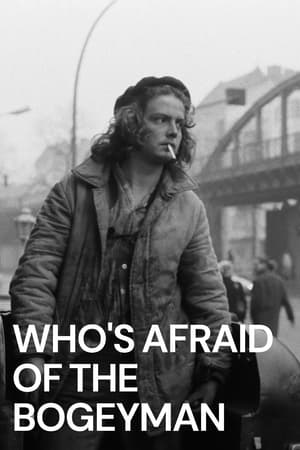
Portrait of a private coal company in East Berlin's Prenzlauer Berg district in 1988/89. The feisty woman boss runs the business with humour and understanding. Her seven male employees respect her. To the outside world, they are all tough guys, but as they describe their jobs and personal situations, above and beyond the hard manual labour, their vulnerability starts to come to light.
Sitting at her typewriter, listening to tango music, she dreams. Buenos Aires and Montevideo are far away, a different world where, long ago, the tango came into being. A dream about dance and music, as well as about unfulfilled desire and wanderlust behind the Berlin Wall.
Photographer Gundula Schulze wrote her graduate thesis on "nude photography of women in East Germany". It's a subject she continues to pursue in her photography. She considers the stereotype of superficial nude photography anachronistic, and talks vividly about being at pains to develop a relationship of trust with the women she photographs. Schulze wants to show what makes up the "whole woman", living up to her position in East Germany. Scenes of women in the professional world have been edited into the film.
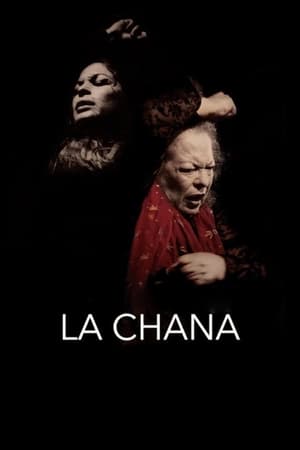
The film brings us under the skin and into the mind of La Chana, a talented Gypsy flamenco dancer as she returns to the stage to give a final seated performance after a 30-year break. Along the way, La Chana reveals the secret behind her disappearance when she was at the peak of her career.
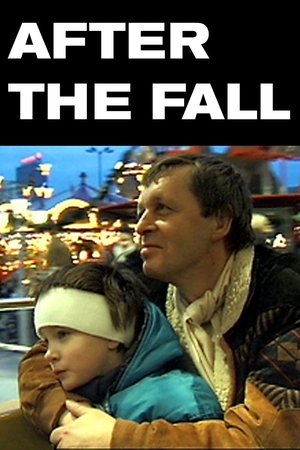
A documentary exploring the aftermath of the Berlin Wall's fall, the film features interviews in English and German with long-time residents and foreign visitors/residents from both sides of the former divide.
This feature documentary takes us to the heart of the Jane-Finch "Corridor" in the early 1980s. Covering six square blocks in Toronto's North York, the area readily evokes images of vandalism, high-density subsidized housing, racial tension, despair and crime. By focusing on the lives of several of the residents, many of them black or members of other visible minorities, the film provides a powerful view of a community that, contrary to its popular image, is working towards a more positive future.
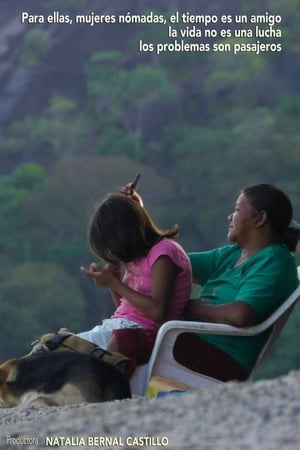
María is an Amorúa girl; an indigenous group that traveled the savannas of Orinoquía as nomads. She lives with her grandmother Matilde, her sister diana and her cousins in Puerto Carreño, in the Colombia-Venezuela border. The amorúa are considered wild and are not literate. Matilde wants her granddaughters to learn to write and read to live better in this town of "rational whites" as they call us. The director follows María's life for 8 years from her childhood to her adolescence and invites her to travel the places her grandma did as a nomad.
Menhaden: The Most Important Fish in the Bay examines the role of a little-known, oily, little fish in the Chesapeake Bay. From its original concept as a classic man-versus-environment story, the film evolved to reflect the complexity of sustaining a menhaden fishery that many diverse interests depend on. The outcome: a story that seamlessly weaves together different perspectives on the menhaden fishing industry and its culture utilizing engaging personal vignettes, scientific data and creative visual storytelling techniques. Techniques include archival footage blended with cinematic live-action footage, musical performances and original, handmade animations.
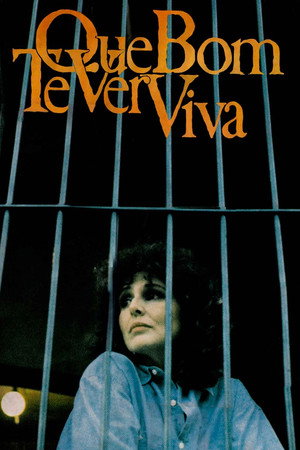
Four years after a military coup overthrew the Brazilian government in 1964, all civil rights were suspended and torture became a systematic practice. Using a mix of fiction and documentary this extraordinary film is a searing record of personal memory, political repression and the will to survive. Interviews with eight women who were political prisoners during the military dictatorship are framed by the fantasies and imaginings of an anonymous character, portrayed by actress Irene Ravache.
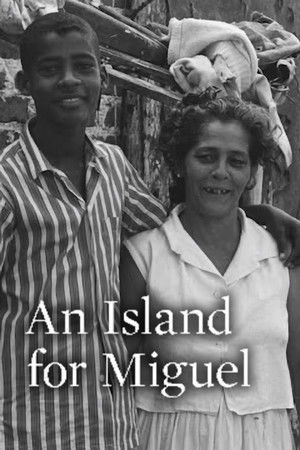
In this film, Sara Gómez documents the everyday life of the Isla de Pinos, the discussions about the problems of construction, the school and the leisure activities of the youth in 1968 and contextualizes these images with Frantz Fanon's thoughts about the construction of a nation through decolonization.
Lucy Daniels believes that a family secret told to her as a four year-old radically impacted the trajectory of her life, and set in motion a life-long debilitating mental illness. Born into a powerful newspaper-magnate family, from an early age Lucy defined her worth by her ability to write. Despite early success, she was struck with severe anorexia and underwent brutal treatment in mental institutions, only to survive, pen her first best-seller, and ultimately win a Guggenheim Prize in literature - all before the age of 22. The first of its kind, this hybrid documentary weaves together 'relational' recreations, animated dream sequences, constructed worlds and intimate interviews to tell a worthwhile story of survival and creativity, filtered through the eyes of filmmaker and subject.
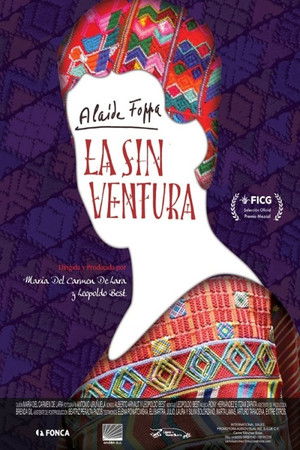
In the course of Alaide Foppa's life, she became a precursor of feminism in Mexico. She was an immigrant who, in her own way, tried to break the molds established by her upper-class upbringing. Her sensitivity and intellectual development made her question matters of social injustice, educational and gender inequalities, the importance of socially-committed art forms and the vindication of democracy throughout Latin America. Her tragic end reveals much about the history of Guatemala.
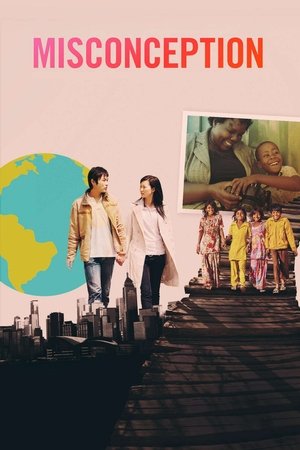
For almost 50 years, the world's population has grown at an alarming rate, raising fears about strains on the Earth's resources. But how true are these claims? Taking cues from statistics guru Hans Rosling, Misconception offers a provocative glimpse at how the world—and women in particular— are tackling a subject at once personal and global. Following three individuals, director Jessica Yu focuses on the human implications of this highly charged political issue, inspiring a fresh look at the consequences of population growth. In English, Hindi, Mandarin, and Russian with subtitles.
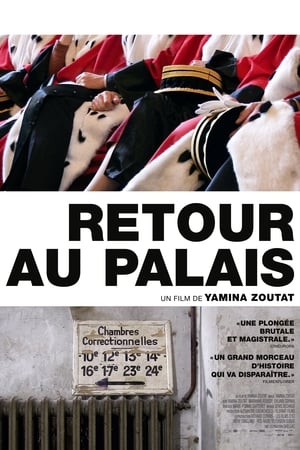
Located on the île de la Cité, in the middle of the Seine, the Paris Law Court looks like an impenetrable fortress. Like Kafka’s castle, it guards its secrets well. It is the place of power. The filmmaker, who worked there for several years as a crime reporter, is extremely familiar with its labyrinthine spaces, its practices, its ceremonies. She comes back to it now, while the Courthouse, such as she knows it, is about to disappear: its relocation is planned in 2017. So, she explores it, camera in hand, on the traces of her experience.
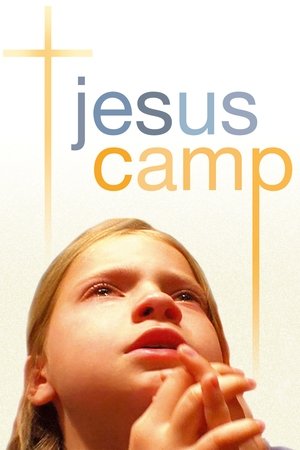
A documentary on kids who attend a summer camp hoping to become the next Billy Graham.
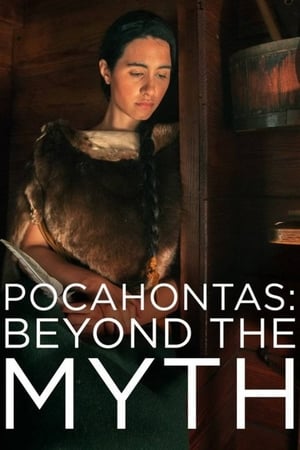
The story of Pocahontas has been passed down through the centuries. Her relationship with John Smith has been characterized as a romance that united two cultures and created lasting peace. However, the life of this American Indian princess was anything but a fairytale. Join us as we look beyond the fiction and reveal the real story of Pocahontas, a tale of kidnapping, conflict, starvation, ocean journeys, and the future of an entire civilization.
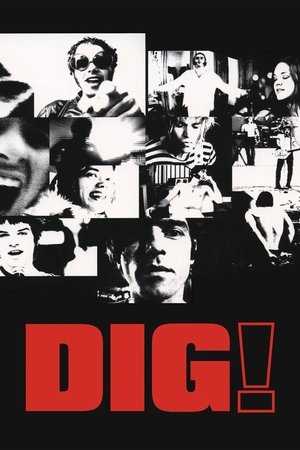
A documentary on the once promising American rock bands The Brian Jonestown Massacre and The Dandy Warhols. The friendship between respective founders, Anton Newcombe and Courtney Taylor, escalated into bitter rivalry as the Dandy Warhols garnered major international success while the Brian Jonestown Massacre imploded in a haze of drugs.
In the Realms of the Unreal is a documentary about the reclusive Chicago-based artist Henry Darger. Henry Darger was so reclusive that when he died his neighbors were surprised to find a 15,145-page manuscript along with hundreds of paintings depicting The Story of the Vivian Girls, in What is Known as the Realms of the Unreal, of the Glodeco-Angelinnian War Storm, Cased by the Child Slave Rebellion.