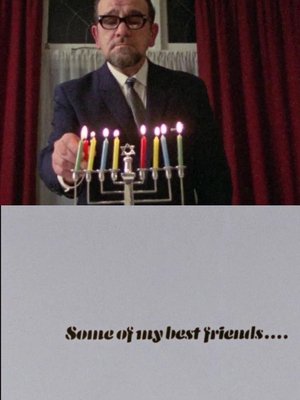
Jewish people - and a few Gentiles - muse on what it means to be Jewish in 1960s Britain. The challenges of maintaining faith and culture outside Israel, and in a society where ‘Jewish’ and ‘English’ are seen as mutually exclusive identities are perceptively explored in this astute documentary. Some secular Jews are keen to distance themselves from traditional Judaism and especially Zionism (one defines himself simply as a Marxist). Gentiles are on hand to cheerfully perpetuate some of the old stereotypes, and we’re treated to colourful snapshots of the Jewish community in London: the rag trade, a kosher butcher and restaurant.
In What Makes a Woman, Munroe Bergdorf sets out to explore the changing world of gender and identity by way of her very own, very personal journey. Showing her in quiet, intimate, and extremely vulnerable moments. An honest insight into gender identity, Bergdorf prepares for a life-changing facial surgery, helping her finally picture herself as a woman.
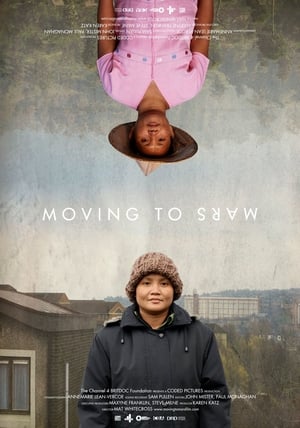
Moving to Mars charts the epic journey made by two Burmese families from a vast refugee camp on the Thai/Burma border to their new homes in the UK. At times hilarious, at times emotional, their travels provide a fascinating and unique insight not only into the effects of migration, but also into one of the most important current political crises - Burma.
We look first at Westminster Abbey and the Towers of Parliament. And the sight-seeing only starts there as it continues to all the famous buildings of London.
A look at the feud between graffiti artists King Robbo and Banksy.
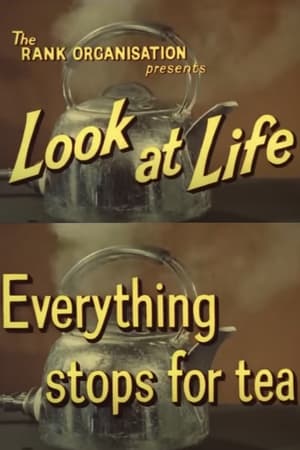
A short documentary about the tea drinking culture in the UK and the industry behind it.
An exploration of the Met’s investigation into Sarah’s murder, how this devastating crime unfolded and its impact. Told by those closely involved in the case from the outset, many of whom are speaking on camera for the first time, including the Senior Investigating Officer, the Prosecuting Barrister and Sarah’s local MP.
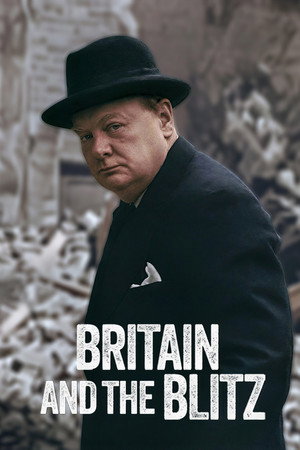
Documentary looking back at a Britain during the darkest days of WWII using stunning new archived footage and interviews with people who lived through it.
A documentary about Spitting Image (1984) and the impact it had, including clips of the most memorable moments and contributions from many of the cast, crew and some of celebrities portrayed on the show.
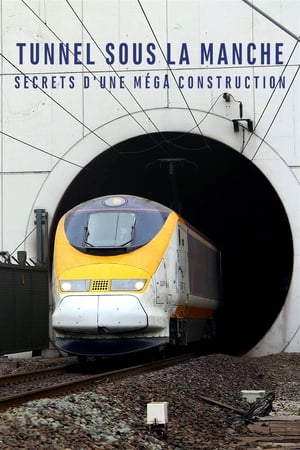
The Channel Tunnel linking Britain with France is one of the seven wonders of the modern world but what did it take to build the longest undersea tunnel ever constructed? We hear from the men and women, who built this engineering marvel. Massive tunnel boring machines gnawed their way through rock and chalk, digging not one tunnel but three; two rail tunnels and a service tunnel. This was a project that would be privately financed; not a penny of public money would be spent on the tunnel. Business would have to put up all the money and take all the risks. This was also a project that was blighted by flood, fire, tragic loss of life and financial bust ups. Today, it stands as an engineering triumph and a testament to what can be achieved when two nations, Britain and France put aside their historic differences and work together.
"Everybody should have a home. If you punish a nation, this is so abstract, it's very mean to use your power to put another country in your control... Instead of punishment, maybe we should have love." Eliane from Chile, Milad from Iran, and Georgia from Greece, three migrants in the UK and their thoughts on love, home, family, and Shakespeare's Romeo and Juliet.
A look at Britain's beloved canal network via a fact-filled cruise along the first superhighways of the Industrial Revolution. In the age before mechanisation, a frenzy of canal-building saw a new army of workers carve out the British landscape, digging out hundreds of miles of waterways using picks, shovels and muscle.
David Jones investigates how 1960s council housing came to be built so poorly that thousands later needed to be demolished.
A deep dive into the current state and business of independent cinemas operating in Manchester, UK. The declaration that "movie theatres are dying" gets tossed around a lot these days. But is that really the case? Let's find out.
Born in 1948, Peter Street struggled at school with epilepsy and illiteracy in Bolton, Lancashire, and, later in life, as a slaughterman, a gravedigger and a war poet. At 66 years old he was then diagnosed with autism, and his world changed forever.
War has been declared between William and Harry, who are no longer on speaking terms. The elder brother, temperamental and ultra-traditionalist, was raised by his grandmother, for whom only the crown mattered. Harry, on the other hand, is the unloved one. He was the most popular member of the family before he left for the United States with his wife Meghan. Who will win the battle for the hearts and minds of the British people?
Kirsty Young, Huw Edwards, Sophie Raworth and Claire Balding are your guides for the historic coronation of Their Majesties King Charles III and Queen Camilla on Saturday 6 May. From her studio outside Buckingham Palace, Kirsty will be joined by guests, including friends and colleagues of the King and Queen, who will share their personal insights. Throughout the morning, a series of films will explore the King’s passions, and a broad range of experts will join Kirsty to provide analysis of this new chapter in British history. Across the capital, a team of presenters will be in key locations to report and commentate throughout the day as events unfold. As the armed forces prepare for one of the largest military parades in living memory, JJ Chalmers will speak to servicemen and women from across the UK and the Commonwealth as they arrive in London to take their positions.
The film was about a group of Polish ice skaters at the slide of the Warsaw Ice Skating Society. The film was filmed using a pleograph which was an early type of the movie camera invented by Kazimierz Prószyński.
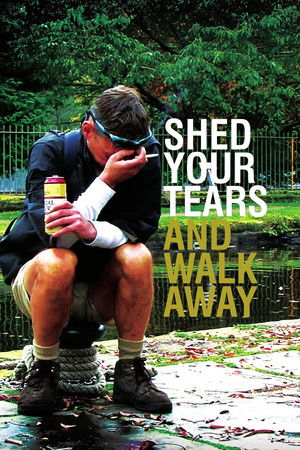
Real-life drama about why, in a beautiful and quirky rural town, film- maker Jez Lewis' childhood friends are killing themselves. Beginning with a personal quest for understanding, the film moves into a year-long drama of human tragedy and redemption as principal character Cass comes to terms with his own mortality and attempts to lift himself out of his cycle of self-destruction. This core narrative carves an upward arc through an intimate study of a place often described as paradise, but which harbours an undertow of lethal hedonism and disillusionment. As people continue to kill themselves during the making of the film, a maelstrom of conflicting values throws up unexpected truths about the human condition.
After waiting 74 years to ascend to the throne, Charles III fell ill less than a year after his coronation. The king's health is a cause for concern throughout the kingdom, and the vague statements issued by his medical team raise more questions than they answer. Michael Dixon, head of the king's medical team, is a fervent advocate of homeopathy and alternative medicine. His appointment has been highly controversial.