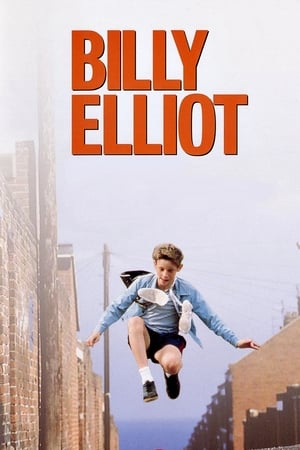
County Durham, England, 1984. The miners' strike has started and the police have started coming up from Bethnal Green, starting a class war with the lower classes suffering. Caught in the middle of the conflict is 11-year old Billy Elliot, who, after leaving his boxing club for the day, stumbles upon a ballet class and finds out that he's naturally talented. He practices with his teacher Mrs. Wilkinson for an upcoming audition in Newcastle-upon Tyne for the royal Ballet school in London.
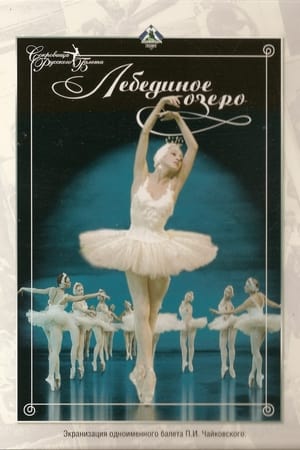
Swan Lake, a screen adaptation of the ballet of the same name by Pyotr Tchaikovsky. Performed by Kirov Ballet, starring Yelena Yevteyeva as Odette and directed for film by Appolinariy Dudko and Konstantin Sergeyev. Produced by Lenfilm studios in 1968. Orchestra of the S.M. Kirov Leningrad Academic Opera and Ballet Theater, conductor Victor Fedotov. Ballet dancers of the Leningrad State Academic Theater of Opera and Ballet named after S.M. Kirov and students of the Leningrad Choreographic School M. Agrippina Vaganova took part in the film. Golden Orchid Prize - Grand Prix at the VIFF of ballet films in Genoa, Italy (1969).
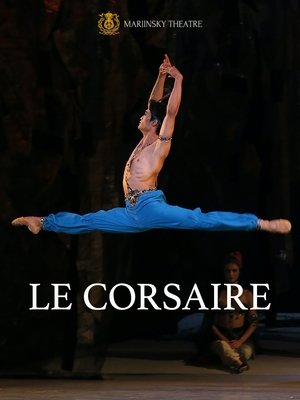
The Mariinsky Theater presents Le Corsaire, a ballet in three acts, with a libretto based on the poem The Corsair by Lord Byron.
Eugen Suchoň's ballet Angelika is historically the first Slovak ballet in staged form, depicting the story of a musically gifted but poor and underestimated girl who is wrongly accused of theft. In the 2014/2015 season, the SND Ballet undertook the staging of the first Slovak ballet. Composer Eugen Suchoň (1908 - 1993), one of the founders of Slovak musical modernism, wrote the ballet pantomime Angelika for Slovakia as a seventeen-year-old pupil of the Music School. The work was found in the composer's estate along with other compositions from the so-called pre-Opus period. Mauro di Candia, who choreographed and directed the first staging of Suchoň's work, presents the staging concept of the ballet Angelika as an original, precise and pure ballet form within a contemporary choreographic language, combined with the musical elements of Suchoň's melodic score.
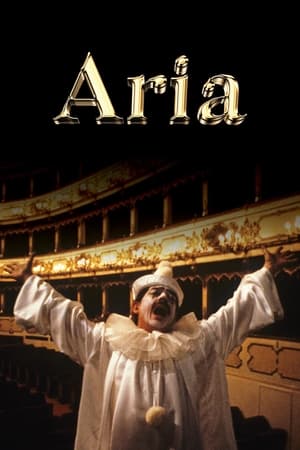
Ten short pieces directed by ten different directors, including Ken Russell, Jean-Luc Godard, Robert Altman, Bruce Beresford, and Nicolas Roeg. Each short uses an aria as soundtrack/sound, and is an interpretation of the particular aria.
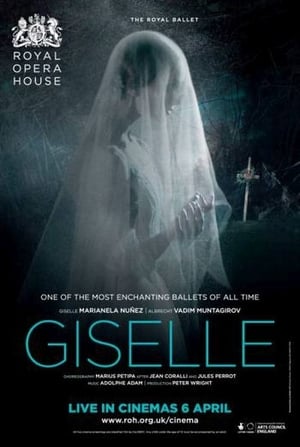
The peasant girl Giselle discovers the true identity of her lover Albrecht – and that he is promised to another. Giselle kills herself. Her soul enters the ranks of the Wilis – shades of young women who died before their wedding day. All men that come across their path are compelled to dance themselves to death, and Albrecht falls into their trap. Giselle’s intercession saves Albrecht and releases her soul from the Wilis’ power.
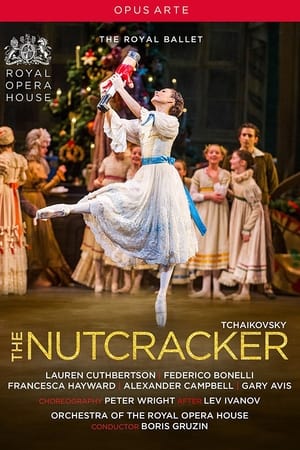
The young Clara creeps downstairs on Christmas Eve to play with her favourite present – a Nutcracker. But the mysterious magician Drosselmeyer is waiting to sweep her off on a magical adventure. After defeating the Mouse King, the Nutcracker and Clara travel through the Land of Snow to the Kingdom of Sweets, where the Sugar Plum Fairy treats them to a wonderful display of dances. Back home, Clara thinks she must have been dreaming – but doesn’t she recognize Drosselmeyer’s nephew?
Part folklore, part opera-ballet, this féerie presents local pagan traditions on the day of the summer solstice and historical events from Cossack times to the more recent 2014 Ukrainian Revolution of Dignity.
Characters from Haitian folklore come to life telling their story of ritual, ceremony and celebration. All wait to be overcome by the female spirit Erzuli. Who will be chosen?
Two young lovers, offspring of the feuding Montague and Capulet families, value feelings above the past, pitting love and forgiveness against hatred and revenge.
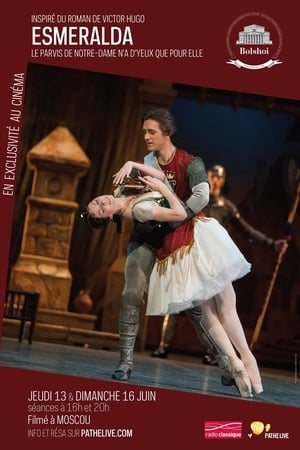
La Esmeralda is a ballet in three acts and five scenes, inspired by the novel Notre-Dame de Paris by Victor Hugo, originally choreographed by Jules Perrot to music by Cesare Pugni, with sets by William Grieve and costumes by Mme. Copère.
Flames of Paris (Russian: Пла́мя Пари́жа) is a full-length ballet in four acts, choreographed by Vasily Vainonen to music by Boris Asafyev based on songs of the French Revolution. The libretto by Nicolai Volkov and Vladimir Dmitriev was adapted from a book by Felix Gras.
Clara is given an enchanted Nutcracker doll on Christmas Eve. As midnight strikes, she creeps downstairs to find a magical adventure awaiting her and her Nutcracker. The magician Drosselmeyer transforms the drawing room into a battle between mice and toy soldiers. During the battle, Clara saves the Nutcracker’s life – so breaking a magical spell that turned him from a boy to a toy – and the Mouse King is defeated. In celebration, Drosselmeyer sweeps Clara and the Nutcracker off to the Kingdom of Sweets, where they meet the Sugar Plum Fairy and take part in a wonderful display of dances. The next morning, Clara’s adventures seem to have been more than just a dream.
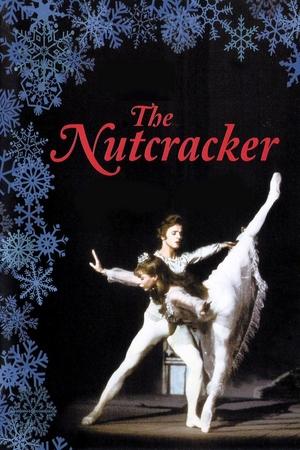
The Nutcracker is Mikhail Baryshnikov's breathtaking and critically acclaimed Emmy-nominated production. This spectacular performance is danced by the magnificent team of Baryshnikov, one of the greatest classical dancers of the century, and Gelsey Kirkland, both showcased at the peak of their careers, with members of the American Ballet Theatre.
At Mr. Rad's Warehouse, the best hip-hop crews in Los Angeles compete for money and respect. But when a suburban crew crashes the party, stealing their dancers — and their moves — two warring friends have to pull together to represent the street.
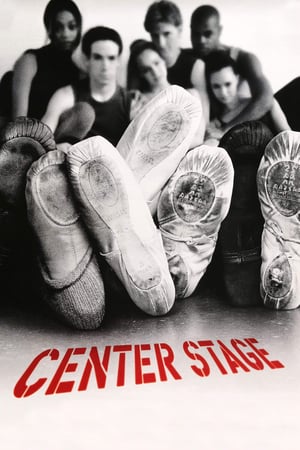
A group of 12 teenagers from various backgrounds enroll at the American Ballet Academy in New York to make it as ballet dancers and each one deals with the problems and stress of training and getting ahead in the world of dance.
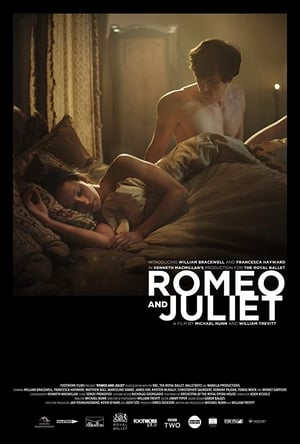
As members of the feuding Capulet and Montague families, Romeo and Juliet should be sworn enemies, but they fall deeply in love and marry in secret. That very day, disastrous circumstances lead Romeo to fight and kill Juliet’s cousin Tybalt, setting off a chain of events that culminate in tragedy.
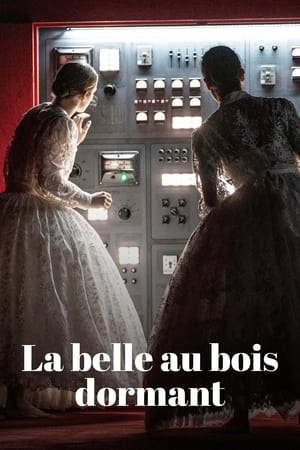
Marcos Morau : La Belle au bois dormant
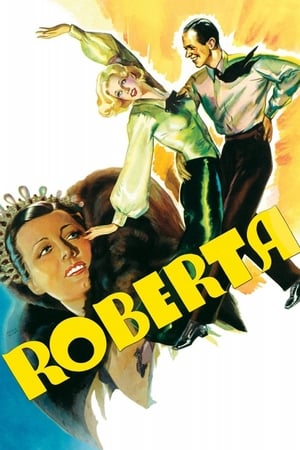
Football player John Kent tags along as Huck Haines and the Wabash Indianians travel to an engagement in Paris, only to lose it immediately. John and company visit his aunt, owner of a posh fashion house run by her assistant, Stephanie. There they meet the singer Scharwenka (alias Huck's old friend Lizzie), who gets the band a job. Meanwhile, Madame Roberta passes away and leaves the business to John and he goes into partnership with Stephanie.
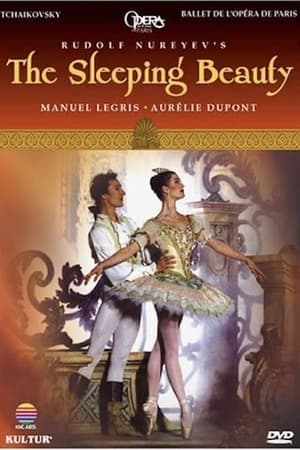
The Sleeping Beauty remains, as Rudolf Nureyev often called it, the 'ballet of ballets'. It is the most accomplished and the most brilliant, as well as one of the most spectacular of the 19th century, and the most representative of the 'noble' style of classical dancing. Performed by Opera National de Paris in 2000.