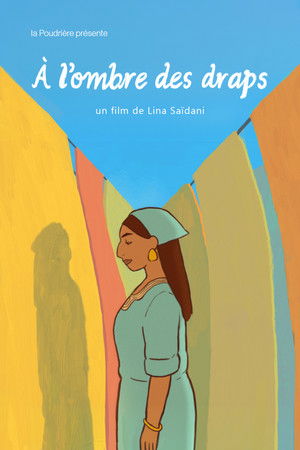
A l'ombre des draps
Ali, a thirty-something from the suburbs, still lives with his mother and his 8-year-old daughter. Lazy and without any particular ambition, he scrapes by doing odd jobs as a fast-food delivery driver. Following a delivery, he finds himself, by a twist of fate, propelled into space aboard the ISS space station. The conquest of space is about to write a surprising and unprecedented chapter in its history...
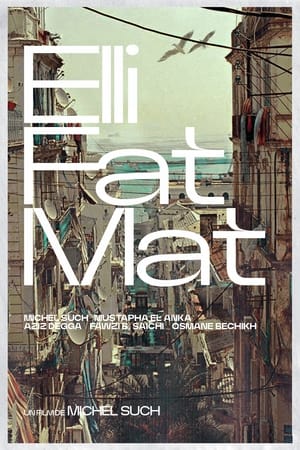
27 years after 1962, Antoine returns to Algiers...
An Algerian music composer and his friends live a thrilling story, full of twists and turns.
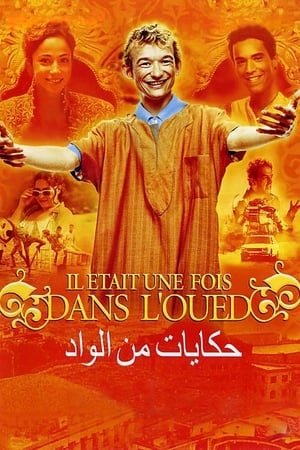
In 1988, Johnny Leclerc, the son of a Norman mother and an Alsatian father, lives in a suburban housing estate with his friends. He behaves like a Muslim, observes Ramadan and wears a djelaba. He's even convinced that his name is Abdelbachir and that he was born in a small village in the bled. When his friend Yacine gets into trouble with a local kaid and decides to return to Algeria for the vacations, he smuggles himself into the Sabri family's luggage to fulfill his dream and finally get to know his "roots". As soon as he arrived on the Algerian coast, Johnny felt right at home. But Yacine is opposed to his father, who wants to arrange his marriage.
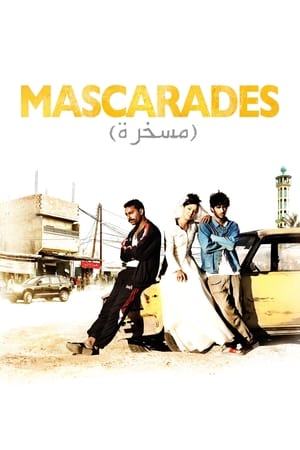
Mounir Mekbek lives with his family in a small village in the heart of the Algerian countryside. Very proud and sure of himself, he has only one dream- to finally be appreciated by his fellow villagers. Screwing up his carefully maintained image is his headstrong, narcoleptic sister Rym who falls asleep anywhere and whom the village is convinced will end up a spinster. One evening, Mounir returns from town drunk and announces that he's found a suitor for his sister. The fake story snowballs and snowballs until the suitor morphs into a rich, blonde Australian. The village begins preparing for the wedding in earnest - but without a bridegroom in sight.
In one of the tribes of the Algerian Sahara, everyone awaits the arrival of the hero who will defend the rights of the poor. A man decides one day to put the mark of the "hero" on his newborn son and the whole tribe celebrates the arrival of this eagerly awaited messiah who came to save them. This false hero then grows up by assuming his role of savior. Filled with cynicism, he crosses the countryside and has a number of adventures.
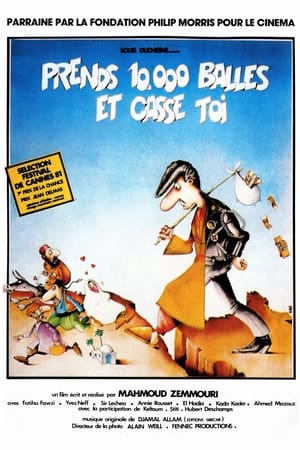
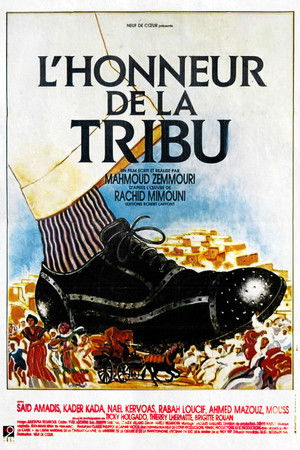
In 1980, Lionel Stoléru—France’s Secretary of State for Migrant Workers—introduced a "repatriation grant" of 10,000 francs (known as the "Stoléru million"), paid to immigrants who agreed to return permanently to their countries of origin. One Algerian family decided to leave France. Upon arriving in the small rural town of Boufarik, Algeria, in a brand-new Peugeot 404, they caused a scandal. Their liberated ways drew the villagers' ire, and the two children knew nothing about Algeria or local customs. The film was selected for the Cannes Film Festival in 1981, and in 1982, it won the Critics' Prize at the Chamrousse International Comedy Film Festival.
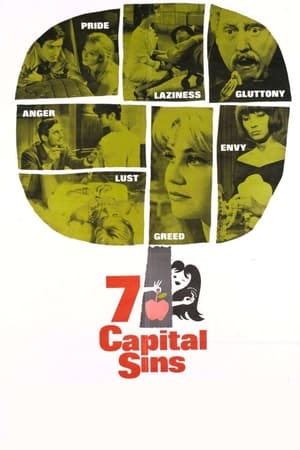
Seven directors each dramatize one of the seven deadly sins in a short film. In "Anger," a domestic argument over a fly in the Sunday soup escalates into nuclear war. In "Sloth," a movie star would rather pay someone to tie his shoe than bend over to do it himself, and he can't be bothered to accept a starlet's sexual favors. In "Gluttony," a peasant family on its way to the funeral of a relative who died from indigestion stops regularly to eat and drink en route, arriving in time to eat some more. In "Greed," a high-class prostitute refunds the price of a cadet's lottery ticket. In "Pride," an unfaithful wife finds reason to reform. And so on through lust and envy.
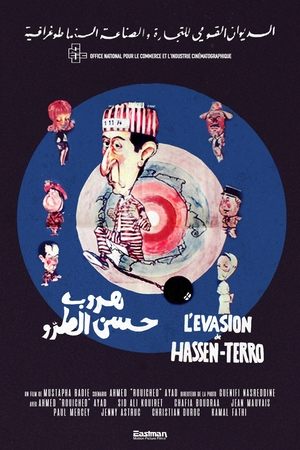
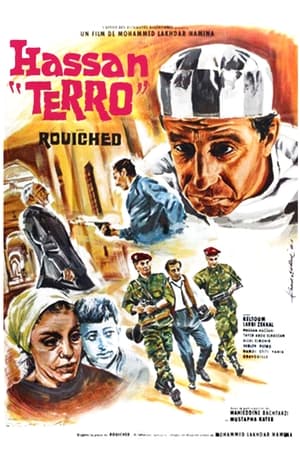
In 1957, the Battle of Algiers intensifies. Hassan, a peaceful resident of the Casbah, is mistakenly identified as a dangerous "terrorist leader," earning him the nickname "Hassan Terro." He is arrested, but the French occupation army secretly organizes his escape in the hope of tracking down the leaders of the resistance. In turn, the Algerian liberation army exploits Hassan's naivety to thwart the French military command and disperse its forces.
While he tries by all means to stay out of the bloody upheavals caused by the battle of Algiers, Hassan, an honest and naive father, unknowingly offers hospitality to a mujahid actively sought by the army. French. A series of events and misunderstandings quickly catapult him to the forefront, presenting him under the pseudonym “Hassan Terro”, a great fictitious terrorist who would have sworn the doom of the French army...
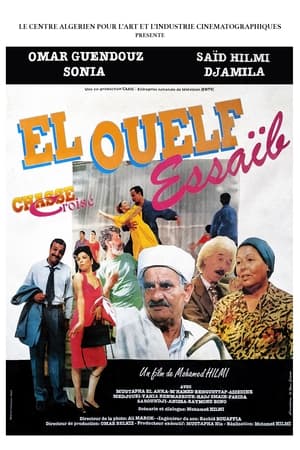
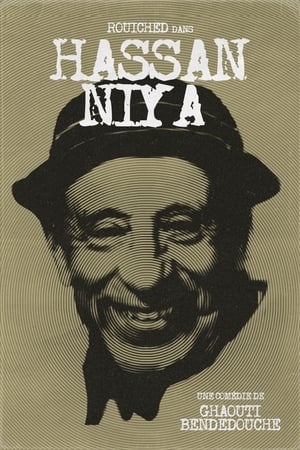
The story of Hassan, the handyman in the inn of his sister Aïcha, widowed and childless. A whole series of incidents, misunderstandings, will punctuate his daily routine in which we find him in turn driver, waiter, welder, etc. But, he refuses to submit to anything that does not conform to the idea he has of society and things...
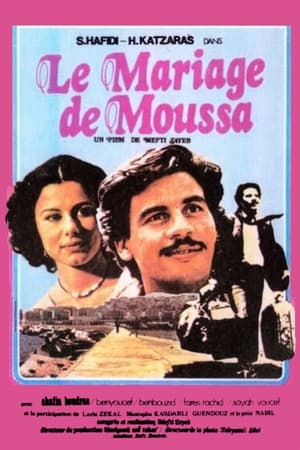
Moussa, a young Franco-Algerian, returns to Algeria, but adapting to life in his country of origin proves difficult. Just as he is about to leave for France, he is called up for military service, which suits him fine because he is secretly in love with the beautiful Nacira.
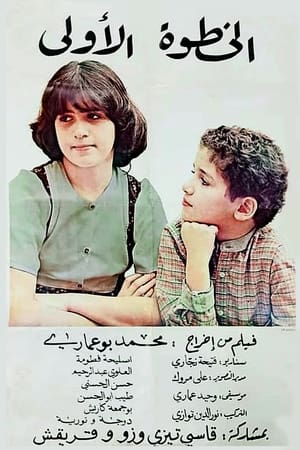
A modern couple seeks to find marital happiness in a context where Algerian society is taking the “first step” towards female emancipation. A woman becomes president of a popular municipal assembly. Will she find happiness ?
The story of Algerian women trying to live in 1970s Algeria where the society is between conservative values and progressive modern Algeria.
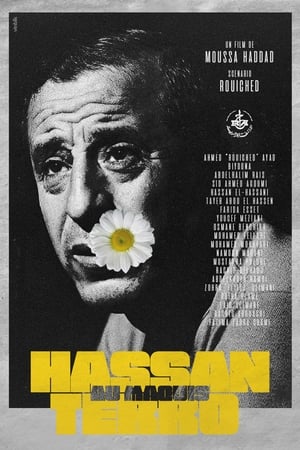
While trying by all means to stay out of the bloody turmoil caused by the Battle of Algiers, Hassan, an honest and naive family man, is wrongfully accused of terrorism by the French colonial army in "Hassan Terro." After escaping in "The Escape of Hassan Terro," Hassan is forced to join the resistance in "Hassan Terro in the Maquis."
Like every year in Zitouna, a bear handler passes by. With his creature, he comes to challenge the small community. And like every year, it is Slimane El Mabrouk who defends the honor of the tribe. But this time, he dies, leaving two orphans, Omar and Ourida. Robbed of their inheritance, the children will grow up alone. The years pass, the French army settles in, and with it, the war. Mysteriously, one day, after the murder of a French legionnaire, Omar disappears into the bush, while his sister dies in childbirth. Omar will return to the village, much later, once independence has been acquired, as a representative of power and with this enigmatic formula: "You must know that the Revolution has not forgotten you". Personal revenge? Sincere desire to bring progress and modernity? ... The inhabitants of Zitouna, upset in their ancestral way of life, will not be long in having an answer to their questions.
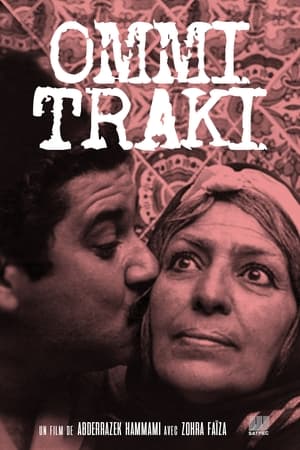
Ommi Traki is an elderly woman who is active and involved in everything, organizing everything in her family and neighborhood. Surrounding her are her husband Salah, who contentedly observes the results of his wife's interventions with a mocking air; her spoiled son Ali, a young man she still considers a child; the maid Zouzou; and others. The film is inspired by the famous Tunisian television series of the same name from the 1970s.
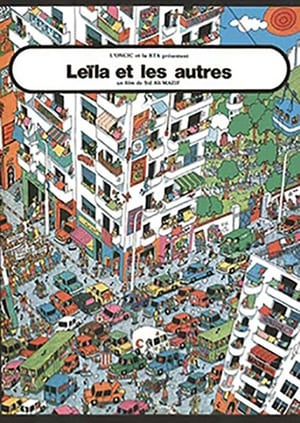
The film dialectically explores the phenomena of family alliances in urban and rural areas, technocracy, and the Algerian landed bourgeoisie. The film was completed but apparently never distributed by the ONCIC.
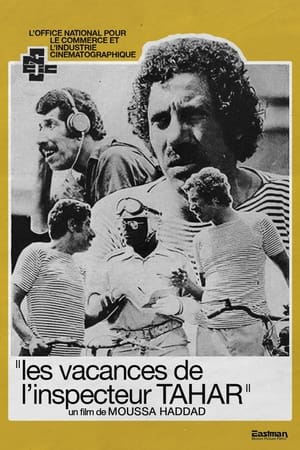
Inspector Tahar and his apprentice are invited by Mama Traki, a popular Tunisian heroine, to spend their vacation in Tunis. Before leaving Algiers, they stop at a tourist complex where a murder has just been committed. The investigation full of surprises and twists and turns will take them to Tunis where they will find Ommi Traki and his family...