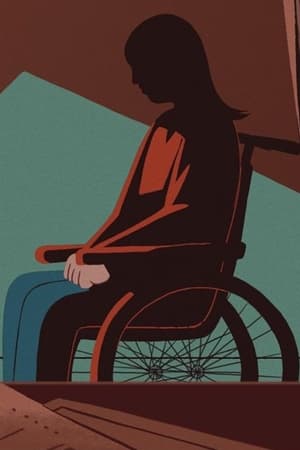
People with learning disabilities often experience worse physical and mental health. This film is a starting point to address these inequalities.
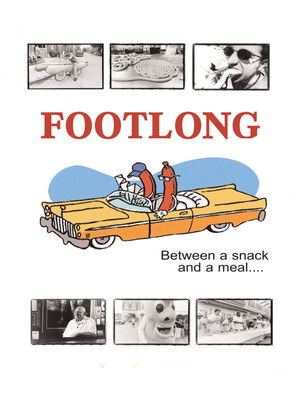
A documentary about the social impact of the hot dog on American Culture. Follow the crew as they travel across the country to explore the many facets of hot dog culture. 'To understand a bike, you look at the wheels. To understand a wall, you look at each brick. And to understand America, you must look at the hot dog."
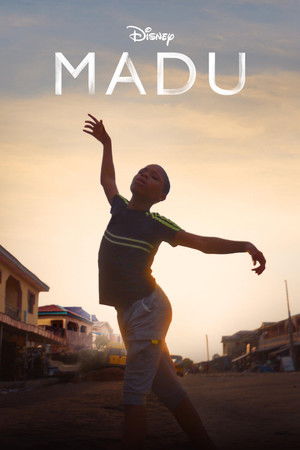
From practicing barefoot on the streets of Lagos to performing on stage in England, twelve year old Anthony Madu leaves his home in Nigeria to study at one of the most prestigious ballet schools in the world. Anthony, who had barely left his neighborhood in Lagos, finds himself thrust into a new world where his wildest dream is suddenly within reach. His journey is a story of extraordinary obstacles, courage, growth, and ultimately, his search for belonging.
21-year-old Keith Blauschild, formally trained in the culinary arts, is also a self-taught ice carver. Together with his fiancee Angela Boone, Keith sculpts intricate but impermanent artworks for catered affairs, hotels, cruise ships and for advertising promotions. In this short documentary profile, Keith is filmed as he fashions a prototype (a sword-bearing warrior fighting a dragon) for an upcoming ice carving competition. At the contest site, the young man joins scores of other chainsaw-wielding sculptors busily freeing their creations from blocks of ice. Although Keith does not win a prize, his devotion to ice-carving remains intact. Moving from his home in New Jersey to a new life in Florida, Keith is featured as the "Person of the Week" on a Florida news broadcast
Heleno has a disease unknown to most of the population. In the course of their suffocating routine, situations arise that defy the usual in society. But is it really Heleno's illness that prevents him from adapting to the world?
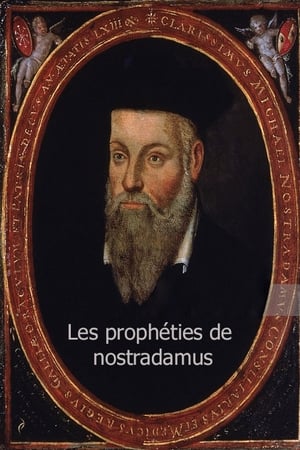
Debunking the mythology surrounding the 16th century French prophet, Nostradamus.
A genre-bending documentary using dance and physicality to explore themes of youthfulness, fear, regret and aging. The star of the show is New York. The perspectives of elderly citizens of NYC are interpreted physically by a younger generation. The words come from real-life interviews recorded with a diverse selection of aging New Yorkers.
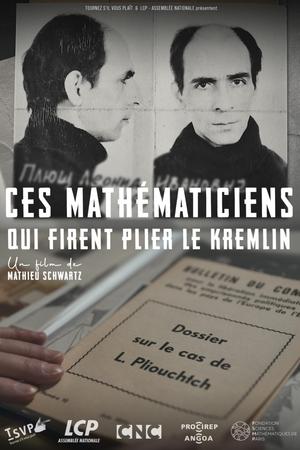
On January 15, 1972, Leonid Pliouchtch, a Ukrainian mathematician who was unknown at the time, was locked up in a Soviet psychiatric institution and accused of dissidence. His wife, Tatiana, fought for his defense and contacted a committee of French mathematicians to help him. Led by Laurent Schwartz, they launched a three-year campaign to secure his release and succeeded in getting the USSR to back down on the issue.
Neculai, Aurel and Raj all left their homes in Romania for the same reason - to seek a better life for their family. Now, in Britain, with their loved ones depending on them, they survive by creating sand sculptures on London’s streets.
Expeditions in the Western Canadian Arctic
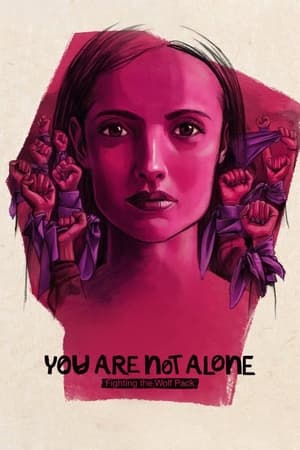
Through key testimonies, this documentary looks at a gang rape that took place during the 2016 San Fermín festival and sparked protests worldwide.
This is Part 2 of the My travels short documentary films by Jana Angelova. Exploring the history, architecture and interesting facts about the city of London.
A documentary on a conversation between one drug-induced individual with another sober partner.
The story of the South Shore Resource and Advocacy Center, five survivors of domestic violence, and their experience in the Massachusetts justice system.
Documentary about Raúl Ruiz Pérez (Badalona, 1947 - Barcelona, 1987) a writer and cultural journalist
Across America, UPS workers come together to demand better working conditions as they go about criss-crossing the world, delivering packages and connecting lives.
A journey through six different countries and characters into a world where chemistry is the ultimate response to human pursuits of well-being.
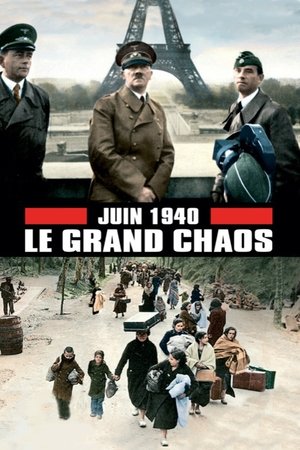
From May 10, 1940, France is living one of the worst tragedies of it history. In a few weeks, the country folds, and then collapsed in facing the attack of the Nazi Germany. On June 1940, each day is a tragedy. For the first time, thanks to historic revelations, and to numerous never seen before images and documents and reenacted situations of the time, this film recounts the incredible stories of those men and women trapped in the torment of this great chaos.
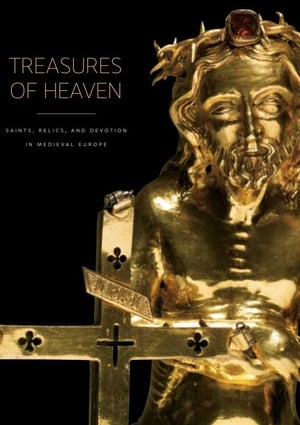
Andrew Graham-Dixon explores the ancient Christian practice of preserving holy relics and the largely forgotten art form that went with it, the reliquary. Fragments of bone or fabric placed inside a bejewelled shrine, a sculpted golden head or even a life-sized silver hand were, and still are, objects of religious devotion believed to have the power to work miracles. The documentary features interviews with art historian Sister Wendy Beckett and Neil MacGregor, director of the British Museum.
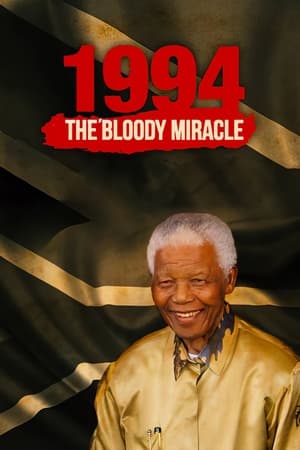
As South Africa celebrates its 20th anniversary of the advent of democracy in 1994, it is difficult to believe the ‘Mandela miracle’ nearly didn’t happen. In an orgy of countrywide violence, some were intent on derailing the first free elections. Now, for the first time, those responsible for countless deaths and widespread mayhem explain how they nearly brought South Africa to its knees. 1994: The Bloody Miracle is a chilling look at what these hard men did to thwart democracy, and at how they have now made an uneasy peace with the ‘Rainbow Nation’ in their own different ways.