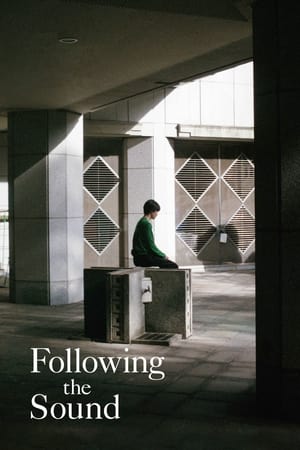
"After a freak accident leaves him deaf, a young man enters therapy, only to discover that losing his hearing has granted him a deeper understanding of his fractured family and inner turmoil. ግብረ ጉንዳን/Gbre gundan is a psychological drama that blurs the line between perception and reality, questioning whether true healing comes from what we hear or what we choose to ignore."
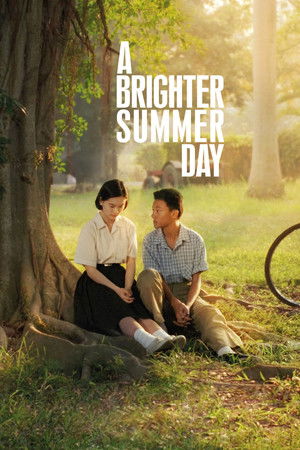
A boy experiences first love, friendships and injustices growing up in 1960s Taiwan.
Shell-shocked Barbara must face up to the loss of a dear companion after a tragic accident. Her best friend Klara and husband Torsten devise a plan to thaw Barbara's heart, after she reminisces about the incident, the funeral, and happier times. Will she agree to the suggestions of her nearest and dearest? Can grief turn into hope?
Summoned by his dying father, Miyagi returns to his homeland of Okinawa, with Daniel, after a 40-year exile. There he must confront Yukie, the love of his youth, and Sato, his former best friend turned vengeful rival. Sato is bent on a fight to the death, even if it means the destruction of their village. Daniel finds his own love in Yukia's niece, Kumiko, and his own enemy in Sato's nephew, the vicious Chozen. Now, far away from the tournaments, cheering crowds and safety of home, Daniel will face his greatest challenge ever when the cost of honor is life itself.
A lighthearted take on director Yasujiro Ozu’s perennial theme of the challenges of intergenerational relationships, Good Morning tells the story of two young boys who stop speaking in protest after their parents refuse to buy a television set. Ozu weaves a wealth of subtle gags through a family portrait as rich as those of his dramatic films, mocking the foibles of the adult world through the eyes of his child protagonists. Shot in stunning color and set in a suburb of Tokyo where housewives gossip about the neighbors’ new washing machine and unemployed husbands look for work as door-to-door salesmen, this charming comedy refashions Ozu’s own silent classic I Was Born, But . . . to gently satirize consumerism in postwar Japan.
Three emotionally damaged adults, drawn together by their life-threatening sensitivity to digital devices, retreat to an isolated cabin to start over without screens. But escaping modern technology proves more difficult than expected.
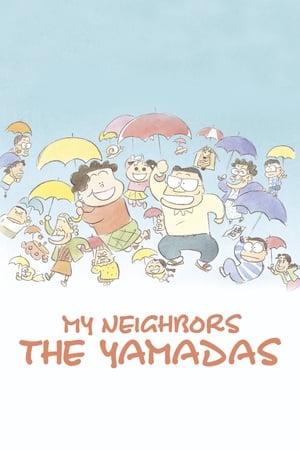
The Yamadas are a typical middle class Japanese family in urban Tokyo and this film shows us a variety of episodes of their lives. With tales that range from the humorous to the heartbreaking, we see this family cope with life's little conflicts, problems, and joys in their own way.
An aging foundry patriarch, gripped by terror of nuclear annihilation, tries to uproot his family to Brazil. When they petition to have him declared incompetent, a family-court counselor witnesses his obsession slide into ruin—and asks whether ignoring the atomic threat is any saner.
Masa hires rental actress and aspiring dancer, Kanako, to pose as his fiancée to impress his estranged, terminally-ill father. But as his father's death delays, Masa is forced to confront the spiraling web of lies and to learn to follow his heart.
After the closure of a coal mine leaves her husband unemployed, Fumiko travels from Kyushu to Kyoto with her daughter Kimiko, and they become hostesses at a cabaret.
Tokyo engineer Kariya arrives on a primitive tropical island, where he interacts with the Futori clan, to drill a well to power a sugar mill.
Toru grew up in alpine countryside around Mount Tate. As a child, he resented the yearly trek up the mountain with his father to prepare their mountain hut for the summer season of climbers. When Toru grows up, he leaves his hometown and enters the working world as a stock trader. One day, Toru receives word that his father has passed away. He returns to Mount Tate once again, and becomes conscious of a new calling. But, does Toru have what it takes to follow in his father’s footsteps?
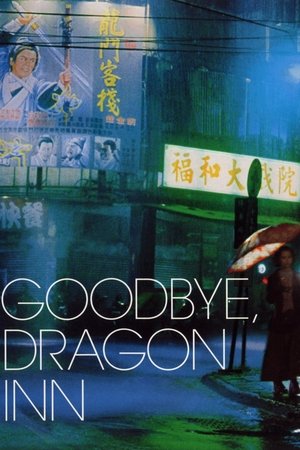
On a dark, wet night in Taipei City, a cavernous old picture palace is about to close its doors forever. A meager audience, the remaining few staff, and perhaps even a ghost or two, watch King Hu’s wuxia classic "Dragon Inn", each haunted by memories and desires evoked by cinema itself.
On the surface, the Kyobashis appear to be a happy family. Despite a family agreement that they are all open with each other, the entire household knows the opposite is true.
A lonely young widow lives with her son following an immutable order: while the boy is in school, she cares for their apartment, does chores, and receives clients in the afternoon.
A middle-aged husband of a younger woman finds her youth intimidating to the point that he cannot become aroused. His solution involves the introduction of his daughter's lover to his wife.
In a small Japanese village at the end of the 19th century, a rickshaw driver's wife takes on a much younger lover and the two conspire to murder him.
A Japanese family is torn apart by the tensions of an avoidable nuclear world war between the superpowers.
A group of young people grapple with identity, guilt and mourning after learning of a close friend's death.
Shortly after moving to the suburbs, the Kobayashis start to come undone. Convinced a family curse is at the root of their erratic behavior, the man of the house takes it upon himself to course-correct before it takes the last of their sanity.