Juxtaposing scenes from the 1967 Royal Commission on the Status of Women with the 2nd Pan-Canadian Young Feminist Gathering in 2011 in Winnipeg, organized by the rebELLEs movement, the film explores the progress made on concerns raised 45 years ago: universal childcare, violence against women, and abortion access.
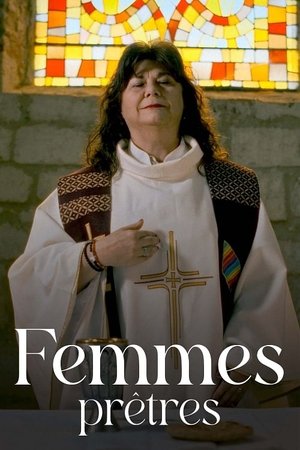
This film follows a group of free-spirited, courageous, and inspired women who feel a deep calling to serve as Catholic priests. Despite their unwavering faith and dedication, they face a rigid barrier: the Church's refusal to recognize their vocation. Determined to understand why, these women embark on a bold investigation into the heart of the Vatican, one of the last strongholds of institutionalized misogyny, challenging centuries of tradition to uncover the reasons behind this powerful and injust prohibition.
Summer of revolution
We Iranian Women
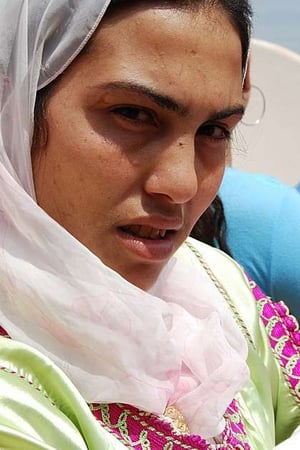
A film about a woman who doesn’t exist. Moroccan Hind was raped and consequently denied an official identity – she has no other choice but to work as a prostitute and traditional wedding dancer, but despite the odds of her situation, refuses to give up her dream of dignity, motherhood and love. This is a story of modern day outlaws, children of prostitutes, abandoned child brides and those who have had to escape to the fringes of patriarchal Moroccan society. Through the eyes of one young woman we see a life of constant struggle, but also a life free of the society’s norms and boundaries. The woman in the centre of the film, Hind, is both vulnerable and courageous as she tries to regain her life, her children and her mere right to live as an equal human being in the 21st century.
Award-winning French writer Christine Angot goes on a business trip to Strasbourg where her father lived before dying several years ago. It is the city where she met him for the first time at the age of 13, and where he sexually abused her over the following years. His wife and children still live there. Angot takes a camera and knocks on the doors of her family to push them to clarify their attitudes to her father’s crime that stretched over so many years. A cinematographic journey that challenges social norms and family perspectives in dealing with incest.
The words of the women and the rhythm of their lives in the seclusion of family compounds suggests both the satisfying and the limiting aspects of a woman's role in a rural Afghan community. Filmed in the Balkh Province, an area inhabited by Tajik and other Central Asian peoples. The town of Aq Kupruk is approximately 320 miles northwest of Kabul. The theme of the film focuses on women. The film and accompanying instructor notes examine the economic, political, religious, and educational status of women, their legal and customary rights, and the degree of change in their actual and perceived roles.
Gloria Allred overcame trauma and personal setbacks to become one of the nation’s most famous women’s rights attorneys. Now the feminist firebrand takes on two of the biggest adversaries of her career, Bill Cosby and Donald Trump, as sexual violence allegations grip the nation and keep her in the spotlight.
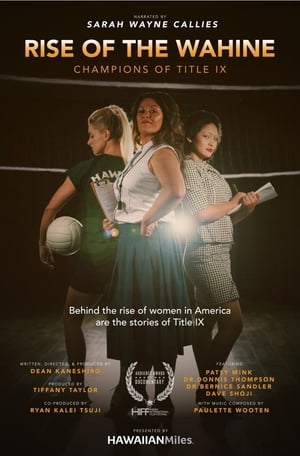
In the years following the Civil Rights movement and the passage of Title IX in 1972, Dr. Donnis Thompson (a headstrong African-American female coach), Patsy Mink (the first Asian-American U.S. congresswoman), and Beth McLachlin (the team captain of a rag-tag female volleyball team), battled discrimination from the halls of Washington D.C. to the dusty volleyball courts of the University of Hawaii, fighting for the rights of young women to play sports.
An exploration of the early public debate surrounding birth control, the media's involvement, and the unstoppable Margaret Sanger, in a style mimicking the films of the period.
Les enfants de Pétain
Motherhood: a subject so deeply ingrained in our society, we take it for granted as part of the natural order. It's assumed all women want children, that motherhood is not only a biological imperative but the defining measure of womanhood. Titled after one of the myths it challenges, this film draws upon a heady mix of culture, science, and history–revealing the rich and diverse lives of people who said no to children, and the forces that have marginalized them in society.
Panamanian women tell their struggle to overcome inequality and discrimination in the political and public sphere and for the right to universal suffrage which they obtained in 1946.
An insightful sit down chat with five of Malta's influential female trailblazers, some of whom are artists, all of whom are paving the way for change.
The inspirational story of teenage singing sensation Mutlu Kaya as she makes a remarkable journey from gunshot victim to fearless survivor. As she battles to heal her haunting voice, she campaigns for women's right in Turkey and beyond. Mutlu means 'happy' in Turkish.
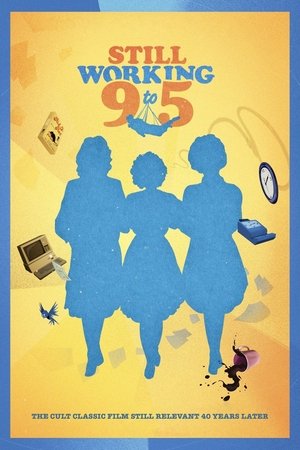
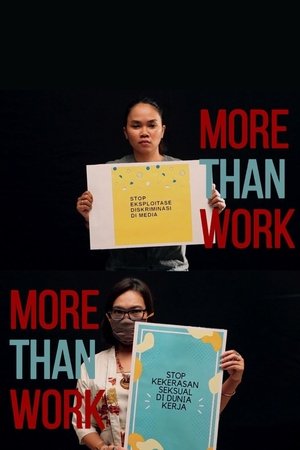
Examines the 40-year evolution of gender inequality and discrimination in the workplace since the 1980 release of the comedy film “9 to 5” starring Jane Fonda, Lily Tomlin, Dolly Parton, and Dabney Coleman.
Nepalese women are telling their stories arranged marriages. In the jungle of western Nepal lives Fofo, who is married off at the age of 10 to a man of 20. When Thuli becomes a widow after 10 childbirths she is mocked at by both neighbours and relatives. Savitri did not even know the name of the groom she was marrying and she was not even allowed to see him during the wedding ceremony. Nepalese law does not allow child marriage but the law does not reach girls who have never been to school and are living in areas with no roads. This film shows some of the reasons behind the 40 % guerrilla women in the Nepalese Maoist army.
After 20 years of living in Berlin, the director Olga Delane goes back to her roots in a small Siberian village, where she is confronted with traditional views of relationships, life and love. The man is the master in the home; the woman’s task is to beget children and take care of the household (and everything else, too). Siberian Love provides unrivaled insights into the (love) life of a Siberian village and seeks the truth around the universal value of traditional relationships.
Breaking a centuries-old taboo, Ava stands as the first woman in Iran to master the male-dominated craft of carpentry. Within the grit and clamor of the workshop, she confronts a society that deems her presence forbidden. This observational documentary captures her daily battle against physical hardships and social judgment.
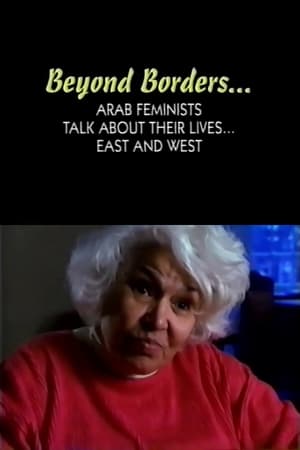
In the Arab world, women are fighting a two-front war against repressive internal constraints and intrusive Western interference. In this program, a feminist delegation composed of author Nawal Saadawi and other renowned activists from the Middle East and North Africa gathers at the UN, on college campuses, and in church basements to speak out about deterioration of women's rights in the Arab states in an effort to heighten awareness of the Arab feminist struggle for equality--and the effects of U.S. foreign policy on their efforts.