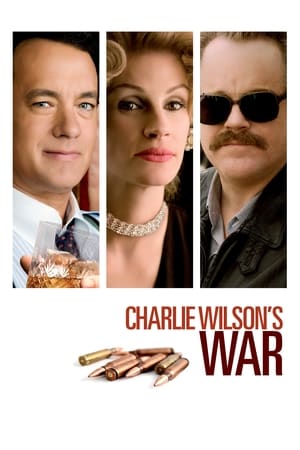
A Texas congressman sets a series of events in motion when he conspires with a CIA operative to aid Afghan mujahideen rebels fighting the Soviets.
Tensions between the USSR and the United States were high in 1959, with the seemingly constant threat of nuclear war. Then some unlikely ambassadors stepped forward to clear all that away: the Harlem Globetrotters. From Harlem With Love is the story of how a group of barnstorming basketball players traveled to the heart of the Soviet Union at the height of the Cold War and bridged a cultural gap many thought would stand forever.
2019 marks the 30th year since the fall of the Berlin Wall and the end of the Cold War. Rich Hall examines the relationship between the West and the USSR in his inimitable fashion.
Contrasting radical mobs, anarchy, and 1960s counterculture with footage of American manufacturing and innovation, this film celebrates the concept of American exceptionalism and argues that anti-Vietnam War protesters were influenced by communism, atheism, and immorality. Set mostly in a university library, this political debate between a medical student, his 1770s ancestor, and a history professor is a sequel to the 1972 National Education Program film, Brink of Disaster! Two additional characters appear in this drama: a 19th-century steamboat captain, and the student’s grandfather - an early 20th-century automobile worker. The National Education Program at Harding College in Searcy, Arkansas created a variety of widely-distributed anti-communism films from the mid-1940s to the early 1970s.
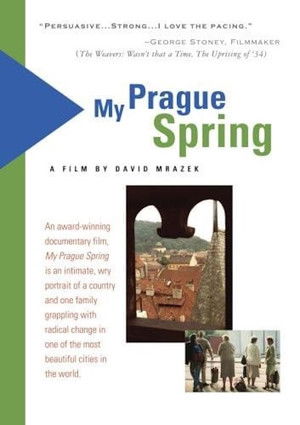
In its "velvet revolution" of 1989, the people of Czechoslovakia toppled its communist dictatorship and embraced democracy and capitalism. By January 1993, the country had peacefully split in two. In the early 1990s, thousands of American college graduates began flocking to Prague, where they could postpone entering the "real world," and live cheaply in a beautiful undiscovered European city. Throughout that decade more and more tourists crossed the statue-lined Charles Bridge in search of old world beauty previously hidden by communist isolation. But what of the people who cross the Charles Bridge on their way to work every morning? Who are the Czechs? What is their history? What is their future? My Prague Spring is an award-winning film that vividly humanizes a resilient people who have survived a tumultuous history. In the spring of 1990, a Czech-American filmmaker spent four months living with his Czech relatives, and opened an intimate window into an uncertain world.
With the Doomsday Clock the closest it's ever been to midnight, Jane Corbin investigates the proliferation of nuclear weapons across the globe. She visits Los Alamos, home to the United States’ nuclear weapons development facility and the historic home of Oppenheimer’s Manhattan Project. In Scotland, she reveals the strategy behind Britain’s nuclear deterrent, and speaks to campaigners in Suffolk fighting against US weapons they fear will be based on UK soil. Jane also discovers how many of the global agreements and safeguards that have constrained the spread of nuclear weapons since the 1970s are breaking down. This is a story told by the scientists, investigators and diplomats who set the clock and have fought to ensure that the ultimate deterrent has not been used in over 70 years.
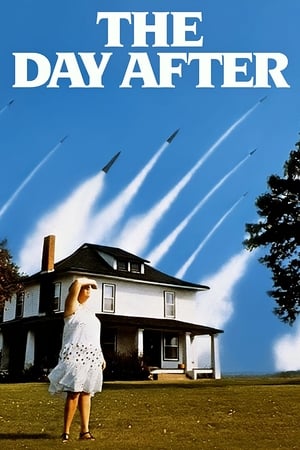
In the mid-1980s, the U.S. is poised on the brink of nuclear war. This shadow looms over the residents of a small town in Kansas as they continue their daily lives. Dr. Russell Oakes maintains his busy schedule at the hospital, Denise Dahlberg prepares for her upcoming wedding, and Stephen Klein is deep in his graduate studies. When the unthinkable happens and the bombs come down, the town's residents are thrust into the horrors of nuclear winter.
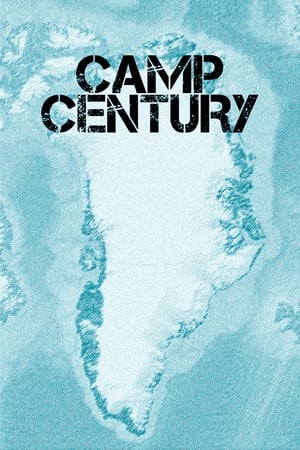
How in 1959, during the heat of the Cold War, the government of the United States decided to create a secret military base located in the far north of Greenland: Camp Century, almost a real town with roads and houses, a nuclear plant to provide power and silos to house missiles aimed at the Soviet Union.
Gorbachev believed that it was impossible to achieve a successful economy until the tensions of the Soviet Union continued with the Western countries, and especially the US, so that their high priority was to tame down, establish relations and negotiate with the Americans.
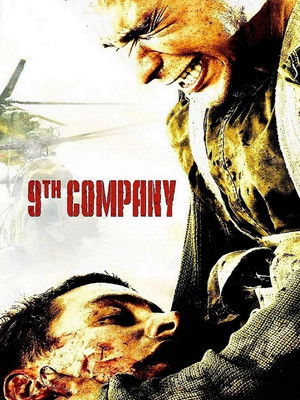
Russian army recruits complete training and take their posting in late 1980s Afghanistan, where the insurgents are slowly gaining the upper hand.
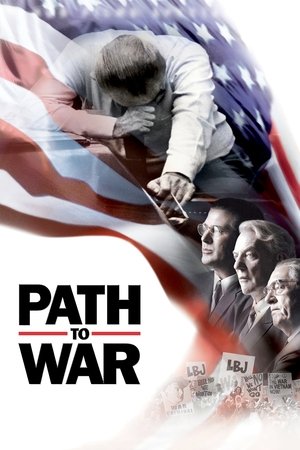
A powerful drama of soaring ambition and shattered dreams that takes a provocative insider's look at the way the USA goes to war—as seen from inside the LBJ White House leading up to and during the Vietnam War.
This short shows how the city of Reading, Pennsylvania would implement civil defense procedures to help residents survive a nuclear attack. Through a network of volunteers, makeshift hospitals would be set up, auxiliary police officers would maintain order, and other elements of the civil defense program would be put in place.
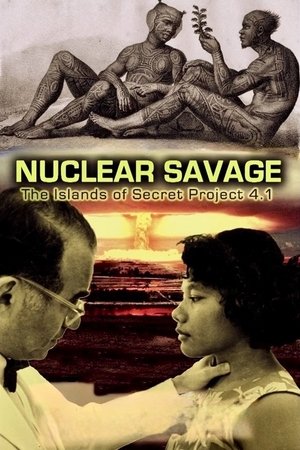
A shocking political exposé, and an intimate ethnographic portrait of Pacific Islanders struggling for survival, dignity, and justice after decades of top-secret human radiation experiments conducted on them by the U.S. government.
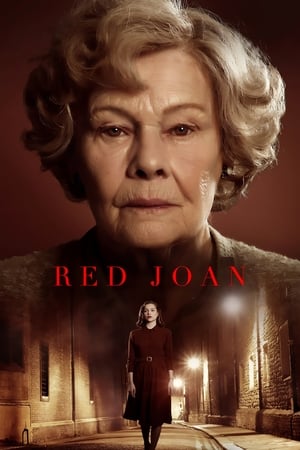
London, England, May 2000. The peaceful life of elderly Joan Stanley is suddenly disrupted when she is arrested by the British Intelligence Service and accused of providing information to communist Russia during the forties.
Russen und Deutsche - Sieben historische Wendepunkte
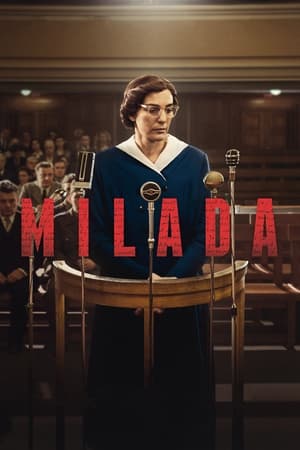
Pre-WWII Czech democratic politician Milada Horáková was one of the first victims of the communist regime in Czechoslovakia. Opposing the 1948 coup but not leaving the country, she was arrested and tried for treason on fabricated charges in a show trial broadcast on the radio.
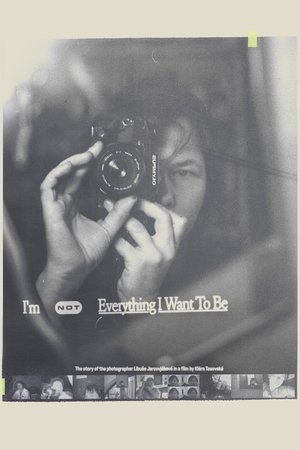
After the Soviet invasion of Czechoslovakia in 1968, Libuše Jarcovjáková, a young female photographer, strives to break free from the constraints of Czechoslovak normalization and embarks on a wild journey towards freedom, capturing her experiences on thousands of subjective photographs.
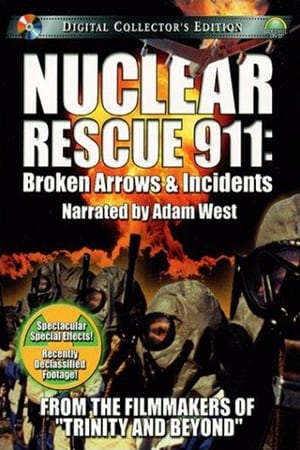
Since 1950, there have been 32 nuclear weapon accidents, known as "Broken Arrows." A Broken Arrow is defined as an unexpected event involving nuclear weapons that result in the accidental launching, firing, detonating, theft or loss of the weapon. To date, six nuclear weapons have been lost and never recovered.Now, recently declassified documents reveal the history and secrecy surrounding the events known as "Broken Arrows". There have been 32 nuclear weapon accidents since 1950. Six of these nuclear weapons have been lost and never recovered. What does this say about our defense system? What does this mean to our threatened environment? What do we do to rectify these monumental "mistakes"? Using spectacular special effects, newly uncovered and recently declassified footage, filmmaker Peter Kuran explores the accidents, incidents and exercises in the secret world of nuclear weapons.
THE AMERICAN EXPERIENCE presents Nixon’s China Game, the story of an operation so secret that it managed to elude the international press, the members of Nixon’s cabinet, and even the US State Department. The documentary features never-before-seen footage of Kissinger’s secret mission to China, newly released transcripts of the negotiations, private diaries, Nixon’s own handwritten notes, and interviews with American and Chinese officials -- including those who were in on the covert plan, and those who were kept in the dark.
A different history of the Cold War: how Estonians under Soviet tyranny began to feel the breeze of freedom when a group of anonymous dreamers successfully used improbable methods to capture the Finnish television signal, a window into Western popular culture, brave but harmless warriors who helped change the fate of an entire nation.