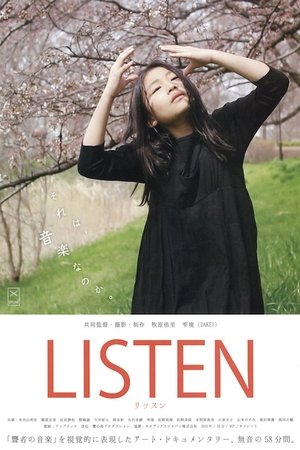
Documentary without audio produced by deaf people. Music is depicted visually with the complete absence of musical instruments or voices. Directed by Makihara Eri and choreographer Dakei. With a diverse lineup including ordinary deaf people with zero acting experience and a choreographer who performs in Japan and abroad, this film pulls out all the tops to give visual expression to music through the physical body. An aging man uses multiple sign language poems to convey the four seasons, and a girl expresses the wind amidst the rustling trees.
L’éloquence des sourds
Through intimate stories and day-to-day routines we get a naturalistic glimpse into the lives of individuals with disabilities in the bustling urban landscape of São Paulo. The film captures personal moments and how modern societies confront (or fail to confront) ableism and inclusion.
Amber Galloway, a trailblazer in ASL interpretation, takes us on a journey into the deep bond between the Deaf world and music. We follow her as she teaches struggling recruits who she hopes will have what it takes to join her at ACL music festival.
This film is a letter to my friend Vincent who died ten years ago. Vincent was Deaf. He introduced me to his language, his culture, his world. Through Vincent ‘s life, the film will examine the roots of the distress that plagues the Deaf, and also explore a rich and fascinating world, a people that struggles to preserve its Sign Language and Culture.
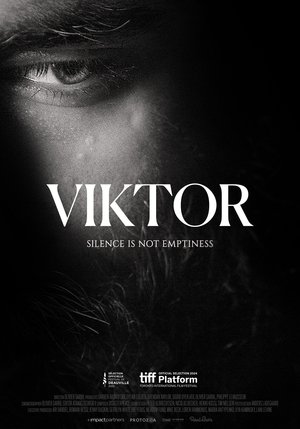
Viktor, who was born deaf, worships the figure of the samurai warrior. When bombs start falling on his countryside home in Kharkiv, his quasi-romantic obsession with war is put to the test.
Comme les autres
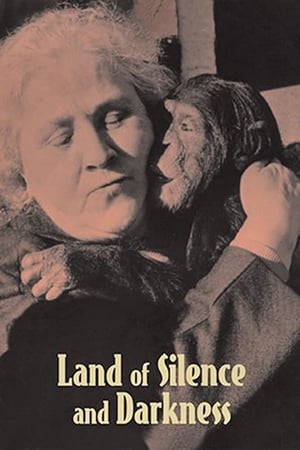
Through examining Fini Straubinger, an old woman who has been deaf and blind since her teens, and her work on behalf of other deaf-blind people, this film shows how the deaf-blind struggle to understand and accept a world from which they are almost wholly isolated.
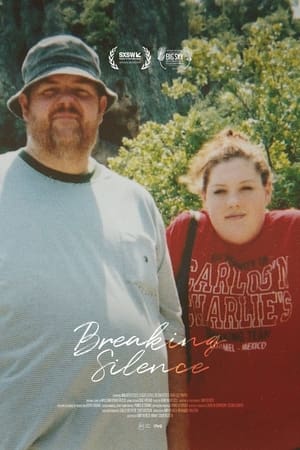
A portrait of a Deaf activist and his formerly incarcerated daughter who build new bonds through their experiences in the criminal justice system.
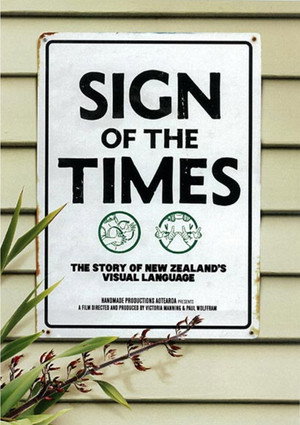
Sign of the Times is the first feature length documentary about New Zealand's Deaf community, their language and culture. It is an inspiring, emotional, and very moving story told straight from the very heart of the Deaf community. I n April 2006 New Zealand Parliament declared New Zealand Sign Language (NZSL) to be an official language - the culmination of a 20-year battle by the deaf community, and a true hallmark in the recognition of their native language. Sign of the Times is about the Deaf New Zealanders who fought to have their language recognised as a real language and as a viable means of communication The film documents the community's celebration of the official recognition of their language and looks at the community's ongoing hopes and aspirations for their language and culture. This is your invitation to take a journey into the Deaf world.
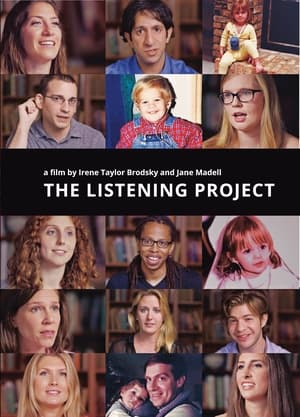
The profound impact of technology on the lives and identities of young deaf adults is explored in The Listening Project. Fourteen deaf people tell stories beginning with a childhood wide-eyed about sound, into the growing pains of adolescence and, eventually, their professional lives. Sometimes humorous, always tender, The Listening Project is a timely coming of age story, one we haven't heard before.
Martinez's second feature documentary assembles a theatre group of deaf actors in order to portray their lives and at the same time avoid any pedagogic representation of the non-hearing people. Coming from different environments and provinces, la troupe has to overcome various difficulties to put on stage their last play, hoping to attract an audience beyond the Argentine deaf community.
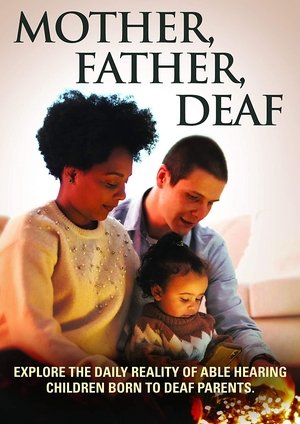
Children of Deaf Adults, known as CODA, are caught in the middle, between the deaf and the hearing, between isolation and community, and between childhood and adulthood. Through the stories of three CODAs, discover how the unique upbringing of hearing children born to deaf parents can be considered both a burden and an opportunity and how it shapes who they are and who they become. Also hear from the parents themselves about how their condition unwittingly puts an impossible weight of responsibility on their children, who are forced into adulthood from the moment they learn to talk. Mother, Father, Deaf offers a previously unseen portrayal of contemporary reality for deaf families. Their stories, while deeply personal, mirror the experiences of CODAs around the world.
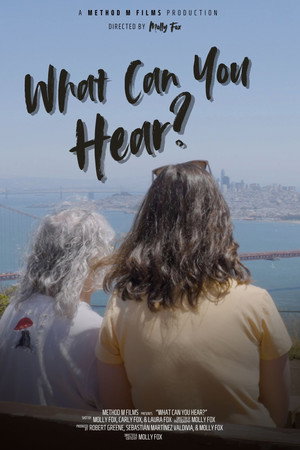
Grappling with a genetic hearing loss disorder, a young filmmaker seeks answers for how to cope with her inevitable deafness. To connect with her hearing-impaired family, she embarks on a road trip across the country with her grandma, mother, and sister in search of her great-grandmother’s memorial. Along the drive, the three generations explore their past, present, and future on the road to silence. Directed by Molly Fox Director Molly Fox won Best Director for the film at the Stronger Than Fiction Film Festival, and the film was nominated for Best Documentary at the Texas Short Film Festival.
A series of three short films exploring the intersection of opera and American Sign Language, starring some of today’s most acclaimed Deaf and signing performers. Created by Up Until Now Collective.
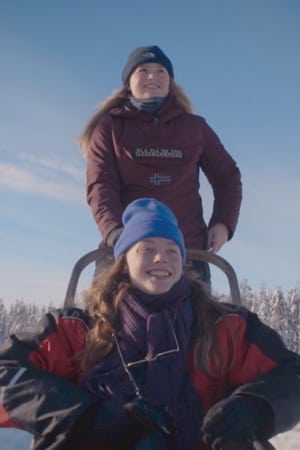
Lotte (18) and Roos (16) are sisters and both have Usher syndrome. That means they will soon become deaf and blind. It is not known how fast that will go, but they already see and hear a lot worse than their peers. How do these two high-spirited girls deal with their development into adulthood, while the time bomb of deafness and blindness ticks inexorably? They are not deterred from getting the most out of life: Lotte is studying to become a photographer and Roos is passing her final exams. At the same time, they also want to do a few things before it is too late, such as seeing the Northern Lights with their own eyes. Director Kim Smeekes followed Lotte and Roos for the film for two years.
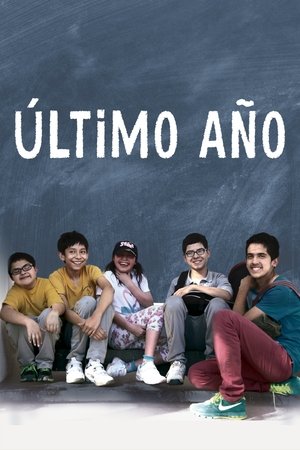
A group of deaf friends that attend a public school, where they have been classmates since the age of two, live their final year together. As the school year advances they get prepared to confront their biggest fear: attending a school of hearers.
Nathan Quinell is a fully trained chef… he also happens to be legally deaf and blind. That’s never stopped him from chasing his dreams to become a full-time cook, but now Nathan must prove himself to his peers, his students and potential employers.
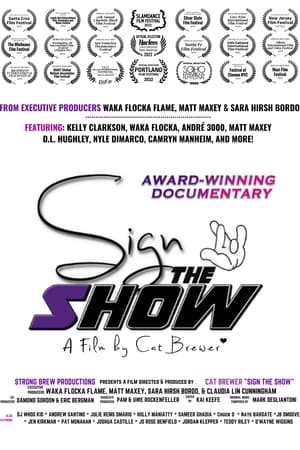
Sign The Show: Deaf Culture, Access and Entertainment is a feature-length documentary providing insight into Deaf culture and the quest for access to entertainment. It brings together entertainers, the Deaf and Hard of Hearing (HOH) community, and American Sign Language interpreters to discuss accessibility at live performances in a humorous, heartfelt, and insightful way.
Effective communication is a challenge every climber faces. It’s a sport that requires intense focus, dedication, and overcoming fear. For deaf climber, Sonya Wilson, communication and community is of vital importance. Elevated is a non-verbal film sharing Sonya’s experience as a deaf woman and outdoor advocate working to bridge the gap between the deaf community and the outdoor industry, one crag at a time.