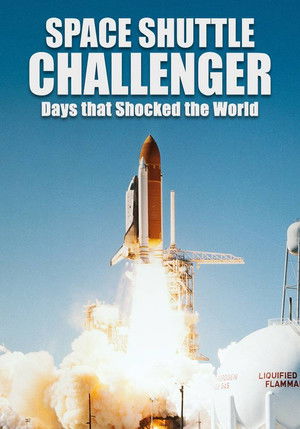
Tragedy struck when the Space Shuttle Challenger disintegrated just 73 seconds into flight. Hours earlier, engineers argued to cancel the launch, amid fears of such a tragedy – so why did it go ahead?
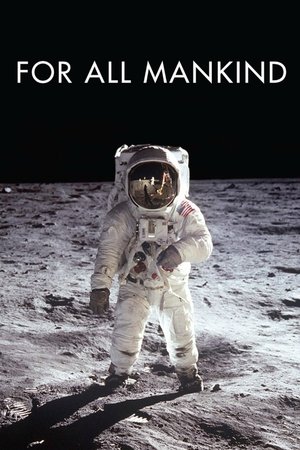
A testament to NASA's Apollo program of the 1960s and '70s. Composed of actual NASA footage of the missions and astronaut interviews, the documentary offers the viewpoint of the individuals who braved the remarkable journey to the moon and back.
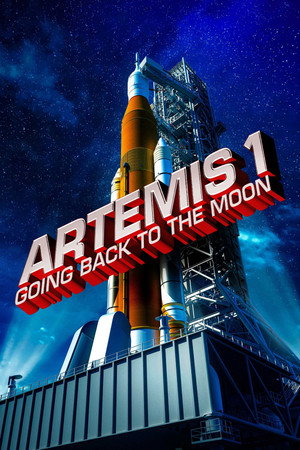
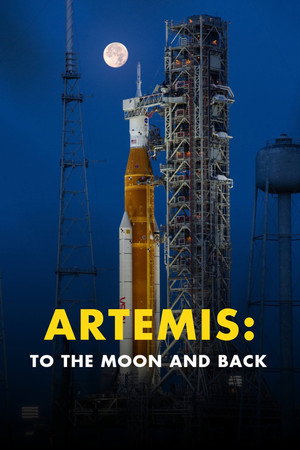
Follow the extraordinary inside story of NASA engineers as they race to build and launch Artemis I, the world's biggest rocket, as it prepares for missions that will transport humans to the moon, then launch an amazing journey to Mars and beyond.
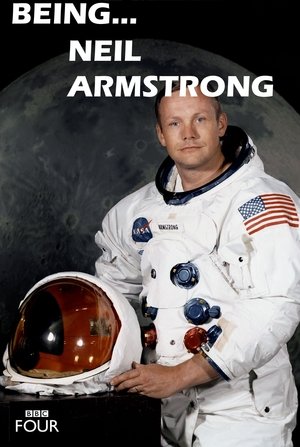
It has been said that 10,000 years from now only one name will still be remembered, that of Neil Armstrong. But in the four decades since he first set foot on the moon, Armstrong has become increasingly reclusive. Andrew Smith, author of the best-selling book Moondust, journeys across America to try and discover the real Neil Armstrong. He tracks down the people who knew Armstrong, from his closest childhood friend to fellow astronauts and Houston technicians, and even the barber who sold his hair, in a wry and sideways look at the reluctant hero of the greatest event of the 20th century.
NASA may have just gotten one step closer to the answering the question: are we alone? The Spitzer Telescope has made a groundbreaking discovery of exoplanets that could be similar to our own. And as Kepler also continues its search, our understanding of the universe continues to be redefined.
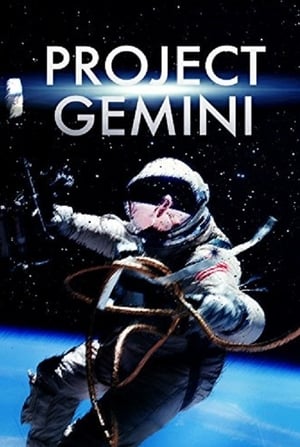
All of the necessary technologies required to reach the Moon was first tested during Project Gemini, which comprised of ten missions in the mid-1960s.
Produced by NASA contractor Rockwell International, this circa 1978 film was made shortly before the successful Apollo-Soyuz space mission. It is followed by a second film SPACESHIP EARTH showing on-going work on the new Space Shuttle. APOLLO-SOYUZ was created prior to the actual mission, and uses footage from prior Apollo missions and concept art. The film also shows the construction and assembly process for the Apollo side of the mission with Deke Slaton and crew shown. The docking module is shown at 1:52 and again at 2:43 when it was displayed at the 1973 Paris Air Show.
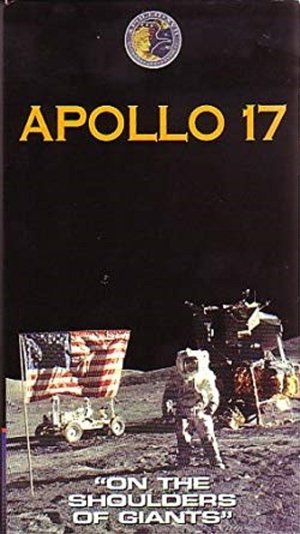
A documentary about the Apollo 17 mission to the Taurus-Littrow on the moon, the final lunar landing mission in the Apollo program, December 1972. Produced by A-V Corporation for NASA. The film was distributed both as an ephemeral film (shown to an audience via a 16mm film projector), and was also shown on TV (and was shown on both public and commercial stations per a search of vintage newspapers).
The inside story of the Artemis II mission - filmed over three and a half years at NASA. How did four astronauts travel to the moon, going deeper into space than ever before?
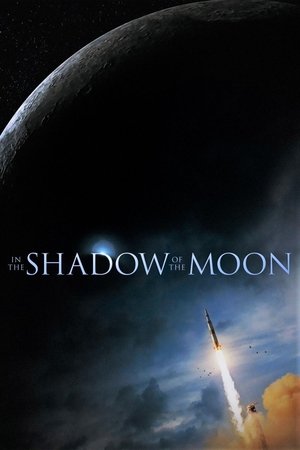
Archival material from the original NASA film footage – much of it seen for the first time – plus interviews with the surviving astronauts, including Jim Lovell, Dave Scott, John Young, Gene Cernan, Mike Collins, Buzz Aldrin, Alan Bean, Edgar Mitchell, Charlie Duke and Harrison Schmitt.
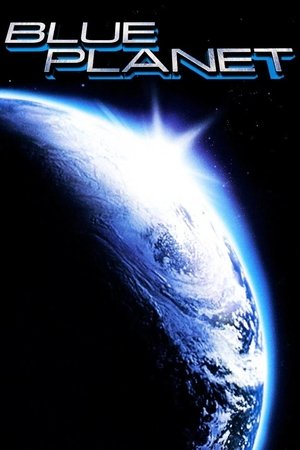
From the unique vantage point of 200 miles above Earth's surface, we see how natural forces - volcanoes, earthquakes and hurricanes - affect our world, and how a powerful new force - humankind - has begun to alter the face of the planet. From Amazon rain forests to Serengeti grasslands, Blue Planet inspires a new appreciation of life on Earth, our only home.
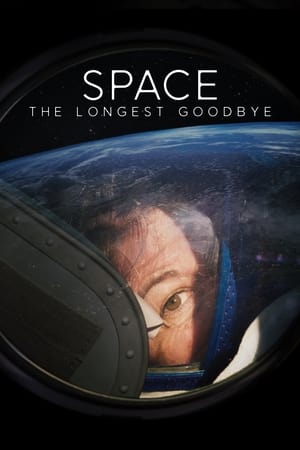
Social isolation affects millions of people, even Mars-bound astronauts. A savvy NASA psychologist is tasked with protecting these daring explorers.
Before the joint NASA/ESA Cassini-Huygens mission, humanity only knew what had been learned, decades earlier, with the previous limited, rapid "fly-by" Pioneer and Voyager missions. Cassini-Huygens spent more than 13 years in wildly varied orbits around Saturn, allowing the spacecraft to pass near many of its moons, as well as execute a soft-landing of its Huygens lander on the moon Titan. By mission end, it accumulated a mountain of imagery and scientific data that will continue to be studied for years to come. This film is a testament to the amazing efforts of the scientists who planned and executed the mission. It combines breathtaking images, movies, and a variety of animations to take the viewer into Saturn's complex system of rings and moons, as well as stepping viewers through some of the more exciting scientific discoveries made over the course of the elaborately complex mission.
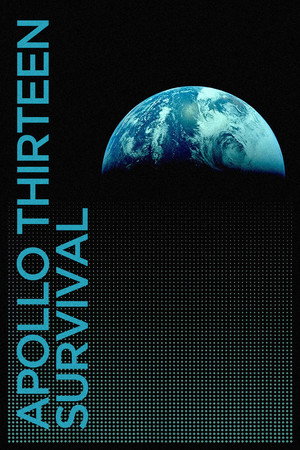
Using original footage and interviews, this documentary tells the nail-biting story of Apollo 13 and the struggle to bring its astronauts safely home.
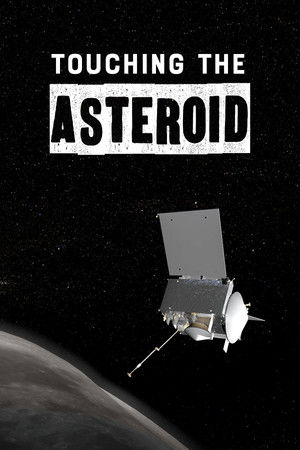
Spacecraft OSIRIS-REx attempts to grab a piece of an asteroid to bring back to Earth so scientists can study it to learn about the planet's origins.
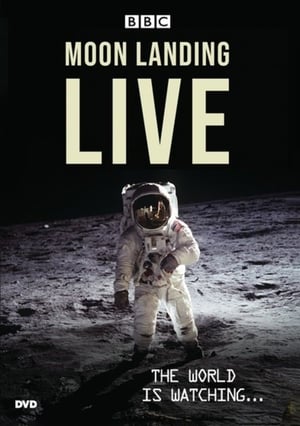
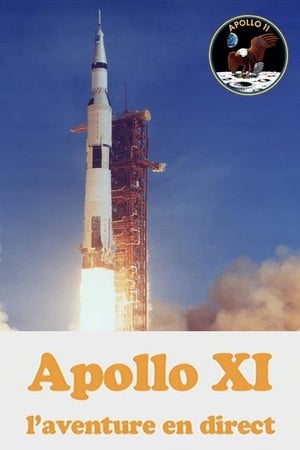
July 1969. America made history and sent the first humans to the moon. High-quality NASA footage and extensive news broadcasts bring this sensational moment in history bursting back into life. Live news footage from every corner of the globe recreates the excitement and elation that surrounded the event, as 600 million people tuned in to watch Neil Armstrong's remarkable first steps.
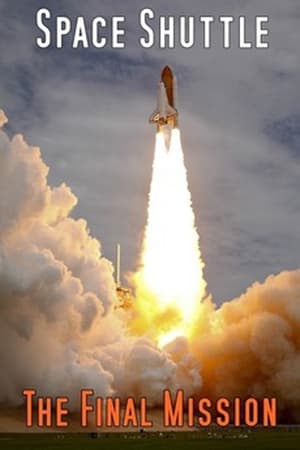
In the last month of the space shuttle programme, Kevin Fong is granted extraordinary access to the astronauts and ground crew as they prepare for their final mission. He is in mission control as the astronauts go through their final launch simulation, and he flies with the last shuttle commander as he undertakes his last practice landing flight. Kevin also gains privileged access to the shuttle itself, visiting the launchpad in the company of the astronaut who will guide the final flight from mission control.
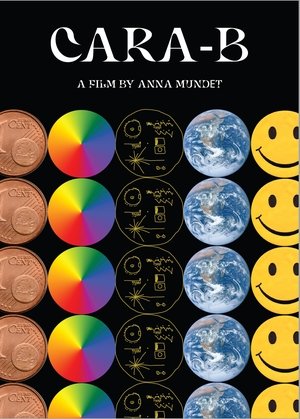
A desktop documentary that focuses on the Golden Record that NASA sent into space in the late 1970s. The piece reflects on issues such as the power of scientific discourse to produce revisions of the world, the evolution of the concept of the archive and the resignification of borders in the rhetoric of space colonialism.
The complex engineering challenges that make re-entry into the earth's atmosphere so dangerous. Scientists have labored for years to bring a crew safely home in what is essentially a meteorite, wrapped in a cocoon of fire, hurtling towards earth six times faster than the fastest bullet. Scientific experts from NASA explain the significance of Columbia's events as they unfolded, offer insights into what may have caused them and how those key events contributed to the shuttle’s ultimate destruction.
Apollo XI : L'Aventure en direct