Lions, leopard, cheetah, hyena, wild dog and crocodile - extraordinary scenes of super predators hunting. The Super Predators was filmed over three years at Londolozi Game Reserve in South Africa and on Kenya's Masai Mara. It captures some of the most extraordinary scenes ever seen on film of these super predators hunting and killing. Dramatic slow-motion action replays allow the viewer the opportunity of observing all the subtleties of these magnificent hunters in action. The film includes a plea for the world's most notorious predator, man, to work in closer partnership with nature for our mutual benefit and survival.
Kenya's Musiara marsh is prime lion country. Lush tall grasses, scrubby brush, and an abundance of watering holes attract a vast array of big game and smaller wildlife to this lowland valley. Yet during the lean winter months, before the great migration of wildebeest and zebra, the resident lions live on the edge of starvation. Everything rides on the success or failure of a few critical hunts. The fate of the young cubs hangs in the balance as the bond that holds the pride together is stretched to the limit. Now enter the domain of Kali the lion and her pride as they face the daily challenge to survive on the African plains
Photographer Ami Vitale follows a global effort to save the northern white rhinoceros from extinction. With only two surviving females, a team of scientists races to create the world’s first surrogate rhino pregnancy. The fate of the species now rests in the hands of the teams who are devoted to saving it in this hopeful, urgent film
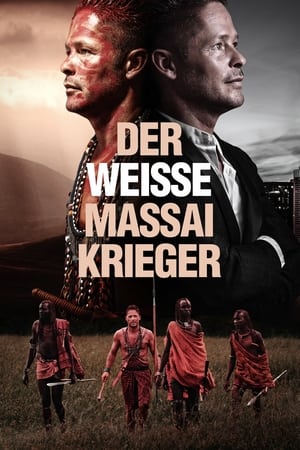
For the first time in history, a white man has been invited to become a Massai Warrior. The Massai of East Africa are one of the last tribes on earth to live as they did hundreds of years ago. Benjamin will live among the tribe, sleeping, hunting, and surviving in the bush. He will get to know their culture, their customs of dancing and playing, and learn how to conquer the dangers of the wilderness. Will he be able to become a true Massai warrior? To become a Massai is a great journey into the unknown.
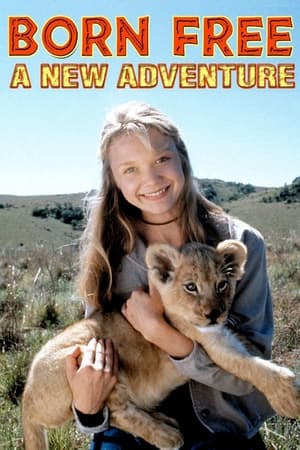
Another thrilling adventure for Elsa the lioness as she works her magic on two teenagers struggling with changes in their life.
60 years ago, almost nothing was known of elephants in the wild. But then one young Scottish biologist changed that forever. In 1965 Iain Douglas-Hamilton arrived in Tanzania to live alongside African elephants. Later joined by his wife Oria and daughters Saba and Dudu, elephants became central to their lives with matriarch Boadicea and gentle young mother Virgo cherished like human relatives. But this garden Eden was short-lived as an ivory poaching epidemic swept across Africa forcing Iain to switch from pioneering scientist to maverick conservationist. He became a lone crusader against the international Ivory trade which was finally banned in 1989. Now back in the field and revealing even more about the fascinating world of elephants, Iain’s work continues alongside a new generation of Kenyan conservationists. This inspiring documentary combines stunning wildlife imagery with the story of a remarkable life showing how sometimes you have to stand alone to protect what you love.
A documentary about people in Kenya who are imprisoned by the global flower industry. The dilemmas of the industry become painfully clear and a dark world of oppression, sexual abuse and terrible working conditions unfolds. There is only one conclusion possible: the smell of the imported rose is not sweet, but bitter.
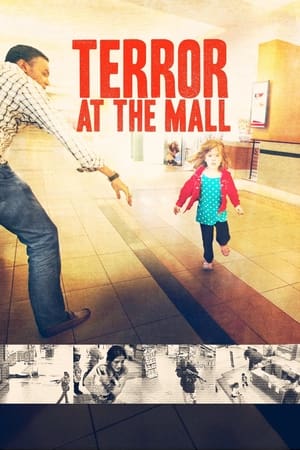
A documentary detailing an indiscriminate terrorist attack that left 71 dead in Kenya.
Kibera is the largest slum area in Nairobi, and the largest urban slum in Africa. This documentary depicts three important problems; violence, drugs (miraa) and albinos killing.The 2009 Kenya Population and Housing Census reports Kibera's population as 170,070, contrary to previous estimates of one or two million people .Most of Kibera slum residents live in extreme poverty, earning less than $1.00 per day. Unemployment rates are high. Persons living with HIV in the slum are many, as are AIDS cases. Cases of assault and rape are common. There are few schools, and most people cannot afford education for their children. Clean water is scarce. Diseases caused by poor hygiene are prevalent.
As if they were showing their film to a few friends in their home, the Johnsons describe their trip across the world, which begins in the South Pacific islands of Hawaii, Samoa, Australia, the Solomons (where they seek and find cannibals), and New Hebrides. Thence on to Africa via the Indian Ocean, Suez Canal, North Africa, and the Nile River to lion country in Tanganyika. (They are briefly joined in Khartum by George Eastman and Dr. Al Kayser.) Taking a safari in the Congo, the Johnsons see animals and pygmies, and travel back to Uganda, British East Africa, and Kenya.
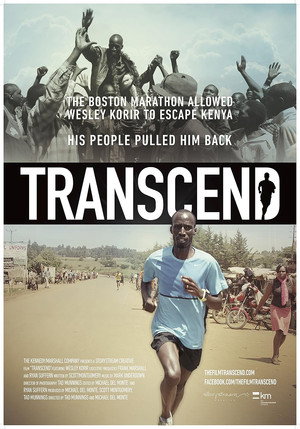
For African athletes making money abroad is the big goal. But Kenyan marathon runners need to be careful – the industry is ruthless and only few make it. For years, sports managers have been bringing African athletes to Europe to run in marathons with promises of potential prize money and a top career. For many it’s a means of escaping poverty. But what price do the marathon runners themselves pay? Long-distance running is among the toughest disciplines in the world. Professional marathon runners battle over seconds in a race more than 40km long - seconds that are often worth huge sums of money. Running has become a business. The prize money for a major event can be in five figures. Participants have to be world-class athletes to win these amounts.
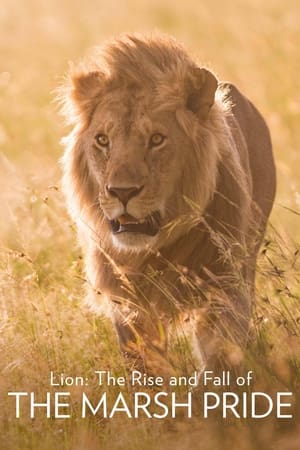
Documented in television documentaries for over 40 years by the BBC and other broadcasters around the world, the Marsh Pride is the most filmed pride of lions on Earth. In this film, the Marsh Pride battle for survival in Kenya's famous Maasai Mara Reserve, which has become a magnet for tourists, many of them keen to see the pride for themselves. A tale of shifting loyalties, bloody takeovers and sheer resilience, the lions’ story is told by those who filmed them, tried to protect them and lived alongside them, as well as some who ultimately wanted them dead.
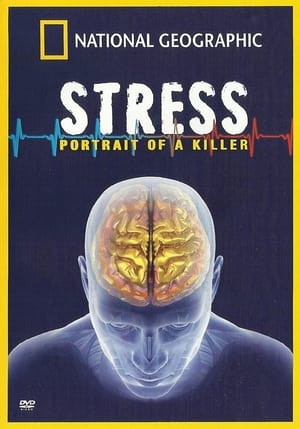
Over the last three decades, science has been advancing our understanding of stress: how it impacts our bodies and how our social standing can make us more or less susceptible. From baboon troops on the plains of Africa, to neuroscience labs at Stanford University, scientists are revealing just how lethal stress can be. Research tells us that the impact of stress can be found deep within us, shrinking our brains, adding fat to our bellies, even unraveling our chromosomes. Understanding how stress works can help us figure out ways to combat it and how to live a life free of the tyranny of this contemporary plague. In Stress: Portrait of a Killer, scientific discoveries in the field and in the lab prove that stress is not just a state of mind, but something measurable and dangerous.
This early travelogue film, made in a Kenyan train station, captures an impromptu musical performance. Some passengers eagerly join in while others sleep—blissfully unaware of the performance taking place around them.
When his family tries to kill him, Sidney, who is intersex, flees to Nairobi where he meets a group of transgender friends. Together, they fight discrimination and discover life, love and self-worth.
A woman asks "what's the meaning of democracy?" as she looks back over the politics of Kenya from the 1960s to the 2007 election.
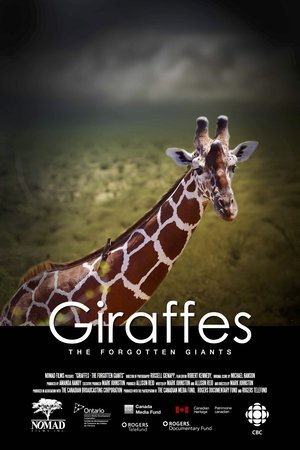
Dr. Anne Innis Dagg re-traces the steps of her groundbreaking 1956 journey to South Africa to study giraffes in the wild. Now, at 85 years old, Anne sees a startling contrast between the world of giraffes she once knew and the one it has become. Weaving through the past and present, her harrowing journey gives us an intimate look into the factors that destroyed her career and the forces that brought her back.
Sexual violence against women is a very effective weapon in modern warfare: instills fear and spreads the seed of the victorious side, an outrageous method that is useful to exterminate the defeated side by other means. This use of women, both their bodies and their minds, as a battleground, was crucial for international criminal tribunals to begin to judge rape as a crime against humanity.
Award winning short documentary by Ibrahim Snoopy, tracks the journey of the MTC martial arts team, which decides after a civil revolution that occurred in Sudan (2018-2019). Facing of lack of the state support and weak financial means, ambitious athletes found themselves forced to travel by land from Sudan to Kenya through Ethiopia to participate in an international championship "LionHeart 2019 Nairobi Open" in Nairobi, Kenya. A journey filled with determination, resilience, hope, and full of difficulties and challenges in order to raise the name of Sudan high in international sports forums and to solidify the art of Jiu-Jitsu in Africa.
The true life sequel to the movie classic Born Free. The actors from the movie Born Free, Bill Travers and Virginia McKenna, with the help of their friend legendary conservationist George Adamson, reveal what became of the lions used in the filming of the popular movie classic Born Free.