El Judici
Documentary on the 7 signatories of the 1916 Easter Proclamation.
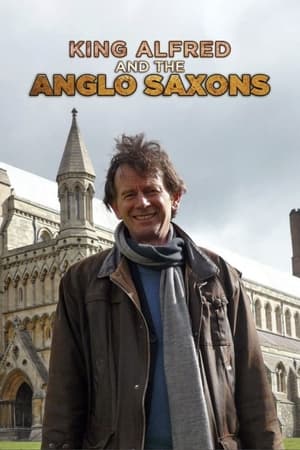
Michael Wood argues that the most important and influential British kings were a father, son and grandson who lived over a thousand years ago during the age of the Vikings.
How did a small island once rule over a quarter of the world's population? This shared history still shapes us today - and billions of people are part of its story.
This 2-part documentary series reveals the truth about King Edward VIII's affair with American divorcée Wallis Simpson, and the espionage operation that accompanied the investigation.
Days That Shook the World is a British documentary television series that premiered on BBC Two on 17 September 2003. The programme features various milestones throughout history. It has been broadcast on the BBC, Discovery Channel UK, The History Channel and Viasat History. The series was also released on DVD by the Polish edition of Newsweek in 2007.
Jonathan Meades gives a personal perspective of British history.
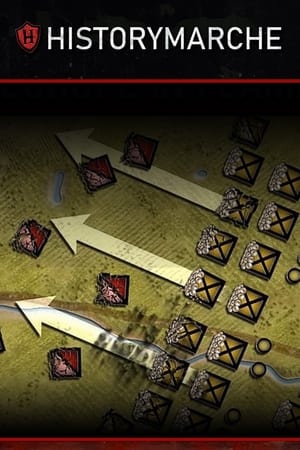
HistoryMarche delves into the tactics, strategies, and impacts of historical battles, bringing them to life with detailed animations and creative storytelling. The channel balances education with engaging visuals, making complex military maneuvers accessible. With a focus on transparency, it highlights scholarly debates and speculative history, encouraging critical thinking. By blending storytelling and modern animation, HistoryMarche makes history dynamic, relevant, and visually compelling.
Empire is a major five-part series presented by Jeremy Paxman. It tells the story of the British Empire in a new way, tracing not only the rise and fall of the empire but also the complex effects of the empire on the modern world – political, technological and social – and on Britain.
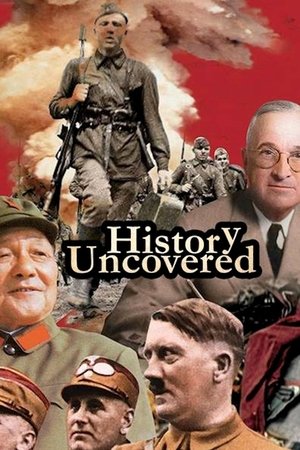
Myths die hard, and the history of the 20th century is no exception to this rule. Even today, we hold popular beliefs that we take for Evangelical truths. Thus, we believe that Hiroshima caused Japan to surrender, that the Marshall Plan saved Europe, that Adolf Hitler was a military genius, or that Mao Zedong was a necessary evil for China’s modernization. Of course, these judgements contain some truth; but, too broad-stroked to be accurate, they contradict the historical reality by denying its complexity. What if the truth was slightly different? Through an exploration of great national or international myths, this full archive documentary collection revisits the key moments of the 20th century with a new perspective in order to provide a new, smarter and more subtle interpretation, bringing elements to light that have been forgotten or sometimes overshadowed.
Andrew Marr's The Making of Modern Britain is a 2009 BBC documentary television series presented by Andrew Marr that covers the period of British history from the death of Queen Victoria to the end of the Second World War. It was a follow-up to his 2007 series Andrew Marr's History of Modern Britain.
Time Team is a British television series which has been aired on British Channel 4 from 1994. Created by television producer Tim Taylor and presented by actor Tony Robinson, each episode featured a team of specialists carrying out an archaeological dig over a period of three days, with Robinson explaining the process in layman's terms. This team of specialists changed throughout the series' run, although has consistently included professional archaeologists such as Mick Aston, Carenza Lewis, Francis Pryor and Phil Harding. The sites excavated over the show's run have ranged in date from the Palaeolithic right through to the Second World War.
In four chapters, largely based on and illustrated with archaeological finds and sites, Neil Oliver explains how, as far as is known, the Iron Age Celtic tribes known as the Ancient Britains evolved and entered European civilization. Their internecine tribal phase was warlike and partitioned. Overseas contacts, especially metal trade, brought wealth and progress. Ultimately, it attracted the superior Roman empire, which would conquer and pacify Britain into a province, like Gaul shortly before, but Caesar's invasion wasn't the definitive annexation yet, that was left to emperor Claudius; even afterward some Celtic traits and even rebellions remained.
Seven Ages of Britain is a BBC television documentary series which is written and presented by David Dimbleby. The seven part series was first aired on Sunday nights at 9:00pm on BBC One starting on 31 January 2010. The series covers the history of Britain's greatest art and artefacts over the past 2000 years. Each episode covers a different period in British history. In Australia, all seven episodes aired on ABC1 each Tuesday at 8:30pm from 7 September 2010.
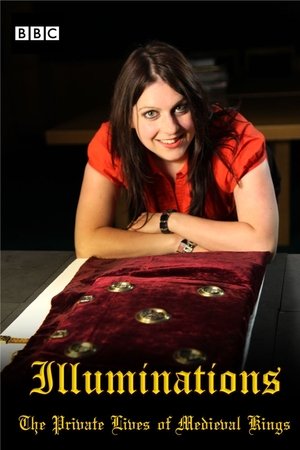
Through this three part series Art Historian Dr Janina Ramirez tells the story of the Medieval monarchy as preserved through stunning illuminated manuscripts from the British Library's Royal Manuscripts collection.
Dr Alice Roberts follows a year of British archaeology, joining up the results of digs and investigations the length of the country.
Groundbreaking series in which Michael Wood tells the story of one place throughout the whole of English history. The village is Kibworth in Leicestershire in the heart of England - a place that lived through the Black Death, the Civil War and the Industrial Revolution and was even bombed in World War Two.
Historian Dan Jones explores the millennium of history behind six of Great Britain's most famous castles: Warwick, Dover, Caernarfon, the Tower of London, Carrickfergus, and Stirling.
In this blend of historical drama and original source material, the story of this decisive year is remagined, not from the saddles of kings and conquerors, but through the eyes of the ordinary men who fought on their behalf.
The Normans is a British television documentary series first aired on BBC Two in 2010. Over three episodes, it sees Professor Robert Bartlett's journey from Great Britain via Jerusalem to the Kingdom of Sicily to examine the expansion and ambition of the Normans between the 10th and 13th centuries.