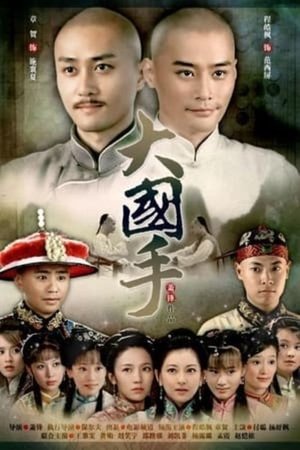
During the fifteenth year of Emperor Kang Xi's reign, a catastrophic Yellow River flood devastates the empire. To save his people, Kang Xi recruits brilliant minds through civil service exams, including the innovative Chen Huang, to confront the crisis and restore hope.
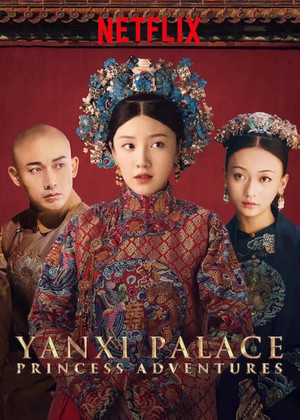
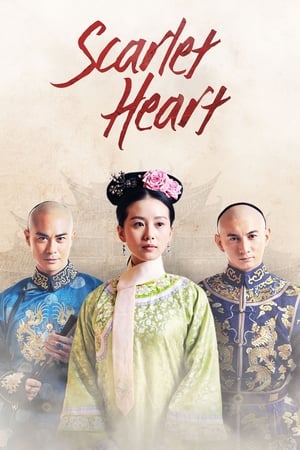
A determined Qing dynasty princess contends with palace intrigue and a vendetta against her family while navigating the treacherous terrain of romance.
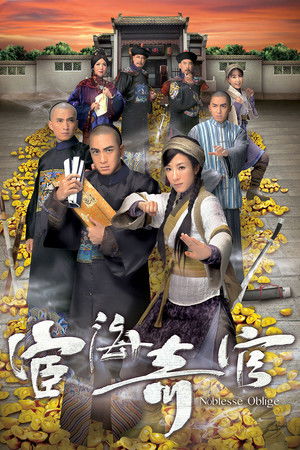
Set in the Xinhai Revolution era, the story tells of Liu An Shun, a promising escort master in a reputable armed escort business owned by his teacher. He is poised to take over the business from his teacher and marry his daughter. However, his uncompromising follow-the-rules attitude leads him into a series of incidents that causes him to be disgraced. To redeem himself, he moves to Beijing to establish an escort business branch and to prove himself worthy. While there, he faces other escort masters reluctant to accept his presence in their city and befriends a female bandit.
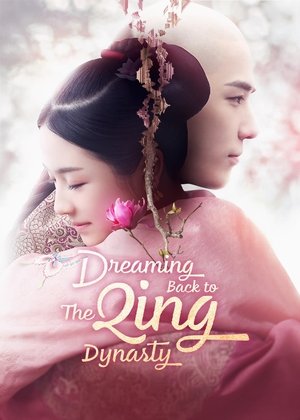
Modern-day office worker Xiao Wei is transported to the Qing Dynasty after getting lost in the Forbidden City. Thrust into palace intrigue and torn between powerful princes and Emperor Kangxi, she must navigate shifting loyalties and political tension while repeatedly facing life-altering choices in an unfamiliar era.
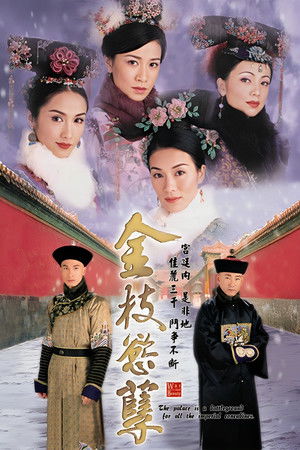
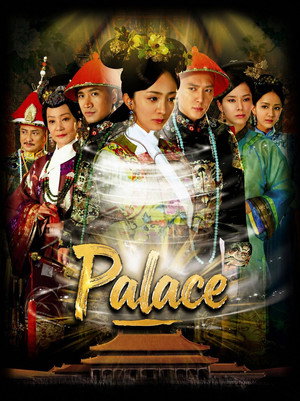
Fifteen years after Qing Emperor Jiaqing was crowned the country appears to be in harmony. However, fights between the imperial concubines escalate. All the imperial concubines including the emperor's beloved Yu-Yue understand this and becomes nervous when the triennial imperial concubine election approaches. Yu-Yue's position is threatened by an imperial descendant, Yuk-ying, a powerful eunuch's adopted daughter, Yi-Sun, and an experienced imperial servant maid On-Seen. They are friends and enemies in the war for the emperor's love. The four beautiful women are either friends or lovers of an imperial physician Sun Bak Yeung and a trooper Kong-Wu. Plots and lies undermine their love and friendships in the palace.
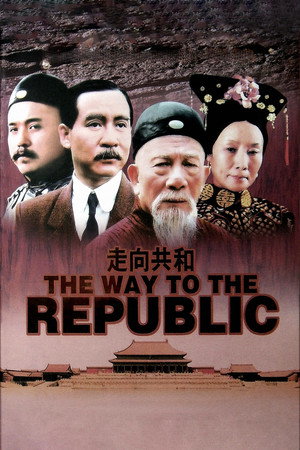
Towards the Republic, also known as For the Sake of the Republic and Zou Xiang Gong He, is a Chinese historical television series first broadcast on CCTV in China from April to May 2003. The series is based on events that occurred in China between the late 19th century and early 20th century that led to the collapse of the Qing Dynasty and the founding of the Republic of China. Owing to its portrayal of historical issues deemed politically sensitive by the Chinese government, the series has been subject to censorship in mainland China.
咸雪
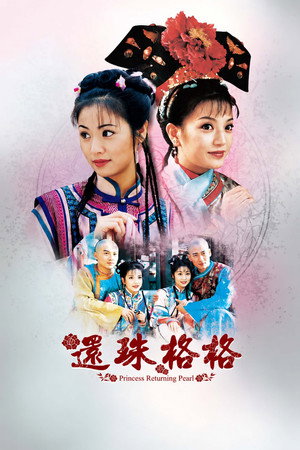
Centers around the legend of Princess Huanzhu during the reign of the Qianlong Emperor of the Qing Dynasty.
The journey of four childhood friends who join the Kunlun Division of the People's Liberation Army and are posted to Ürümqi and the Kunlun Mountains.
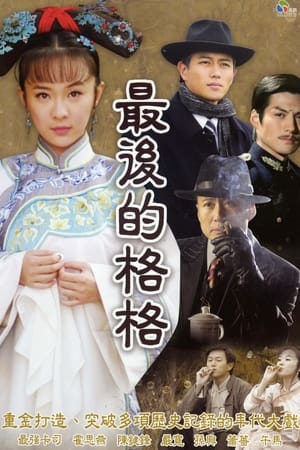
The Last Princess is a 2008 Chinese television series.
The story begins when a white-collar worker discovers old records in her childhood home which takes the story to the end of Qing and the beginning of the Republican era. The female protagonist is a woman with a unique ability and a special mission. She can help men and women through their emotional problems and leave them with no regrets regardless of the outcome. Yet her own experience with love is not without troubles of its own.
Zhang Xiao, a 21st-century woman, is transported back to the Qing Dynasty during Emperor Kangxi's reign after a bizarre accident. She awakens in the body of Maertai Rouxi, a teenage nobleman's daughter, and must navigate life in a past world shaped by her mysterious connection to this historical figure.
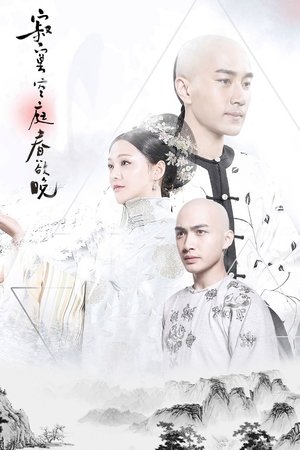
A series that follows different women and their stories during the Qing Dynasty
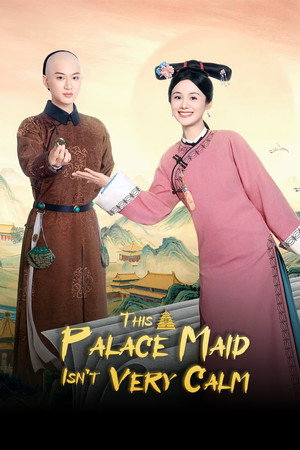
Lin Suisui is transported into the broken plot of My Fair Princess and becomes a maid in the Empress’s palace. To return home, she must fix the story, while unexpected complications from a mysterious guard threaten to derail everything.
新月格格
"The Confidant" depicts how a group of eunuchs survive in the weakening Qing empire, and closely traces imperial eunuch Li Lianying's early life from the first day he entered the imperial palace to become one of the most powerful political figures in the latter years of the Qing Dynasty. The drama also follows Li's relationship with Empress Dowager Cixi, and how he eventually becomes her closest confidant.
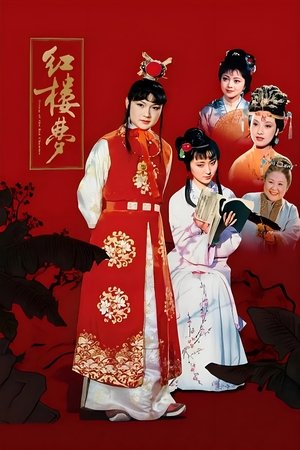
Dream of the Red Chamber, first released in 1987, was a television series produced by CCTV, adapted from the classic 18th century Chinese novel of the same name. It gained enormous popularity for its music, cast, and plot adaptation, being regarded by many within China as being a near-definitive adaptation of the story.
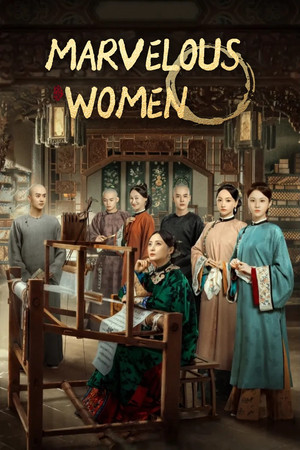
As China becomes a major commercial economy, the silk, embroidering, and weaving trade is booming - and a few influential families have risen to the top. The industry's powerhouse is the Gusu District in Suzhou, Jiangsu Province. And arguably the greatest weaving dynasty of them all is the Ren family, which carefully guards the secrets of its weaving prowess.
金钗谍影
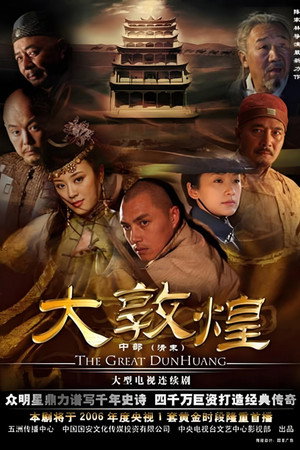
The Great Dunhuang is a Chinese television series based on the history of the oasis city of Dunhuang, which lies on the ancient Silk Road. With a Buddhist sutra printed in gold lettering as the plot device, the series tells of the rise and fall, and rebirth of Dunhuang in three parts, each covering a different period in Chinese history - the Song Dynasty, the late Qing Dynasty and the Republican era. The series was first broadcast in mainland China on CCTV from October 31 to November 25 in 2006.