Mobutu, roi du Zaïre
Dr Jane Goodall first began studying the chimpanzees of Gombe, Tanzania in 1960. Her pioneering work forever changed the way we understand the species. The series focuses entirely on the stories of the females of Gombe for the first time.
A look into the Belgian colonisation of Congo through interviews of both colonials as Congolese people that lived it.
The Congo: more powerful and dangerous than any other river, yet a sanctuary and home for some of the most wonderful creatures on our Earth.
Dan McKernan relocated from Austin, Texas, to take over his family's 140-year-old farm in Michigan and transform it into the "Barn Sanctuary," a place for farm animals that have experienced abuse, neglect and more; the show follows Dan and his family as they learn the ropes of their new life on the farm and give the barnyard animals a second chance at life; it also documents his travels across the country to rescue barn animals.
Get an intimate look inside the Orangutan Jungle School in the heart of Borneo. Survey this sanctuary, where orphaned orangutans learn survival skills, make friends, and navigate the journey to adulthood as they prepare to return to the wild.
How do you cope when you suddenly become surrogate parents to 21 orphaned chimps? Jim and Jenny Desmond have chimps overrunning their home and even their bed.
Hugh's Chicken Run was a programme as part of Channel 4's 'Food Fight' series in which celebrity chef Hugh Fearnley-Whittingstall launched the campaign to encourage more consumers to demand free range chicken. Hugh was joined on the campaign by fellow celebrity chef, Jamie Oliver, who chose to highlight the issues in the more graphic Jamie's Fowl Dinners. In the series Hugh set about the highlighting the differences in standards by creating his own intensive and free range chicken farms, as well as mentoring a community project in Axminster. Hugh heralded the campaign a success when he managed to get to the point where the majority of the whole fresh chicken consumed in the town of Axminster was free range. Since then the campaign has gone countrywide with over 128,000 viewers having pledged on the campaign website to only buy free range products. The show has been linked with the large rise in free range products, as well as the drop in demand for intensively reared products during January and February 2008. A poll carried out for the RSPCA, 73% of adults claim that they now only buy birds that have "higher welfare" conditions, such as the RSPCA's freedom food scheme, free range or organic
On his toughest journeys yet, Simon Reeve travels through some of the most remote landscapes on Earth in search of the people and the wildlife of the planet’s greatest wildernesses.
A land of elephants, tigers, leopards and bears, India is one of the most biodiverse countries on earth. But it's also home to 1.3 billion people who increasingly compete with wild animals for living space. Now, a dedicated team of conservationists and vets are on a mission to rescue animals in distress and find a way for India's people and wildlife to coexist in harmony.
In German kitchens, over 7 billion eggs are cooked every year, more than 2.3 million tons of meat are consumed, 29 billion liters of milk are drunk and more and more fish is being eaten. But where does all this come from? Is the fish caught by a white-bearded captain with a crew of children? Does the chicken live on an idyllic farm with a rooster on the manure? And are pigs actually always happy and cows purple and colorful? The reality is different - a world full of battery hens, huge fish farms and slaughterhouses. Animals are production units - without a soul, without the right to a life. The main thing is cheap. This documentary provides unsparing insights into the depths of the factory farming industry and reveals the true origins of our food, free from suggestive advertising messages.
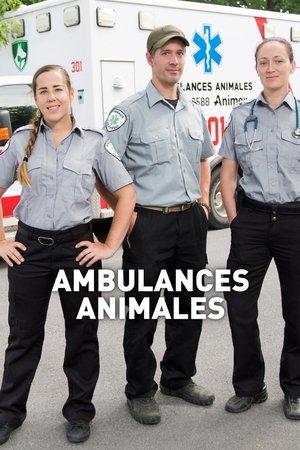
Follow the daily lives of first responders who rescue animals. The series showcases the hectic workdays of animal paramedics, veterinarians, dog handlers, wildlife experts and animal shelter staff members as they respond to emergency calls in the Montreal area. Featuring dramatic rescues, special transportation methods, intensive care or emergency operations.
Documentary series following the work of the RSPCA, filming as calls come in to the national control centre and following inspectors on the ground as they deal with everything from injured wildlife to neglected pets.
A zoo owner spirals out of control amid a cast of eccentric characters in this true murder-for-hire story from the underworld of big cat breeding.
Exploring the remote rainforests of the Congo and meeting the tribes that live there. Ben Fogle experiences the vibrant culture that makes the country the 'beating heart of Africa'. Ben arrives in the capital Brazzaville where he prepares for a two-day journey into the wilderness to visit one of the longest-surviving cultures in the world, the Mbendjele BaYaka tribe living deep in the jungle in traditional huts made from leaves
The extraordinary staff at the Humane Society of the Pikes Peak Region risk their lives and give their hearts to save all animals big and small.
Critical Kingdoms - Stories of Hope
Orangutan Island is an American documentary television series, in the style of the successful series Meerkat Manor, that blends more traditional documentary filming with dramatic narration. The series was produced by NHNZ with creator Judith Curran also acting as the series producer. Animal Planet's Martha Ripp is the executive producer of the series, and Lone Drøscher Nielsen of the Borneo Orangutan Survival Foundation, the founder and manager of the Nyaru Menteng Orangutan Reintroduction Project, regularly appears with the orangutans in the show. The series premiered on Animal Planet on November 2, 2007, with new episodes airing Friday nights. A second season began airing in November 2008. The show focuses on a group of orphaned orangutans at the Nyaru Menteng Orangutan Rescue and Rehabilitation Center that are raised to go against their normally independent nature and instead cooperate and live together in a society so they can be left to live wild on their protected island.
We have been colonised by the machines we have built. Although we don't realise it, the way we see everything in the world today is through the eyes of the computers.
Vida Animal: Segunda Chance