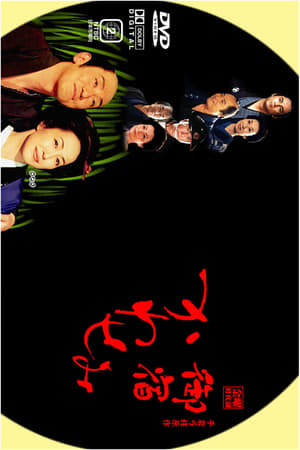
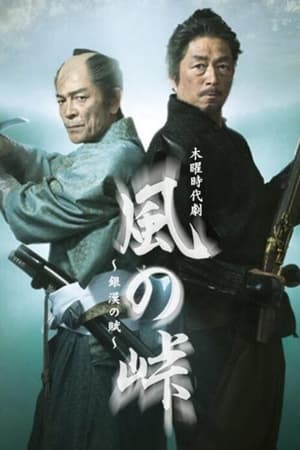
Fumi becomes Genzui Kusaka’s wife. During the turbulent times of the closing days for the Tokugawa shogunate, she lives positively and tries to keep up Shoin Yoshida's will. Shoin Yoshida is her older brother and intellectual.
The 41st NHK Taiga Drama is Toshiie to Matsu. During the turbulent Warring States Era, one man's life and career intertwined with the three great generals of Japanese history-Nobunaga, Hideyoshi, and Ieyasu. With political savvy and the support of his fiercely loyal wife, Maeda Toshiie rose to second in power in the shogunate and built up a fiefdom that encompassed Echizen, Noto and Kaga.
Otose, the daughter of a poor farmer, was born on Awaji Island. At her workplace, she met Tsuda Mitsugi, a loyalist of the imperialists. He was the man of her dreams. As if to test their love, numerous trials befall them.
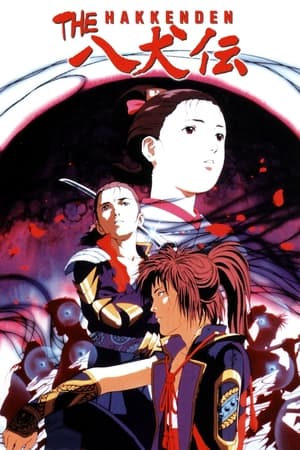
During the war-torn feudal wars in Japan, the Awa clan faced certain extinction from a rival clan backed by demonic forces. However, a careless promise by their lord leads to both salvation and disgrace when their family dog brings back the head of the enemy warlord and insists on marrying the lord's daughter. Their unnatural union bears fruit but when both are killed, the eight unborn pups are reincarnated as the eight Dog Warriors - The Hakkenden. As they slowly find each other and come together as a group, these eight warriors, who represent the eight separate aspects of Bushido, engage in bloody battles with demonic entities and evil samurai in a final attempt to redeem their clan!
Set in the Edo Period of Japan, the series follows a young ninja named Hayate, who is the son of a man who developed a special technique called the "Transformation Jutsu" capable of granting a superhuman form. However, their Ninja clan, the warmongering Blood Wheel Clan, begins using the Transformation Jutsu to spread fear and terror all throughout Japan as part of their campaign to conquer it, going against the peaceful intentions Hayate's father had when creating it. After the Blood Wheel Clan slaughter a village, Hayate is able to convince his initially reluctant father to perform the transformation procedure on him, enabling him to become a birdman ninja known as "Arashi" to defend people from the Blood Wheel Clan. Hayate's father is later murdered by the Blood Wheel Clan when they discover his betrayal, but Hayate himself escapes and teams up with the Iga Clan to fight and keep the Blood Wheel Clan from taking over Japan.
Collection of short stories about women in various periods of Japanese history. Based on famous Japanese novels.
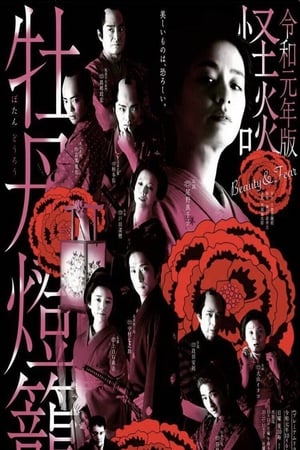
One hundred years ago, the two died untimely deaths, although they had a strong bond. In the Edo period, the reincarnated man met a geisha named Osome, a wandering spirit who could not attain Buddhahood.
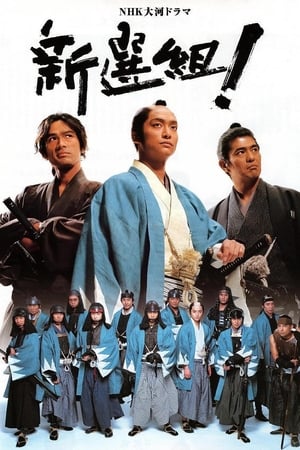
Shinsengumi! is a Taiga drama television series produced by Japanese broadcaster NHK. It was a popular drama about the Shinsengumi, a Japanese special police force from the Bakumatsu period.
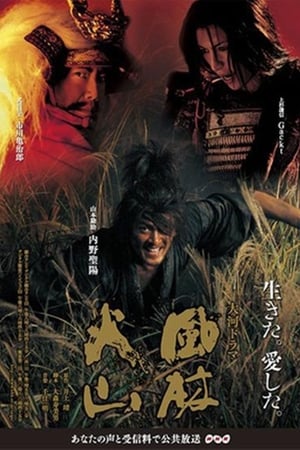
Fūrin Kazan was the 46th NHK Taiga drama beginning on January 7, 2007. It was aired throughout 2007. The four characters from left to right are wind, woods, fire, and mountain. The title is a reference to the war banner used by Takeda Shingen, which in turn was taken from Sun Tzu's The Art of War. It means "Swift as the Wind, Silent as a Forest, Fierce as Fire and Immovable as a Mountain."
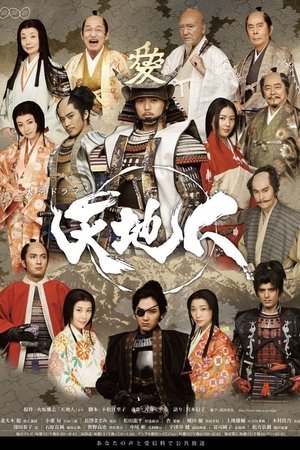
Tenchijin is the 48th NHK Taiga drama. It airs on NHK from January 4, 2009 every Sunday from 20:00 to 20:44 JST to November 22, 2009 spanning 47 episodes. The story centers on the life of the 16th century samurai Naoe Kanetsugu. Production began on April 27, 2007. The story is based on the novel Tenchijin by Masashi Hisaka and was adapted for screen by scriptwriter Eriko Komatsu. The series' music composer was Michiru Oshima. The protagonist of the drama, Naoe Kanetsugu, was taught by Uesugi Kenshin in his youth that to conquer the world is a trifling matter, but what matters is to live one's life with righteousness. After Uesugi's death, Naoe supports Uesugi Kagekatsu, who holds the destiny of Echigo province.
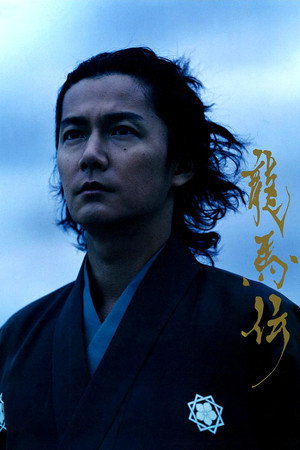
Ryōmaden is the 49th NHK Taiga drama. It was shown on NHK from January 3 to November 28, 2010 spanning 48 episodes. The story centers on the life of 19th-century Japanese historical figures Iwasaki Yatarō and Sakamoto Ryōma. It has been announced that the series will be aired in several other countries, for example Hong Kong, South Korea, Taiwan and Thailand.
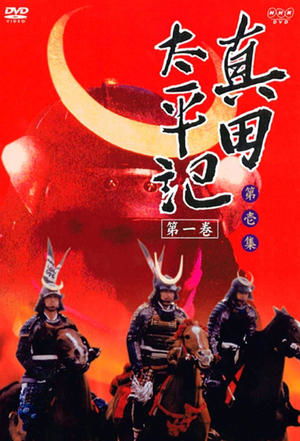
An entertaining historical drama depicting Sanada Yukimura, a hero who has gone through the era from the incident at Honnōji Temple to the summer siege of Osaka Castle, as "a man of men".
小河ドラマ 徳川☆家康
Blockbuster drama based on the novel Sekigahara by Ryotaro Shiba, a program dedicated to the 30th anniversary of TBS. A total of 120 actors, 3,500 extras and about 500 horses recreated the largest battle in history, the Battle of Sekigahara, in which 200,000 warriors clashed from east and west. The battle, which can be called a turning point in the history of Japan, depicts the conflict, love and hate between people on a grand scale and with a great cast.
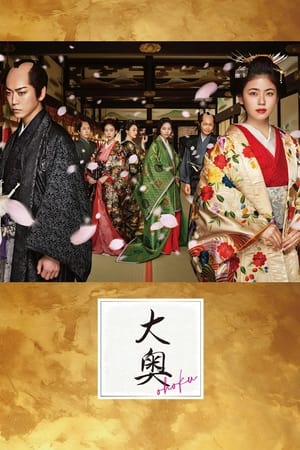
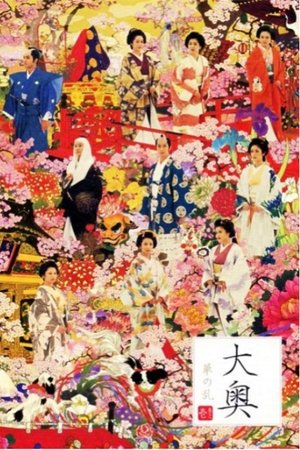
大奥 第一章
Following the ascension to power of Taira no Kiyomori, the Minamoto clan is exiled. Minamoto no Yoritomo meets Masako, the sister of Hōjō Yoshitoki and later marries her. Following this marriage, the gears of Yoshitoki's destiny begin to turn.
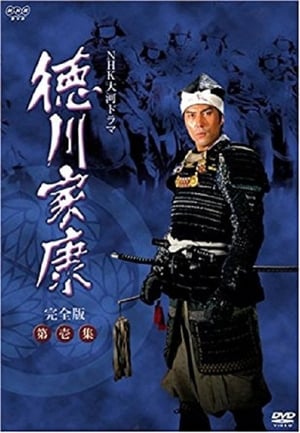
The story chronicles the life of Tokugawa Ieyasu.
After 2 years of completely isolation in mountains, Musashi comes back in order to live a normal life. However, after his duel against Kojiro Sasaki he has many enemies who want to kill him...
The 38th NHK Taiga Drama is Genroku Ryoran. The "Forty-seven Loyal Samurai" is one of the most enduring and best loved stories of Japan's history. Generations have grown up hearing the stirring tale of Oishi Kuranosuke, chief councillor of the Ako clan who leads his men through suffering and hardship to ultimately avenge their lord after he is unjustly forced to commit harakiri. NHK's 38th Taiga Drama "Genroku Ryoran" is the ambitious remake of this classic epic and boasts a cast that reads like a Who's Who in Japanese entertainment.
The 36th NHK Taiga Drama is Mori Motonari. This series chronicles the life of Mori Motonari, a warlord of the early 1500s who stood at the vanguard of the Warring States era. All Japanese school textbooks contain the Mitsuya no kyokun, Mori's famous lesson to his three sons that teaches that while one arrow is easily broken, three arrows together cannot be broken. In 1997, 500 years after his birth, NHK dramatizes Motonari's rise from a chief of the region of Aki (now Hiroshima) to a daimyo who rules over ten provinces of the Chugoku region. Motonari was 64 years old and already the patriarch of a powerful dynasty about the time Oda Nobunaga and Takeda Shingen appeared on the scene. And even after his death, the Mori family figured prominently in Japanese history. His grandson Terumoto became a loyal Toyotomi vassal. Defeated at the Battle of Sekigahara, Ieyasu confiscated most of his lands, leaving him only with Suwo and Nagato, later known as Choshu. But 260 years later, the Mori got their ultimate revenge, leading the imperial forces against the Tokugawa in the Meiji Restoration.