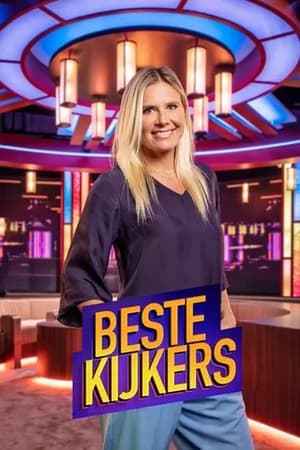
Three reckless fatbike owners compete in a traffic race full of obstacles, rules, and confrontations, while experts and a desperate presenter try to get their driving skills and traffic awareness on track.
Eight pairs of Brick heads are pitted against each other in a quest to impress with their creativity, design and flair, driven by their unparalleled passion for the possibilities that will start with a single LEGO brick.
Startime, an anthology of drama, comedy and variety, was one of the first American television shows broadcast in color.
Sporting quiz show, with regular captains leading teams of celebrities.
Bejvávalo
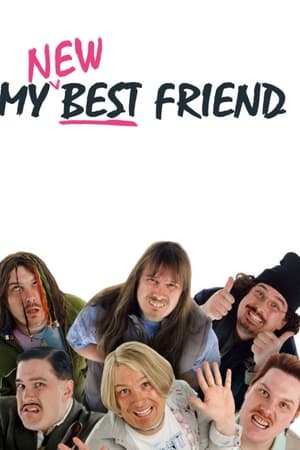
Could you pass off a complete stranger as your new best friend for one short weekend to win £10k, even if your 'friend' was actually a brilliant actor hell-bent on humiliating you?
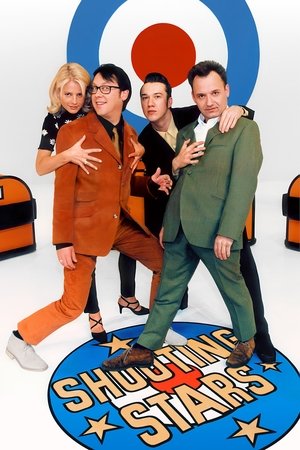
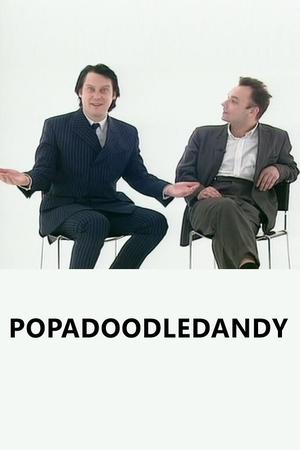
Shooting Stars is a British television comedy panel game broadcast on BBC Two as a pilot in 1993, then as 3 full series from 1995 to 1997, then on BBC Choice from January to December 2002 with 2 series before returning to BBC Two for another 3 series from 2008 until its cancellation in 2011. Created and hosted by double-act Vic Reeves and Bob Mortimer, it uses the panel show format but with the comedians' often slapstick, surreal and anarchic humour does not rely on rules in order to function, with the pair apparently ignoring existing rules or inventing new ones as and when the mood takes them.
Unsuspecting members of the public secretly will be recruited to pull a prank on their unwitting companions with absolutely no time to prepare. If they agree to participate, they must obey all instructions given through an earpiece from a secret control room nearby. With the opportunity to prank their way to cash and prizes, these everyday people will be shown no mercy as they are tasked with pulling off some of the most ridiculous behavior ever caught on hidden camera.
The chase is on! Celebrities hide in the most unexpected places at school, but can they outwit an entire student body? The ultimate game of hide-and-seek begins!
Four adorable rainforest animals and their fearless friends go on adventures, learn about nature and discover the power of friendship together.
Hollywood Squares is an American panel game show, in which two contestants play tic-tac-toe to win cash and prizes. The "board" for the game is a 3 × 3 vertical stack of open-faced cubes, each occupied by a celebrity seated at a desk and facing the contestants. The stars are asked questions by the host, or "Square-Master", and the contestants judge the veracity of their answers in order to win the game. Although Hollywood Squares was a legitimate game show, the game largely acted as the background for the show's comedy in the form of joke answers, often given by the stars prior to their "real" answer. The show's writers usually supplied the jokes. In addition, the stars were given question subjects and plausible incorrect answers prior to the show. The show was scripted in this sense, but the gameplay was not. In any case, as host Peter Marshall, the best-known "Square-Master" and the man in whose honor the show's first announcer, Kenny Williams, actually "coined" the term, would explain at the beginning of the Secret Square game, the celebrities were briefed prior to show to help them with bluff answers, but they otherwise heard the actual questions for the first time as they were asked on air.
Remote Control is a TV game show that ran on MTV for five seasons from 1987 until 1990. It was MTV's first original non-musical program. New episodes were made for first-run syndication from 1989 until 1990 which were distributed by Viacom. Three contestants answered trivia questions on movies, music, and television, many of which were presented in skit format. The series was developed by producers Joe Davola and Michael Duggan, and directed by Dana Calderwood.
Jedeme dál
"Act of Faith" is a musical comedy series about the chaos that ensues in the community around a religious youth theatre organization when one of the company's administrative employees is outed as a gay man.
The Generation Game was a British game show produced by the BBC in which four teams of two competed to win prizes. The programme was first broadcast in 1971 under the title Bruce Forsyth and the Generation Game and ran until 1982, and again from 1990 until 2002. The show was based on the Dutch TV show Een van de acht, "One of the Eight", the format devised in 1969 by Theo Uittenbogaard for VARA Television. Mrs. Mies Bouwman - a popular Dutch talk show host and presenter of the show - came up with the idea of the conveyor belt. She had seen it on a German programme and wanted to incorporate it into the show. Another antecedent for the gameshow was 'Sunday Night at the London Palladium' on ATV, which had a game called Beat the Clock, taken from an American gameshow. It featured married couples playing silly games within a certain time to win prize money. This was hosted by Bruce Forsyth from 1958, and he took the idea with him when he went over to the BBC.
In this newsroom, breaking means losing. Our reporters don't know what's about to be on the teleprompter, and every laugh is a point against them.
A game show where talented contestants compete to bring to life silly prompts.
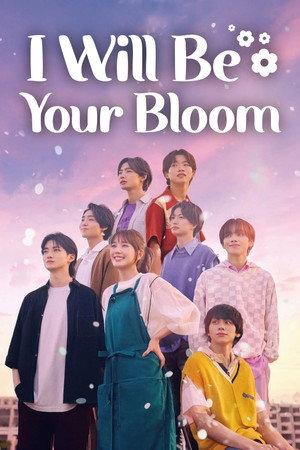
Different from the others, Sosa, Eco & Bion were born with supernatural powers. Using individual powers, they were told to protect the world. Now, not using their "powers", but through "songs" they will save the world.
The trials and tribulations of a two man, digi-folk band who have moved from New Zealand to New York City in the hope of forging a successful music career. So far they've managed to find a manager (whose "other" job is at the New Zealand Consulate), one fan (a married obsessive) and one friend (who owns the local pawn shop) -- but not much else.
Sticky Moments was a satirical British television game show that aired on Channel 4 in 1989 and 1990. It was hosted by the comedian Julian Clary.