The first months of an animal's life are crucial - if they lose their mothers, they'll need help. Meet the wild orphans getting a second chance, and those devoted to saving them.
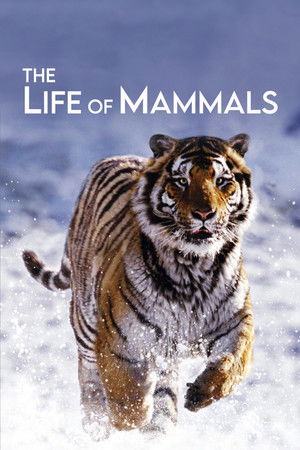
Chris Packham uses groundbreaking science and brand-new behaviour to delve deep beneath the skin and discover the unique features that have made certain animal groups successful.
A four-part documentary series on ocean life around the world.
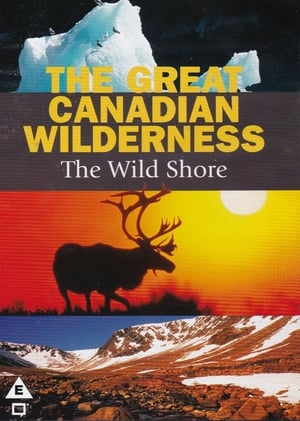
The four-part series takes an awe-inspiring look at the world around us, shot with ultra-high-definition cameras that capture sweeping panoramas and extraordinary close-ups of Canada’s majestic terrain and diverse species.
On the 150th anniversary of its founding, Kevin Costner explores Yellowstone National Park to find out if it's still as wild and untouched as it was on the day of its birth, and looks back at the events that led to its preservation.
Heading to the incredible equatorial country of Colombia, Nigel Marven explores the wild side of South America.
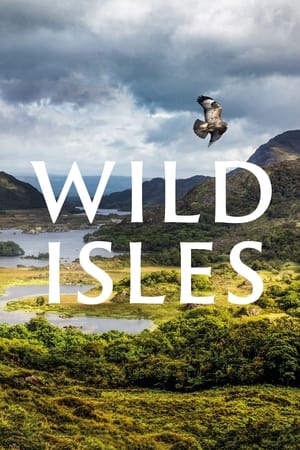
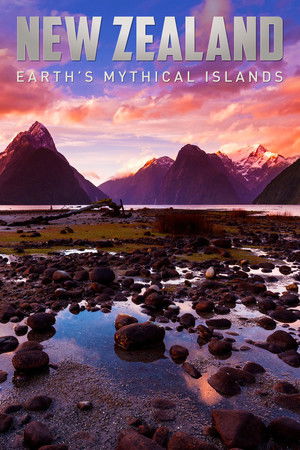
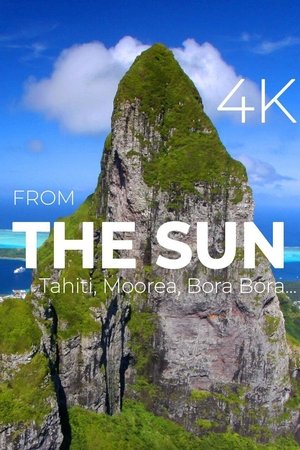
Exploring some of the world's most isolated and iconic tropical islands.
David Attenborough reveals the surprising truth about the cold-blooded lives of reptiles and amphibians. These animals are as dramatic, as colourful and as tender as any other animals.
A follow-up to the 1990 Radio 4 series in which the late Douglas Adams and Mark Carwardine travelled around the world in search of endangered species. 20 years later Stephen Fry and Mark Carwardine go back to see what has become of the animals in two decades, and to discover what has affected their fortunes.
Takes viewers into the center of five animal families - lions, jackals, cheetahs, hyenas and meerkats - as they raise their young in the wilderness. Innovative camera techniques are used to follow the animals' tender, emotional and often stressful stories from the moment their babies are born through different stages in their maturity.
The Burrowers follows Chris Packham as he goes underground to take a look at the subterranean world of some of the country’s most iconic animals.
Tom Hardy narrates this thrilling natural history series following five apex predators facing the ultimate test of survival in drastically changing environments across the globe.
See It Now is an American newsmagazine and documentary series broadcast by CBS from 1951 to 1958. It was created by Edward R. Murrow and Fred W. Friendly, Murrow being the host of the show. From 1952 to 1957, See It Now won four Emmy Awards and was nominated three other times. It also won a 1952 Peabody Award, which cited its
La Corse, beauté sauvage
This nature series’ new technology lifts night’s veil to reveal the hidden lives of the world’s creatures, from lions on the hunt to bats on the wing.
Australian host Steve Irwin and his wife Terri run a wildlife refuge. Their shared passion is educating the world about wildlife, including the much feared crocodile and numerous venomous snakes. Steve's specialty is the capture and relocation of crocodiles. No animal appears too threatening to Steve, his true respect for animals is the foundation for everything he does.
Documentary series exploring the vast landscapes, remote wilderness and mysterious creatures that inhabit North America, Central America and South America, covering the largest rainforests, tallest trees, oldest living beings and the most extreme elemental forces of the continent.
Meerkat Manor is a British television programme produced by Oxford Scientific Films for Animal Planet International that premiered in September 2005 and ran for four series until its cancellation in August 2008. Blending more traditional animal documentary style footage with dramatic narration, the series told the story of the Whiskers, one of more than a dozen families of meerkats in the Kalahari Desert being studied as part of the Kalahari Meerkat Project, a long-term field study into the ecological causes and evolutionary consequences of the cooperative nature of meerkats. The original programme was narrated by Bill Nighy, with the narration redubbed by Mike Goldman for the Australian airings and Sean Astin for the American broadcasts. The fourth series, subtitled The Next Generation, saw Stockard Channing replacing Astin as the narrator in the American dubbing.
Chester Zoo is the most popular zoo in Britain. This observational documentary series uses micro-rig camera technology to capture, in incredible detail, the remarkable behaviour of the animals there.
Combining fact and informed speculation with cutting-edge computer graphics and animatronics effects, the series set out to create the most accurate portrayal of prehistoric animals ever seen on the screen.