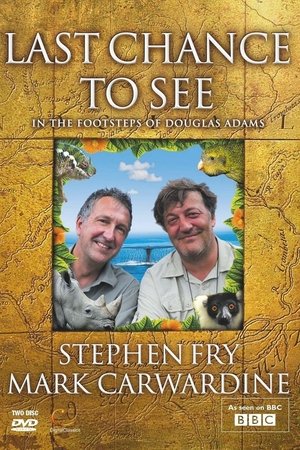
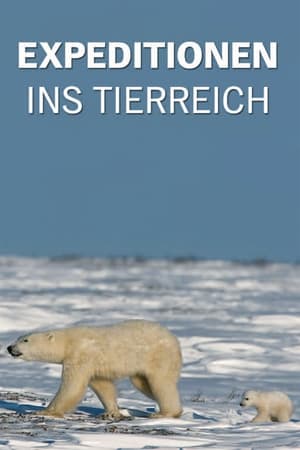
A follow-up to the 1990 Radio 4 series in which the late Douglas Adams and Mark Carwardine travelled around the world in search of endangered species. 20 years later Stephen Fry and Mark Carwardine go back to see what has become of the animals in two decades, and to discover what has affected their fortunes.
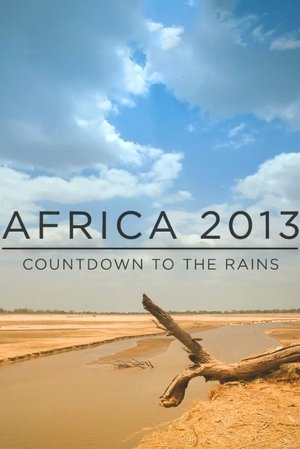
Kate Humble and Simon King follow the animals living along Zambia's Luangwa River, from the last days of the longest dry season in memory to the arrival of the rains that will change everything.
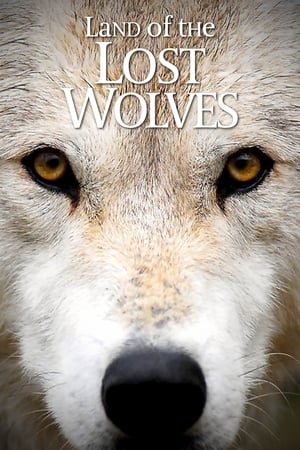
Two-part natural history series following the fortunes of one very special pack of wolves as they return to North America's West Coast.
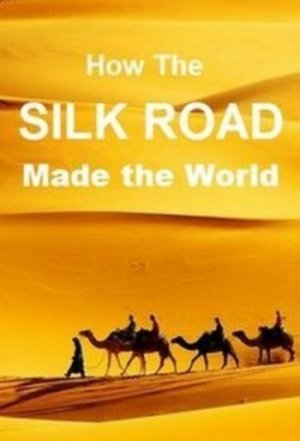
How the Silk Road Made the World 3 x 60' NHNZ/CCTV (China Central Television) The Silk Road is one of humanity’s greatest enterprises. For thousands of years across the vastness of Eurasia, a trade route linking east and west has deeply influenced history. Silk Road trade has helped to build and break empires, fed revolutions and profoundly affected civilisations. Humanity as we know it, and all we have created, owes much to the legendary Silk Road. This is true of objects as basic yet revolutionary as a piece of paper, to the complex metropolis of New York City. Travel through time to witness the evolution of ancient warfare, experience the horror of the Black Death, see the explosive impacts of innovations and live through radical social change. Embark on a dramatic historical journey throughout Eurasia and delve into the captivating tales of this world-famous trade route. Discover How the Silk Road Made the World.
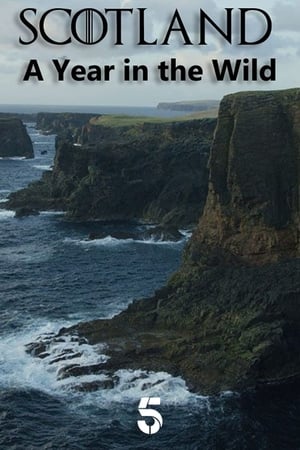
This four-part nature series reveals the extraordinary stories of Scotland’s secret wild places and the unexpected animals that live there. Scotland hosts a spectacular array of wildlife, from highland red deer, white-tailed eagles, red squirrels and pine martens to coastal dwelling puffins, grey seals, otters, and even killer whales. Stretching from the Shetlands to the south of the country, each episode focuses on how animals strive to survive through four very different seasons in one epic year, dominated by a maritime climate that’s both punishing and unpredictable, with their lives always at the mercy of the elements.
An immersive culinary adventure that takes viewers deep into the heart of Native America, guided by award-winning celebrity Chef Pyet DeSpain (Prairie Band Potawatomi Nation). Each episode drops audiences into a new and breathtaking landscape—deserts, forests, plains, and coastlines—where Chef Pyet joins Indigenous communities to gather, fish, hunt, and cook in the spirit of ancestral tradition.
How To Survive the End of the World examines terrifying and scientifically plausible doomsday scenarios by exploring distinct, world-threatening events and the methods by which humanity would fight to survive against grim odds.
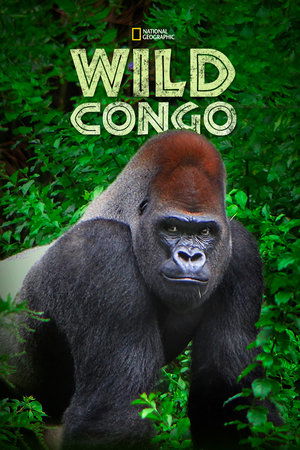
The Congo: more powerful and dangerous than any other river, yet a sanctuary and home for some of the most wonderful creatures on our Earth.
A Docu-series of events of two prose litigants Terri and William that go toe to toe with Hollywood moguls, Tyler Perry and Oprah Winfrey over U.S. Copyrighted works that span over a decade evolved into a Civil RICO case April (2017). Season 1 is available on Prime Video and is 6 episodes 62 min each and has a Season 2 in postproduction.
This true crime series investigates shocking cases of people murdered by those close to them. From couples and friends to co-workers and relatives, each episode tells a single story of a deep relationship that turned deadly and of crimes fuelled by jealousy, rage, greed, unrequited love and hatred. Chilling cases involve murderous husbands and money-grabbing wives, lethal love triangles and deadly feuds.
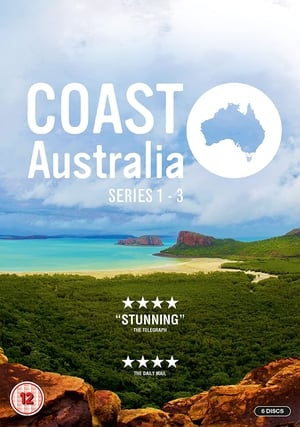
Coast Australia follows renowned Scottish archaeologist and historian Neil Oliver on his very first trip to Australia, as he and a diverse group of co-hosts gather stories about our spectacular coastline: the history, the people, the archaeology, the geography and the marine life, investigating interesting and little known facts along the way. Oliver’s co-hosts, all experts in their field, are journalist and Australian arts and culture specialist Miriam Corowa, environmentalist Professor Tim Flannery, marine scientist Dr Emma Johnston, anthropologist Dr Xanthe Mallett and television presenter and landscape architect Brendan Moar.
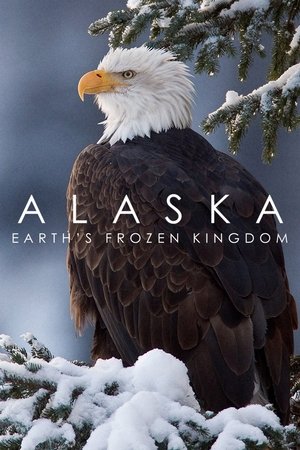
Three-part series that looks at a year in Alaska, revealing the stories of pioneering Alaskans, both animal and human, as they battle the elements and reap the benefits of nature's seasonal gold rush.
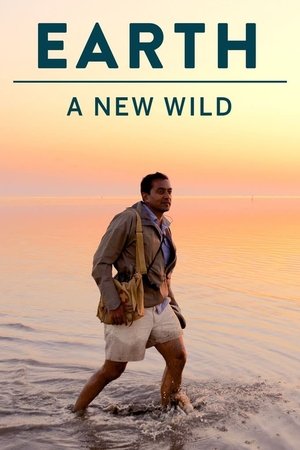
A fresh look at humankind’s relationship to the planet’s wildest places and most fascinating species. Using advanced filming techniques, this series will provide visuals as stunning as the best natural history programs. Distinguishing itself from nearly all other nature films, however, the series turns the cameras around, showing the world as it really is—with humans in the picture.
Amid turmoil in his career and marriage, comedian and film star Kevin Hart opens up about his personal breakthroughs as he navigates crises and fame.
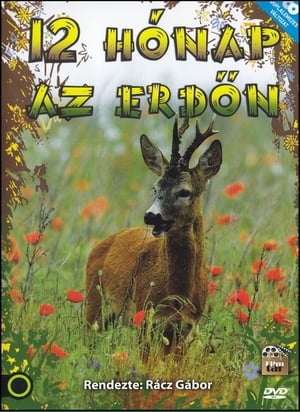
A 12-part nature film series that shows the wildlife of the forests from January to December.
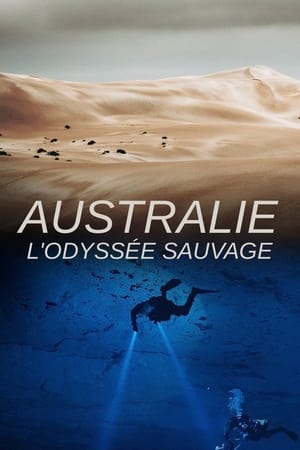
Australie : l'Odyssée Sauvage
Expeditionen ins Tierreich
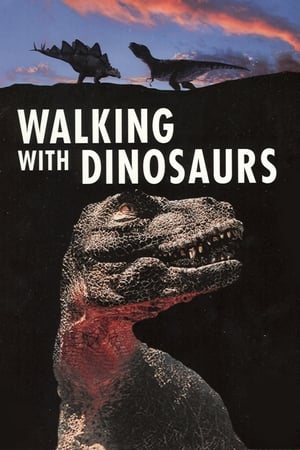
Combining fact and informed speculation with cutting-edge computer graphics and animatronics effects, the series set out to create the most accurate portrayal of prehistoric animals ever seen on the screen.
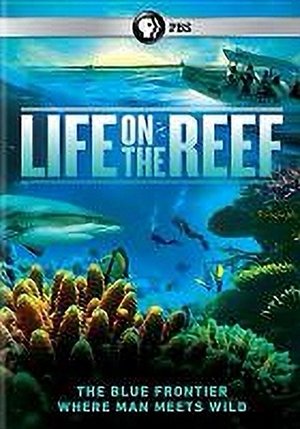
Filmed over the course of a year, this three-part documentary follows those who live in one of the most extraordinary places on the planet, Australia's Great Barrier Reef.
Explore the impact of A.I. and how it is transforming the way we live and work -- both now and in the future, featuring some of the brightest minds in science, philosophy, technology, engineering, medicine, futurism, entertainment and the arts to tell the dynamic story of A.I.