Among the forests and ruins of Madagascar's Berenty Reserve, four gangs of ring-tailed lemurs are locked in a feud over territory, resources, and power... and often the fiercest conflicts are happening within the tribes. This five-part series places you in the heart of "Lemur Island," where half of the world's wild population of lemurs share a fragment of land less than a square mile. Here, battle lines are drawn and crossed, leaders are trusted and tested, and gang members thrive or perish in the harsh extremes of this intense environment.
아프리카의 눈물
Filmed over 5 years and featuring rare and intriguing species this two-part series presents the most complete HD showcase of wildlife in Thailand.
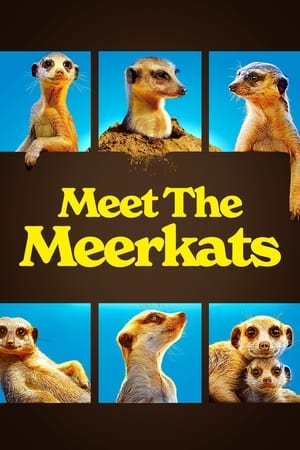
Meet three rescued meerkat families (mobs) who are learning the way of life in the wild for the very first time.
From the vast Gobi Desert to the jungles of Borneo, and from the polar wilderness of Siberia to the coral seas of the Indian Ocean, showcasing the breath-taking variety of Asia's wildest places.
Bill Pullman introduces and narrates this four-part documentary on the world's first national park, Yellowstone.
Constructions animales
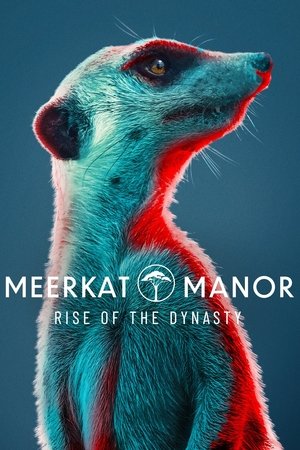
Continuing the compelling saga of the heartstring-tugging, dramatic tale of survival revolving around three families of meerkats who are descendants of the legendary meerkat matriarch, Flower. Neighbors and rivals who share a bloodline are forced to compete for food and resources in an environment that is undergoing a great deal of change: the Kalahari Desert in South Africa.
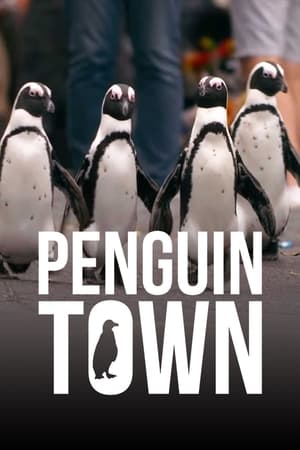
In a picturesque South African town, an eclectic group of endangered penguins flock together to find mates, raise families and mix with the locals.
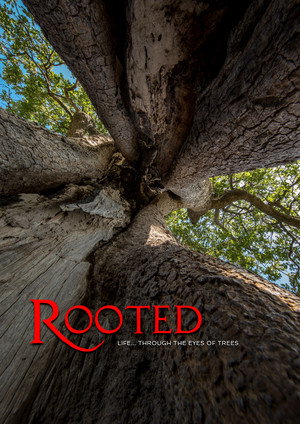
Stories from the perspective of some of the world's oldest living creatures - trees. Each tree is located in a completely unique habitat around the world, and hosts, feeds and shelters an array of animals in its embrace.
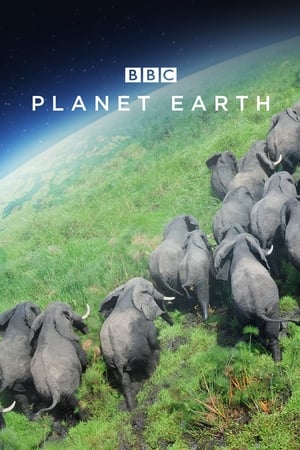
David Attenborough celebrates the amazing variety of the natural world in this epic documentary series, filmed over four years across 64 different countries.
Millions of years ago, incredible forces ripped apart the Earth’s crust creating seven extraordinary continents. This documentary series reveals how each distinct continent has shaped the unique animal life found there.
Chilling tales of survival unfurl in this documentary series that captures the drama, danger and dark beauty of nature from the perspective of its prey.
In this four-part BBC documentary, former Monty Python funnyman and renowned globe-trotter Michael Palin sets off from Gibraltar to travel across the Sahara, his witty humor downplaying the hardships he faces along the arduous journey. He travels to Morocco, Mauritania, Mali and beyond, across some of the harshest terrain on the planet.
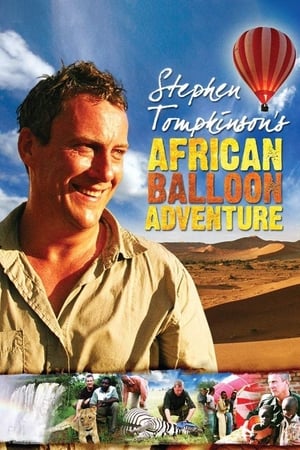
Stephen Tompkinson and hot air balloon pilot Robin Batchelor embark on the journey of a lifetime across the African continent. They experience the amazing abundance and diversity of wildlife and explore the relationship between Africa's game and its people.
Ninja of the Rockies
Kouzlo Afriky
The Earth’s continents are instantly recognizable. These iconic landmasses seem permanent and unchanging, yet they are merely the wreckage of a much larger long-lost supercontinent – Pangaea. In this stunning four part series Professor Iain Stewart uncovers the evidence for this ancient past. He reveals how the world around us is full of clues – in the rocks, the landscapes and even the animals. All of which tell us how the land we live on was created.
Explorer and filmmaker Reza Pakravan has set off on an epic journey along Africa's most volatile and dangerous borders to discover the lives of those who live there.
Written and narrated by Dr. Ali Mazrui in the early 1980s and jointly produced by the BBC and PBS (WETA, Washington) in association with the Nigerian Television Authority. Africa's triple heritage, as envisioned by Mazrui is a product resulting from three major influences: (1) an indigenous heritage borne out of time and climate change; (2) the heritage of eurocentric capitalism forced on Africans by European colonialism; and (3) the spread of Islam by both jihad and evangelism. The negative effects of this history have yet to be addressed by independent African leaders, while the West has tended to regard Africa as recipient rather than as transmitter of effects. Yet Africa has transformed both Europe and America in the past, Mazrui points out, and the difficult situation in which Africa finds itself today (economically dependent, culturally mixed, and politically unstable) is the price it has had to pay for Western development.