The South Bank Show is a television arts magazine show produced by ITV between 1978 and 2010. A new series began on Sky Arts from 27 May 2012. Presented by Melvyn Bragg, the show aims to bring both high art and popular culture to a mass audience.
Dans un cinéma près de chez vous
Shaun Greenhalgh and Dr Janina Ramirez research and remake a selection of precious objects from the past using traditional materials and methods.
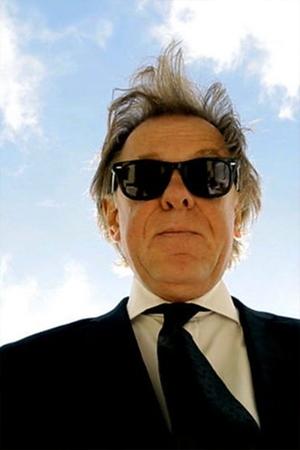
Jonathan Meades scrutinises the 95 per cent of France that Brits drive through and don't notice en route to the 5 per cent that conforms to their expectation
This monthly half-hour series is the work of Akron producer Blue Green, who says, “The goal of the show is to shine a spotlight on all of the good things that Akron has to offer.” Green noted that the city of Akron is a wonderful place in which to live, work, stay and play, but he feels “to truly be a great city, we need our own Akron-based news and local television programming.” Each show consists of four stories, including segments on dining, arts and culture, history, business, and movers and shakers.
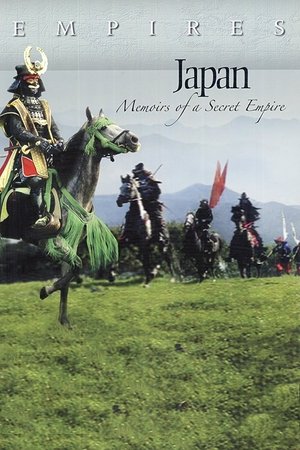
Commanding shoguns and samurai warriors, exotic geisha and exquisite artisans—all were part of the Japanese “renaissance”; a period between the 16th and 19th Centuries when Japan went from chaos and violence to a land of ritual refinement and peace. But stability came at a price: for nearly 250 years, Japan was a land closed to the Western world, ruled by the Shogun under his absolute power and control. Japan: Memoirs of a Secret Empire brings to life the unknown story of a mysterious empire, its relationship with the West, and the forging of a nation that would emerge as one of the most important countries in the world.
Host Peter Barakan delves into various aspects of Japanese culture; exploring practices, history, and modern innovations in such areas as ramen, rice, sushi, geisha, bonsai, and so much more. Local experts discuss their passions at fascinating length, and American Japanophile Matt Alt experiences the food, practices, and cultures in each episode in depth. Viewers will finish each half hour episode with a new understanding of an area of Japanese life through demonstrative videos and explanations, all delivered respectfully and true to the Japanese way of life.
The timeless heart of Japan's ancient capital. Against its rich backdrop of culture and tradition, today's Kyoto continues to innovate and inspire.
Forests cover close to 70 percent of Japan's land area. Japan's climate varies significantly from north to south, making it home to diverse forests. These forests have been an intrinsic part of Japanese culture since time immemorial.
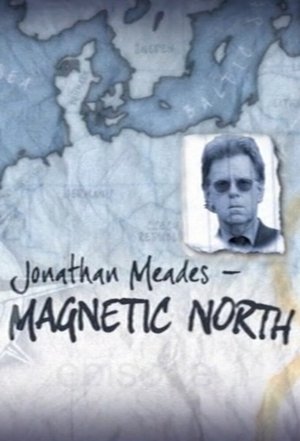
Jonathan Meades travels from the flatlands of Flanders to Germany's spectacular Baltic coast in an attempt to decipher exactly what northernness entails.
When I Get A Minute is a review series for the very busy hosted by two of Australia's most time-poor media personalities Annabel Crabb & Leigh Sales. Join them as they talk about the best & worst.
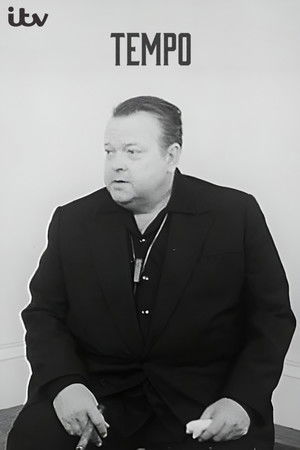
ITV's seminal arts programme, Tempo ran for eight years through a decade which saw a creative explosion within all aspects of the performing arts. Its fluid style of presentation allowed an almost open-ended remit, enabling it to cover subjects as diverse as cinema, music, dance, photography, writing – and much more besides. At a time when television was being criticised for dumbing down, Tempo – more than any other series – showed that ITV could indeed go highbrow whilst still remaining populist – a philosophy and outlook that was to continue into the 1970s and beyond with its successors Aquarius and The South Bank Show.
Based on the novel of the same name by Aliya Bukhari, Deewar-e-Shab tells the story of three generations of courtesans' day-to-day struggles in the previously lively Sitara Mahal.
A BBC TV cultural review show featuring celebrity interviews.
A follow-up to the 1990 Radio 4 series in which the late Douglas Adams and Mark Carwardine travelled around the world in search of endangered species. 20 years later Stephen Fry and Mark Carwardine go back to see what has become of the animals in two decades, and to discover what has affected their fortunes.
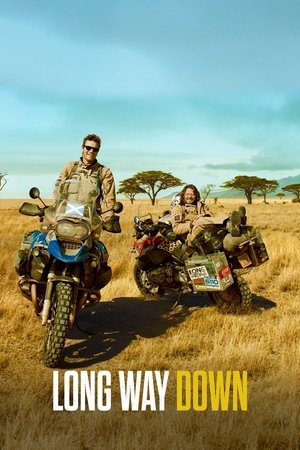
Charley Boorman embarks on an adventure in Sydney and travels up the Pacific Rim through Australia, Papua New Guinea, Indonesia, the Philippines and Taiwan, eventually finishing in Tokyo, Japan.
In the series James Rolfe, known for his role as Angry Video Game Nerd, reviews a horror movie in every single day of October.
Built for the Kill is a nature series made by Granada Wild for the National Geographic Channel. It was made from 2001–2004, with a total of 31 episodes. Each episode runs for approximately 48 minutes including the credits and opening titles. Episodes of Built For The Kill cover a topic or habitat for predatory animals, such as "Coral Reef" or "Packs". If the episode is the name of a Habitat, the episode will feature predators from that environment. If the episode's name is something like "Jaws" or "Packs", it will feature predators who utilize the name of the episode. Built For The Kill uses a graphical approach to catch the audiences attention, often showing inner workings of the predatory animals by using diagrams. Some effects seen are used to show the audience what they can't really see, but is there. This graphical approach to a nature documentary makes Built for the Kill very interesting to watch. Built for the Kill's classic opening was a montage of creatures featured in the first 7 episodes with a catchy theme song. This opening was changed further into the series to one that shows the National Geographic logo in various parts. The theme song stayed the same however.
Surviving Disaster is unlike any other series on television, as it may actually save a life. What's the best way to survive an earthquake, home invasions, plane hijacking, bioterrorism, hurricane, or even a nuclear attack? Navy SEAL Cade Courtley vividly takes viewers through catastrophic scenarios and arms them with the knowledge needed to survive the unthinkable.
Around the World in 80 Days is a British travel documentary series made to support the annual BBC Children in Need charity appeal in 2009. It sees twelve celebrities attempt to circumnavigate the globe in eighty days without using air transport, recreating the journey of Phileas Fogg and Michael Palin. Like Fogg and Palin, the journey begins and ends at the Reform Club in London. It was first shown on BBC One and BBC HD in October and November 2009.