Bettany Hughes take viewers on armchair travels to explore household-name treasures and new finds from across the world.
Covering the ancient world through the age of technology, this illustrated lecture by Eugen Weber presents a tapestry of political and social events woven with many strands — religion, industry, agriculture, demography, government, economics, and art. A visual feast of over 2,700 images from the Metropolitan Museum of Art portrays key events that shaped the development of Western thought, culture, and tradition.
Survivors and witnesses recall March 11 2011 - when Japan was hit by a devastating tsunami of 40-foot waves, killing 20,000 and triggering a nuclear meltdown.
The terrorist hijackings and destruction of the Twin Towers were a defining moment in human history. Nearly 3,000 people were killed, triggering the war on terror and changing the way we live today. Rescue workers, survivors and witnesses relive the traumatic events of 9/11, some telling their story for the first time.
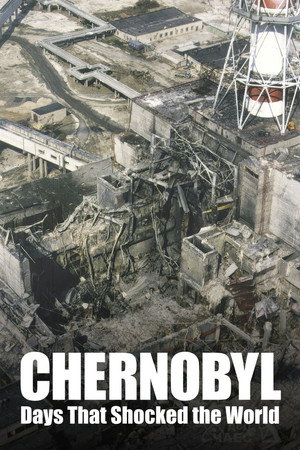
The Chernobyl meltdown remains the world’s worst nuclear accident. Today, the disaster still haunts survivors, while the clean-up operation will continue for another 40 years.
Jonathan Roberge dives into the world of Montréal crime during the 1957-1977 period, when the city saw a prolonged war between the police and bank robbers.
Thirties in Colour: Countdown to War takes black-and-white films from the era and colourises the footage, bringing the past vividly back to life.
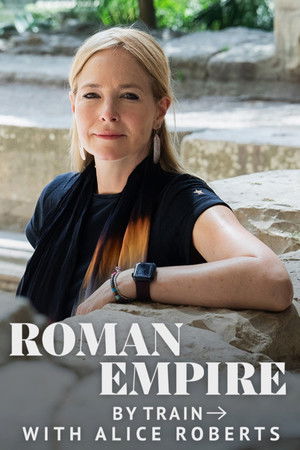
Alice embarks on her most ambitious journey to date, in search of the Roman Empire, travelling 1300 miles through Italy, France and Spain to discover the origins and secrets of Rome’s success.
Invitation Au Voyage (titled *Stadt Land Kunst* in German) is a television program hosted by Linda Lorin; it has aired on Arte every weekday at 5:40 PM since March 13, 2017. It is a cultural travel show that explores various locations—both near and far—centered around three specific destinations. Additionally, a special Saturday edition at 4:30 PM offers a getaway to discover a particular city, region, or country.
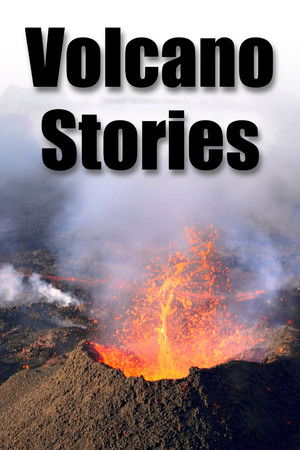
No two volcanoes are alike; each one has its own distinctive landscape, climate, and geological context. Just as unique are the people we meet along the way who help us comprehend how greatly our planet – and our lives – have been shaped by volcanic phenomena. For the scientific aspect of each episode, we explore the very diverse range of questions raised by volcanic phenomena in such varied fields as earth sciences, climatology, biodiversity, oceanography, geography, agronomics, and archaeology. The cultural part of the show delves into mythology, religion, philosophy, folk and artistic traditions, cooking, and ways of life.
Line of Fire
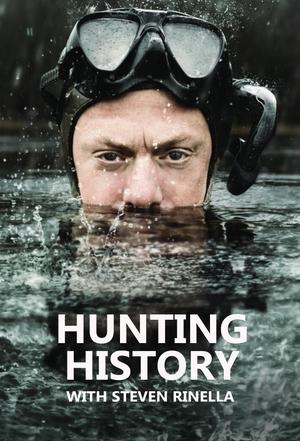
Join world-renowned outdoorsman and author Steven Rinella as he dives into history’s greatest and most perplexing wilderness mysteries. With his deep knowledge of the wild, survival expertise, and unyielding curiosity and grit, Steve is uniquely positioned to look at these mysteries through a totally new lens, examining how people’s interactions with their environment may rewrite the narrative on some of our most iconic legends.
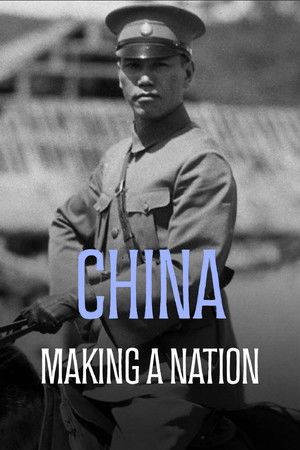
China: The Making of a Nation is the story of the painful transformation of the vast Qing Empire into the Chinese nation after the 1911 revolution. Spanning more than a century up to the Xi Jinping era, the story pits the two pivotal leaders of this transformation against each other: Chiang Kai-shek, leader of the Republic of China for 47 years, and Mao Zedong, who rose from ‘red bandit’ to master of the mainland in 1949. Sworn enemies, they fought a merciless battle: first military, then diplomatic, and finally, beyond their deaths, in the conflicting memories of the Taiwanese and the Chinese of the People's Republic. Beyond their fierce hatred, the two tyrants also had much in common: a certain vision of Chinese territory and the greatness of China, the desire to regain the country's sovereignty and the quest for a Chinese identity in a nation that also includes Tibetans, Uighurs, Mongols... and a certain ability to rewrite history.
Tony Blair is one of Britain's most successful and controversial leaders. With unprecedented access, including Blair and family, this series charts his meteoric rise to power. And what happened next. Featuring an in-depth interview with Tony Blair himself, his story is also told through those who knew him best – friends, allies, and opponents. Peeling back the layers of political spin and tabloid sensationalism, the programme offers a fresh perspective on the man who transformed the Labour Party and reshaped Britain. The series goes beyond the headlines to explore the key moments that shaped Blair’s leadership, providing a gripping insight into one of the most influential Prime Ministers of the modern era.
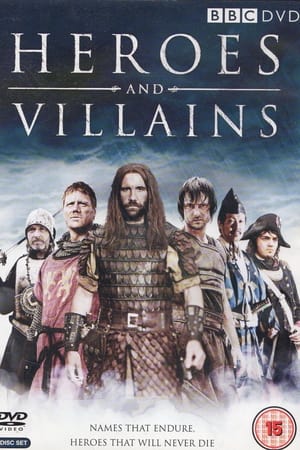
Heroes and Villains was a 2007-2008 BBC Television docudrama series looking at key moments in the lives and reputations of some of the greatest warriors of history. Each hour long episode featured a different historical figure, including Napoleon I of France, Attila the Hun, Spartacus, Hernán Cortés, Richard I of England, and Tokugawa Ieyasu. The statements at the beginning of each episode read: "This film depicts real events and real characters. It is based on the accounts of writers of the time. It has been written with the advice of modern historians." In the United States the show is aired on The Military Channel and was called "Warriors".
Constructing Australia
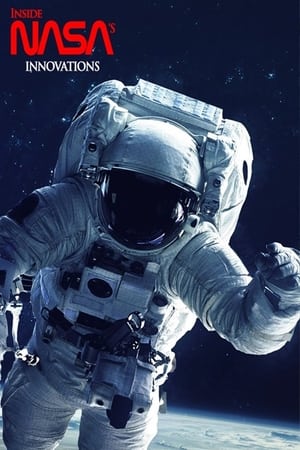
Inside NASA's Innovations takes you behind the scenes with one of the world's leading technology innovators. Find out what it takes to collaborate with NASA in developing the next breakthrough in space exploration.
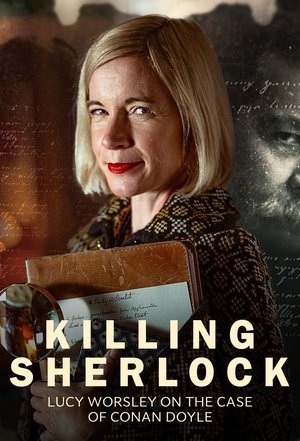
This is the story of a power struggle between two men - one fictional, and one real. In one corner is the master of crime – the greatest detective who never lived, Sherlock Holmes. In the other is writer, physician and spiritualist leader Sir Arthur Conan Doyle. Lucy Worsley explores the extraordinary love-hate relationship between author and creation.
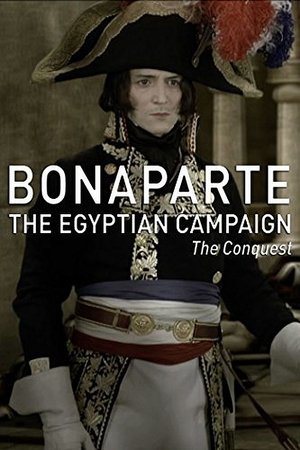
In the spring of 1798, Napoleon set out with 38,000 men and 10,000 sailors to conquer Egypt.
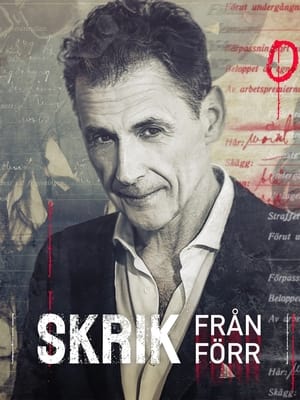
Renowned author and journalist David Lagerkrantz, along with historians, forensic scientists and investigators, sheds new light on Swedish murders in the past.