Roaming South Luangwa National Park in Eastern Zambia following three wild dog packs during the dry season, capturing their triumphs and disasters during the toughest time of year in this world-famous wildlife sanctuary.
David Attenborough embarks on a remarkable 500 million-year journey revealing the extraordinary group of animals that dominate our world, and how their evolution defines our human bodies.
Jackass stars Chris Pontius and Steve-O travel the globe to places like India, Mexico, Africa, Thailand, Argentina, Thailand, Argentina, for a nature show with a Jackass twist.
Nigel Marven's Shark Island
Set in Tampoi, Johor (near Johor Bahru), Keluang Man made his first appearance in an alley where a man is trying to rob a girl. Since then, Keluang Man has been media's most wanted. Keluang Man's real name is 'Borhan' and he is actually one of the mental patients in Tampoi Mental Hospital. The hospital security makes it hard for Keluang Man to act during daylight, so he decided only to fight for justice at night.
See It Now is an American newsmagazine and documentary series broadcast by CBS from 1951 to 1958. It was created by Edward R. Murrow and Fred W. Friendly, Murrow being the host of the show. From 1952 to 1957, See It Now won four Emmy Awards and was nominated three other times. It also won a 1952 Peabody Award, which cited its
Coast Australia follows renowned Scottish archaeologist and historian Neil Oliver on his very first trip to Australia, as he and a diverse group of co-hosts gather stories about our spectacular coastline: the history, the people, the archaeology, the geography and the marine life, investigating interesting and little known facts along the way. Oliver’s co-hosts, all experts in their field, are journalist and Australian arts and culture specialist Miriam Corowa, environmentalist Professor Tim Flannery, marine scientist Dr Emma Johnston, anthropologist Dr Xanthe Mallett and television presenter and landscape architect Brendan Moar.
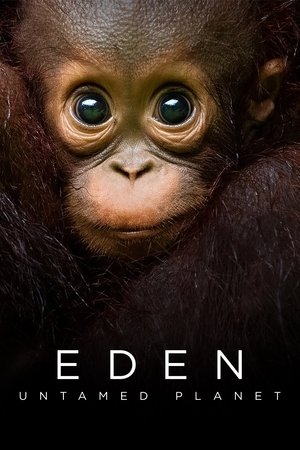
Explore six of the last untouched locations on earth. The documentary series presents life as nature intended, following the unique way wildlife has adapted to these environments and continues to rise to new challenges over the course of a year.
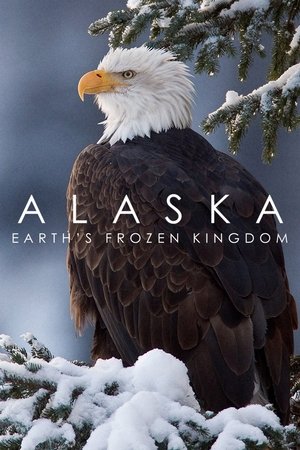
Three-part series that looks at a year in Alaska, revealing the stories of pioneering Alaskans, both animal and human, as they battle the elements and reap the benefits of nature's seasonal gold rush.
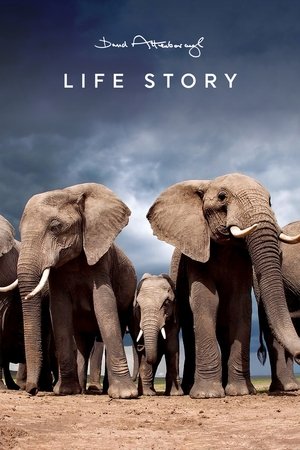
The remarkable and often perilous story of the journey through life. It is a story that unites each of us with every animal on the planet, because we all set out on this journey from the moment we are born. For animals there is just one goal in life – to continue their bloodline in the form of offspring. This series follows that journey through its six crucial stages: first steps, growing up, finding a home, gaining power, winning a mate and succeeding as a parent.
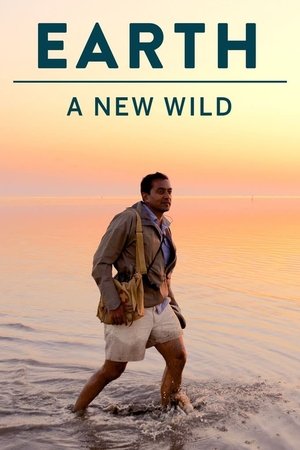
A fresh look at humankind’s relationship to the planet’s wildest places and most fascinating species. Using advanced filming techniques, this series will provide visuals as stunning as the best natural history programs. Distinguishing itself from nearly all other nature films, however, the series turns the cameras around, showing the world as it really is—with humans in the picture.
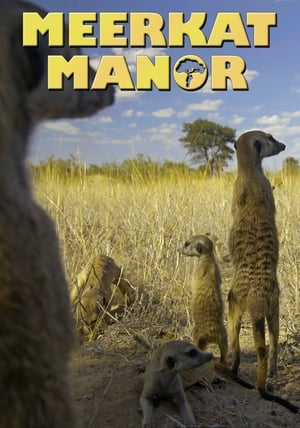
Meerkat Manor is a British television programme produced by Oxford Scientific Films for Animal Planet International that premiered in September 2005 and ran for four series until its cancellation in August 2008. Blending more traditional animal documentary style footage with dramatic narration, the series told the story of the Whiskers, one of more than a dozen families of meerkats in the Kalahari Desert being studied as part of the Kalahari Meerkat Project, a long-term field study into the ecological causes and evolutionary consequences of the cooperative nature of meerkats. The original programme was narrated by Bill Nighy, with the narration redubbed by Mike Goldman for the Australian airings and Sean Astin for the American broadcasts. The fourth series, subtitled The Next Generation, saw Stockard Channing replacing Astin as the narrator in the American dubbing.
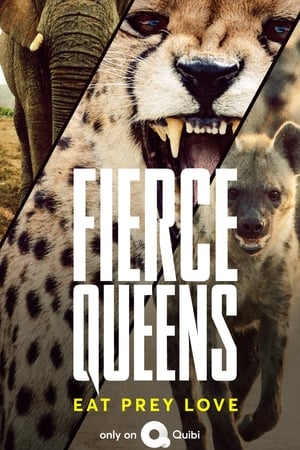
Explore phenomenal female animals: the rebel matriarchs, powerful leaders and dangerous lovers of the natural world.
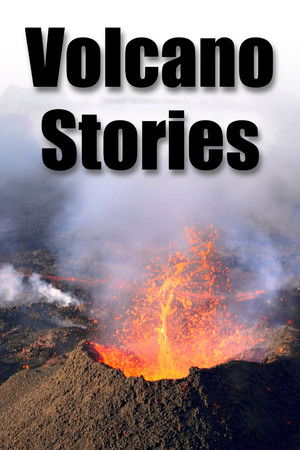
No two volcanoes are alike; each one has its own distinctive landscape, climate, and geological context. Just as unique are the people we meet along the way who help us comprehend how greatly our planet – and our lives – have been shaped by volcanic phenomena. For the scientific aspect of each episode, we explore the very diverse range of questions raised by volcanic phenomena in such varied fields as earth sciences, climatology, biodiversity, oceanography, geography, agronomics, and archaeology. The cultural part of the show delves into mythology, religion, philosophy, folk and artistic traditions, cooking, and ways of life.
A journey like no other, full of risk and reward. David Attenborough tells stories of dedication, ingenuity and sacrifice as animals embark on an epic challenge – being a parent.
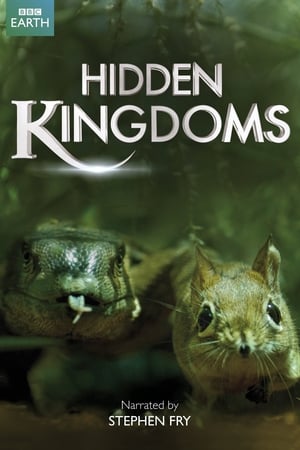
Immerse yourself in the lives of extraordinary characters that stand a few inches tall. From chipmunks to mice, be entertained and spellbound by the creatures that call the Hidden Kingdoms home.
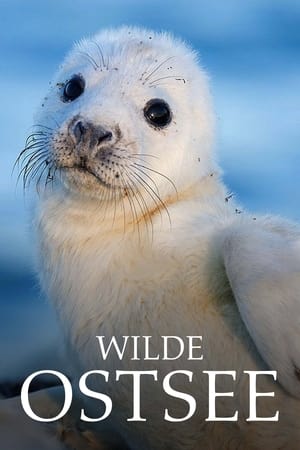
The nature of the Baltic Sea offers many surprises as demonstrated in the three-part series Wild Baltic Sea. From the Northern most tip of Denmark to the Curonian Spit, from the Estonian island world to the Bay of Bothnia. For the first time bottlenose dolphins and a Sowerby's beaked whale could be filmed in the Baltic Sea.
Nigel heads to China to learn about giant pandas for his latest adventure. He visits the beautiful reserves the pandas inhabit, before heading into the wild to achieve his ambition of being the first presenter to be filmed with a giant panda in its native habitat. He is also astonished to witness a brown panda cub, one of only five known to science. Along his journey Nigel meets the other amazing creatures that live in the bamboo forest, including naughty macaques, golden snub-nosed monkeys and fluffy bamboo rats. He also feeds adorable red pandas, distant relatives of the giant panda.
In each episode, geologist Iain Stewart describes how a certain geological force played a determinant part in human history. Culture may render people less dependent on nature, it still interacts with it, and actually increases the importance of such natural resources as minerals and fossil fuels.
Immersive audio reveals the unexpected, unfamiliar, and untold ways in which animals communicate around the world.