Jules
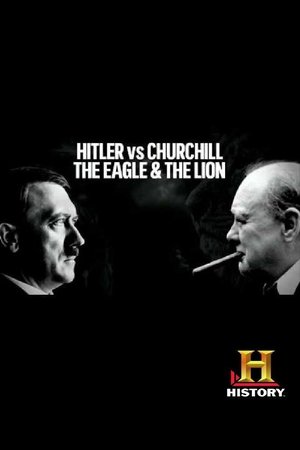
A documentary which explores the remarkable parallels between the careers of Adolf Hitler and Winston Churchill, as well as their personal rivalry and animosity.
The story of how women have fought their way into the world of sport, an arena jealously guarded by men.
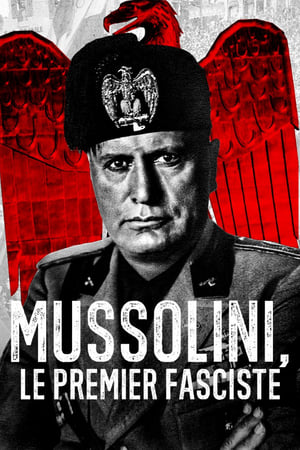
Mussolini seized power in Italy in 1922, after his March on Rome. He would hold it in his grasp until his death in 1945, establishing a dictatorship that lasted more than 20 years. Long considered a buffoon and a second-rate dictator, Il Duce invented fascism that was imitated by Hitler, who viewed the Italian as his political master. He wanted to transform his country into a warrior nation and promised Italians a return to the grandeur of the Roman Empire. He governed by violence and trickery and was one of the first populist leaders of modern times, leading his country into the catastrophe of the World War II. But who was Mussolini, this former teacher who came from the extreme left to become a newspaper editor and creator of the Fascist Party? Why did he ally himself with Hitler? Were the Italians really behind him? With archives and interviews with the last-surviving witnesses of the era, this portrait takes a look back at one of the most notorious dictators of the 20th century.
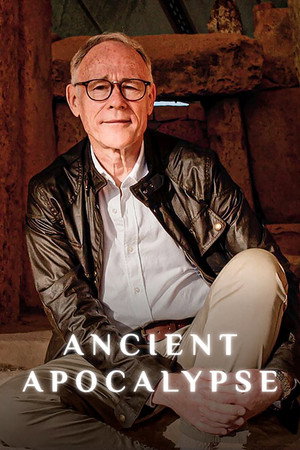
Journalist and writer Graham Hancock travels the globe hunting for evidence of mysterious, lost civilizations dating back to the last Ice Age. He attempts to prove that a climatic event 12,000 years ago wiped out an entire civilization far more sophisticated than the simple hunter-gatherers some archaeologists believe lived at that time.
Adolf Hitler: Decoding a Dictator
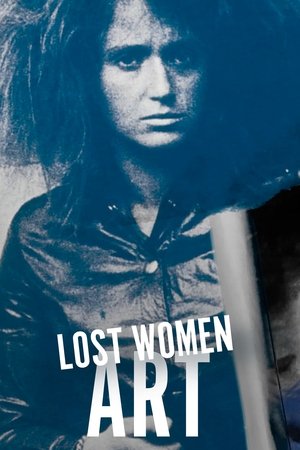
Women write art history – but in turn are systematically ignored by it. LOST WOMEN ART tells the story of the suppressed female avant-garde and by doing so introduces a new art history.
Aux frontières de l'Histoire - La France
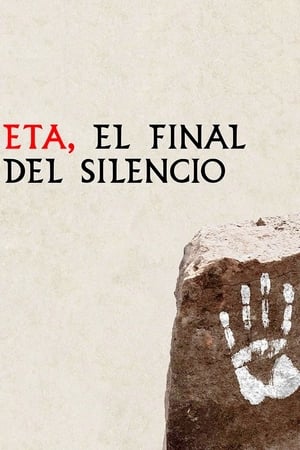
On June 7, 1968, ETA assassinates José Pardines, a Guardia Civil officer. On May 3rd, 2018, a communiqué from the terrorist gang announces the dissolution of its structures. Fifty years of terror, fear, pain, truces, negotiations and 826 deaths lie between the two dates.
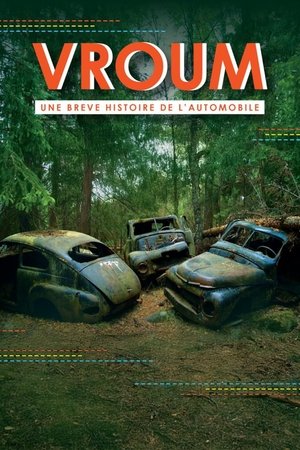
Our cities, transformed a mere century ago to accommodate cars, now want to rid their streets of them. Countries go to war over fuel shortages, and automobiles are at the core of a global ecological crisis. Today, the history of automobile has hit its climax. How did we get here? How did the invention of a single machine reorganize how we work, revolutionize our lifestyles, transform our landscapes, trigger global crises and wreak havoc with the equilibrium of our planet? This documentary series explores the creation and meteoric development of an unprecedented object - the automobile - and its role in mankind’s wild race toward progress.
Etiquetados
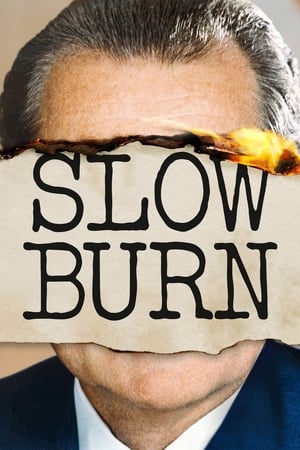
In this adaptation of the award-winning podcast, Slow Burn’s Leon Neyfakh excavates the strange subplots and forgotten characters of recent political history—and finds surprising parallels to the present.
Survivors of Soviet totalitarianism warn that “soft totalitarianism” is emerging in the U.S. Identity politics, censorship, surveillance, and secularism are encroaching on freedoms. Many American Christians fail to see the threat. Based on Rod Dreher’s book, Live Not by Lies explores these dangers and offers a wake-up call for thoughtful, faithful resistance against the erosion of liberties.
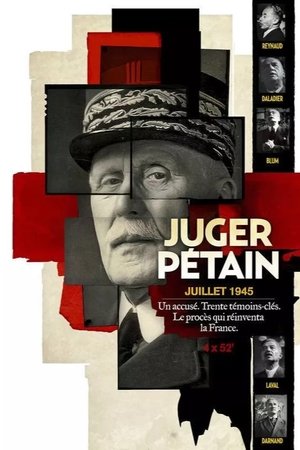
Juger Pétain
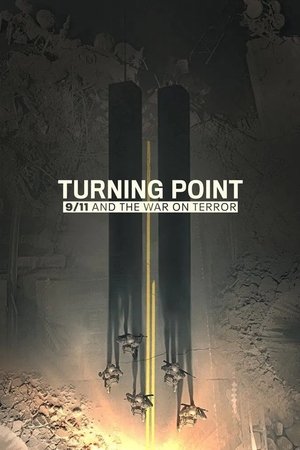
Modern history can be divided into two time frames: before 9/11 and after 9/11. This five-part docuseries is a cohesive chronicle of the September 11, 2001 attacks on the U.S., offering illuminating perspectives and personal stories of how the catastrophic events of that day changed the course of the nation.
Despite decades of research, many mysteries remain about the ancient Maya. Now, archaeologists are unearthing new clues that transform long held ideas about how these people came to dominate vast areas of Mexico and Central America. Through immense lost monuments, ancient inscriptions and new forensic evidence, this series tracks the Maya from their earliest origins all the way to the present day, unlocking the dark secrets of the rise and fall of the Maya.
A multimedia course for secondary school and college teachers that examined global patterns through time, seeing history as an integrated whole. Topics were studied in a general chronological order, but each is observed through a thematic lens, showing how people and societies experience both integration and differences.
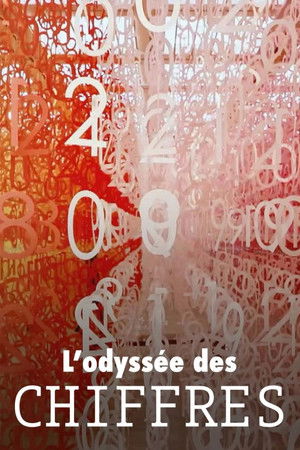
The history of our modern Indo-Arabic numeral system begins in Mesopotamia, leads through India to the Arab world – and from there around the globe. This three-part series explores how the "Arabic numerals" began their triumphant march and the special role that zero played in this process. From its beginnings to modern computer science – today, numbers are the universal language of the world.
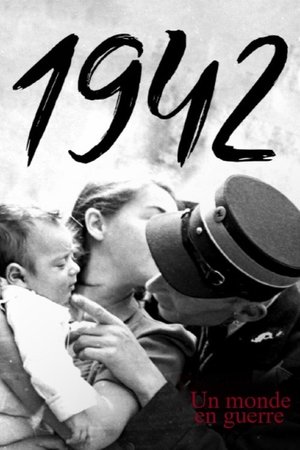
1942, un monde en guerre
L’or : luxe, épopées et légendes