Using witness testimony, archive and archaeological evidence, this three-part series reveals the untold story of the preparations to defend World War Two Britain by the Home Guard.
Constructing Australia
In the spring of 1798, Napoleon set out with 38,000 men and 10,000 sailors to conquer Egypt.
The three-part series tells the story of British architects Richard Rogers, Norman Foster, Nicholas Grimshaw, Michael Hopkins and Terry Farrell.
The specter of drug trafficking haunts Europe. Struggling with ultra-violent criminal groups that control the vast majority of cocaine trade, European police forces are overwhelmed. The epicenter of all this trafficking: the Netherlands. A nation at the forefront of international trade and drug policy. This two-part film delves into the origins of European drug trafficking through the unique history of the Kingdom of the Netherlands.
Inside NASA's Innovations takes you behind the scenes with one of the world's leading technology innovators. Find out what it takes to collaborate with NASA in developing the next breakthrough in space exploration.
This is the story of a power struggle between two men - one fictional, and one real. In one corner is the master of crime – the greatest detective who never lived, Sherlock Holmes. In the other is writer, physician and spiritualist leader Sir Arthur Conan Doyle. Lucy Worsley explores the extraordinary love-hate relationship between author and creation.
About Adolf Hitler's time in Germany. On January 30, 1933, Adolf Hitler was appointed Chancellor of Germany and his tenure in power lasted for more than twelve years. It began with a standing ovation and ended after a world war in which 50 million people were killed.
Empire is a major five-part series presented by Jeremy Paxman. It tells the story of the British Empire in a new way, tracing not only the rise and fall of the empire but also the complex effects of the empire on the modern world – political, technological and social – and on Britain.
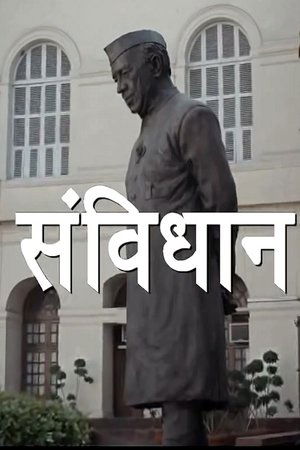
How the constitution of the largest Democratic Republic in the world was created.
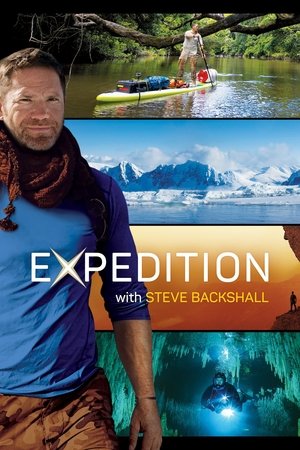
The naturalist visits uncharted territory in pursuit of new discoveries. Steve Backshall takes on physical challenges, encounters extraordinary wildlife and meets remarkable people.
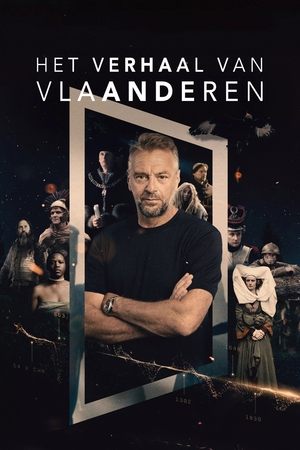
In this documentary series, interspersed with historical reconstructions, Tom Waes investigates what has happened since the arrival of the first Homo sapiens, on the 14,000 square kilometers that we today call Flanders.
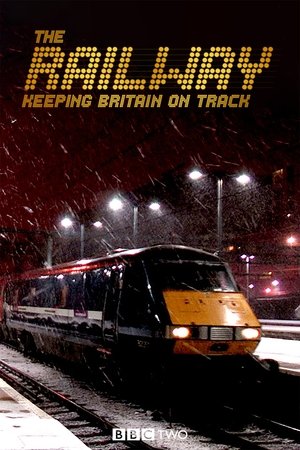
Documentary series revealing the inner workings of Britain's railways, introducing the track-workers, train guards, drivers, police officers and management teams determined to keep the country moving.
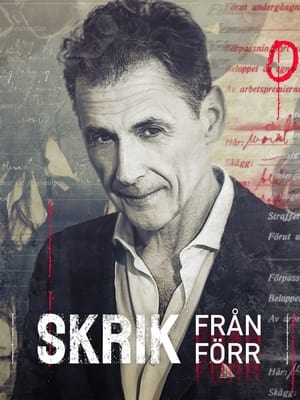
Renowned author and journalist David Lagerkrantz, along with historians, forensic scientists and investigators, sheds new light on Swedish murders in the past.
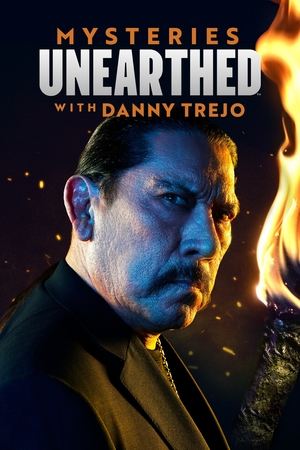
From dangerous explosives and deadly curses that put everyday people at risk, to treasures found in the unlikeliest of ways, each episode digs into the people, the places and historical significance of these discoveries. And sometimes just being in the right place at the right time can make history…because nothing stays hidden forever.
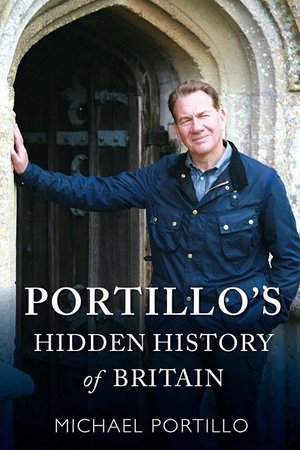
Portillo's Hidden History of Britain sees former UK politician Michael Portillo investigating abandoned buildings around Britain.
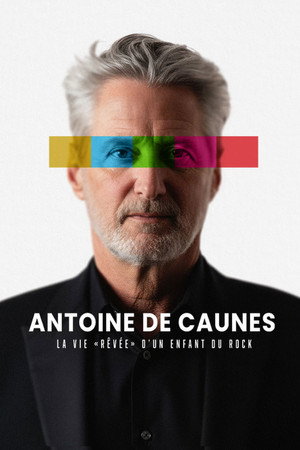
Documentary on Antoine de Caunes, a French television presenter, comedian, actor, journalist, writer and film director.
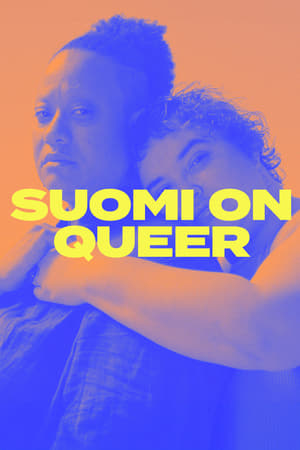
Finland is Queer - Queer history of Finland
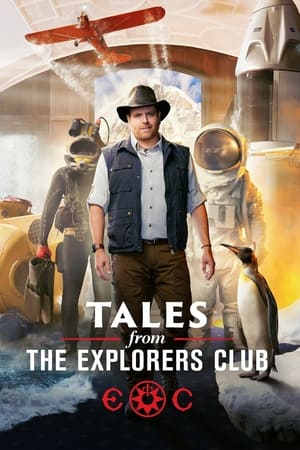
At the world-famous Explorers Club, a gathering place for trailblazers, club member Josh Gates recounts the greatest adventures of all time.
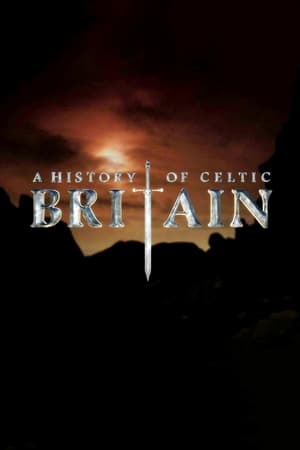
In four chapters, largely based on and illustrated with archaeological finds and sites, Neil Oliver explains how, as far as is known, the Iron Age Celtic tribes known as the Ancient Britains evolved and entered European civilization. Their internecine tribal phase was warlike and partitioned. Overseas contacts, especially metal trade, brought wealth and progress. Ultimately, it attracted the superior Roman empire, which would conquer and pacify Britain into a province, like Gaul shortly before, but Caesar's invasion wasn't the definitive annexation yet, that was left to emperor Claudius; even afterward some Celtic traits and even rebellions remained.