Happy Camp is a Chinese variety show produced by Hunan Broadcasting System. The series debuted in 1997, and has remained in production since then due to its popularity. The show was hosted by the Happy Family: He Jiong, Li Weijia, Xie Na, Du Haitao, and Wu Xin. Happy Camp is one of China's most popular shows, with a viewership of tens of millions.
The Artist, les primes
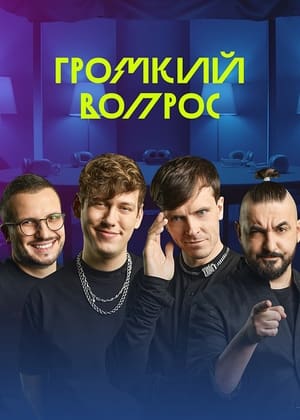
Громкий вопрос
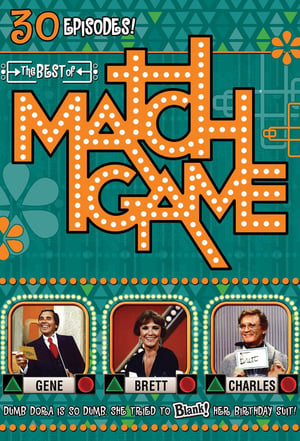
In this panel game show, contestants try to match answers given by six celebrities to humorous and often risque fill-in-the-blank questions.
Wizarding World fans put their Harry Potter knowledge to the test for the ultimate honor to be named House Cup champion.
A weekly, topical panel show based around a huge series of opinion poll surveys carried out around Britain.
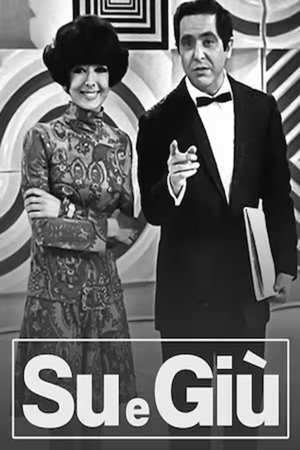
Su e giù
Blockbusters is a British television game show based upon the American game show of the same name in which contestants answer trivia questions to complete a path across or down a game board of hexagons.
Games World was an entertainment video games show that was broadcast on Sky One each weekday from 1 March 1993–2 October 1998. The overall concept of Games World was similar to GamesMaster.
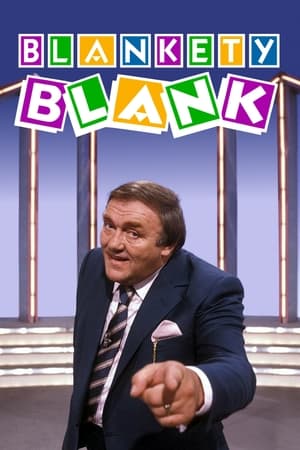
Blankety Blank is a British comedy game show based on the 1977–1979 Australian game show Blankety Blanks. The British version ran from 18 January 1979 to 12 March 1990 on BBC One, hosted first by Terry Wogan and later by Les Dawson. Regular members of the celebrity panel on this version included Kenny Everett, Lorraine Chase, Gareth Hunt, Gary Davies, and Cheryl Baker. A revival fronted by Lily Savage was produced by the BBC from 26 December 1997 to 28 December 1999, followed by ITV from 7 January 2001 to 10 August 2002. This version was produced by Grundy, then Thames.
50/50 was a British children's game show that was broadcast on BBC1. It was broadcast from 7 April 1997 to 12 July 2005. Two schools in the UK put forward 50 students, each child given a number from 1–50 which they wear during the show, before each round a random number generator picks which students will take part in the next game. The t-shirt colours were originally green and orange but this was changed to blue and yellow. They sit opposite each other in raised seating while the game takes place in between them. Most of the children will not get an opportunity to play in a game, but there are question rounds and observation rounds where points are won by the number of correct answers. The games usually consist of inflatable obstacle courses similar to those found in Get Your Own Back, Fun House and Run the Risk.
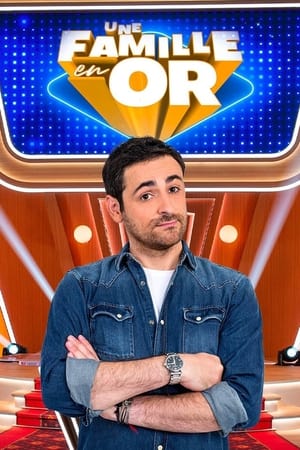
French adaptation of the popular American game show.
Hosted by comedian Christopher Titus, the half-hour game show Pawnography features contestants competing against each other and the Pawn Stars—Rick Harrison, Corey Harrison and Austin “Chumlee” Russell—in three fast-paced rounds of trivia style questions to win money and coveted items from the World Famous Gold & Silver Pawnshop. Rick, Corey and Chumlee are featured in each episode vigorously defending their treasured items from confident and brainy contestants. The cherished items up for grabs are from Rick’s personal collection and he doesn’t want to give them up–this is the only game show that doesn’t want the contestants to win! Will a lucky contestant be able to stump the man who knows everything or will Rick prevail and walk away with his money in his pocket and his prized possessions intact?
A game show based on the Carmen Sandiego computer game series created by Brøderbund Software.
Værtens Bedste Brætspil
Mais où se cache Carmen Sandiego ?
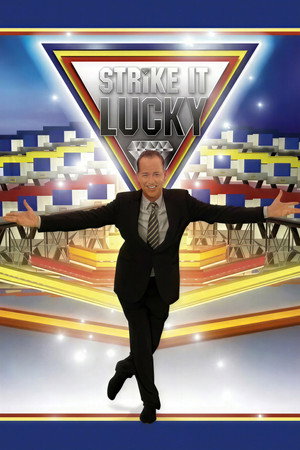
Strike it Lucky was a popular British television game show from 29 October 1986 to 23 August 1999, originally produced by Thames Television for ITV, and presented by the British comedian Michael Barrymore. It was based on the American show of the same name that aired in 1986. In its formative years, it became well known for the outlandish and often highly eccentric contestants it featured - Barrymore would often spend over 5 minutes talking to them. The introductory footage of the prizes on offer were also noteworthy, often filmed in black-and-white with a slapstick style. In 1987, it was the fifth most watched programme on UK television. The Thames Television version of the show was recorded at Teddington Studios, and later Pinewood Studios. From 1996, the new version aired under the title Strike it Rich!; this being the title of the short-lived American game show Strike it Rich! on which it was based, and it moved to The London Studios. The reason for the name change was that the show was now being co-produced by LWT with Fremantle, so despite now being owned by the same company as Fremantle, Thames were unwilling to allow LWT use of the original title. There is also the factor that when the show was first exported to the UK, the Independent Broadcasting Authority's prize limits were still in place, and "Rich" was probably dropped from the title because of the relatively low value of prizes on offer; by the time it returned as Strike it Rich! the limits had been lifted and it was giving away a substantially higher value of prizes.
A contestant must choose from 26 sealed briefcases containing a marker for various amounts of cash from one penny to $1 million. The player then eliminates the remaining 25 cases one by one. The chosen ones are opened and the amount of money inside revealed. After several cases are opened, the player is tempted by the Banker to accept an offer of cash in exchange for not continuing the game and possibly winning a larger sum of money.
Rischiatutto
Bullseye is an American game show that aired in syndication from September 29, 1980 to September 24, 1982. Jim Lange was the host, and the program was produced by Jack Barry and Dan Enright. Jay Stewart was the announcer for the first season, and Charlie O'Donnell announced for the second season. The series' executive producer was Ron Greenberg.