May 10th, 1940, Hitler takes on the West. Will he precipitate Europe into the Apocalypse?
Der Rhein-Ruhr-Ripper Frank Gust
Jenke. Zeitreise.
Wendezeit – Rückblick auf den Mauerfall
A five-part documentary that portrays the eventful history of Berlin after 1989, with a special focus on the various groups that have claimed the city for themselves - and in some cases still do.
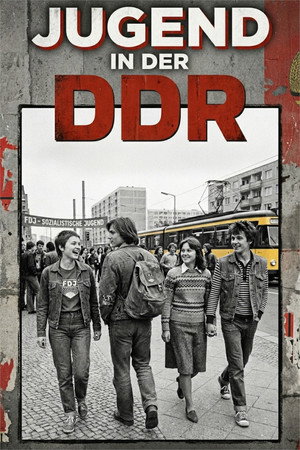
It showcases ingenious GDR-era inventions and celebrates the clever ideas of everyday life and research, featuring reflections from notable figures who remember their childhood in East Germany.
High tension in the Alpine foothills: real emergencies, tough decisions, strong stories. „The Lifesavers of Murnau“ shows medicine where it counts – told directly, closely and intensely. The series that follows the daily work of emergency physicians, nurses, and rescue teams at BG Unfallklinik Murnau, one of Germany’s leading trauma hospitals located in the Bavarian Alps. Showing real emergency cases — from rescue operations in the mountains and severe traffic accidents to intensive care treatments, complex surgeries, and rehabilitation. With close-up footage from bodycams, drones, and cameras inside the trauma room, viewers experience how the medical teams handle life-threatening situations with precision and compassion.
22. Juli - Die Schüsse von München
Terra X - Deutschland von oben
Die Milliardenjagd
Germany loves biathlon – and you’ve never been this close to the stars. The documentary series accompanies them through a dramatic year and shows tears, pressure, and emotional moments from the inner workings of the team. It tells of fierce competition and the struggle to return to the top of the world in 2024/25. The camera is there when there are arguments, laughter, and celebrations behind the scenes – as in the case of Franziska Preuß’s spectacular overall World Cup title.
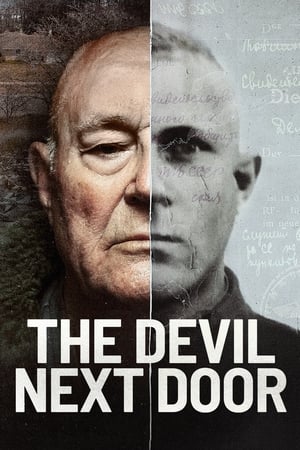
A Cleveland grandfather is brought to trial in Israel, accused of being the infamous Nazi death camp guard known as Ivan the Terrible.
Auf Fritzis Spuren – Wie war das so in der DDR?
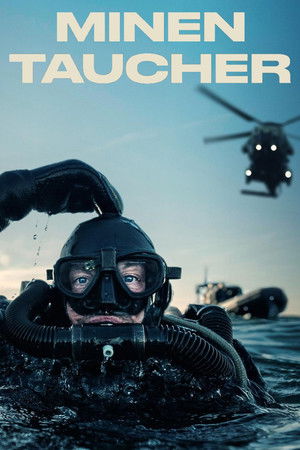
The six-part documentary series follows a training course for mine clearance divers – a specialized unit tasked with finding and defusing mines. Eleven men undergo a grueling training program: freediving to the point of near unconsciousness, deep dives, forced marches, weeks at sea, and helicopter jumps from a height of ten meters into the Baltic Sea. While the instructors meticulously record every mistake, the trainees struggle with cold, exhaustion, and self-doubt. The series reveals their motivations, their courage, and their determination to assume responsibility in a tense global situation.
Inside HVA
Julia Bradbury takes her boots and backpack to the Continent to explore the landscape of Germany and the cultural movement that made it famous - Romanticism
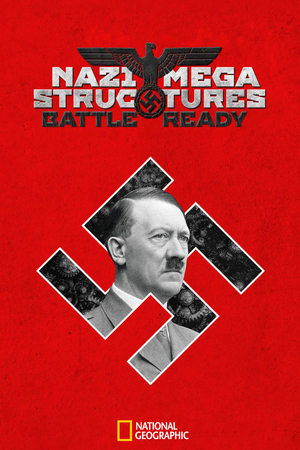
Historian James Holland goes inside the Nazi war machine, exploring the extraordinary weapons produced under the Third Reich, in a series that includes rare archive material
"Talent" Chip Tsao went to London, Greenwich, Wales, Oxford, Cambridge, England, to analyze the British people's living habits, academic development, economic conditions, etc .; and went to Warsaw, Gdansk, Krakow to know a country with a hundred years of blood and tears. Eason Chan visited Tokyo, Kyoto, Osaka, and Fukuoka in Japan to learn about the cultural differences; Social worker Shiu Ka-chun went deep into Finland's Turku, Helsinki, Nokia and other places to experience the local customs through living with locals. They will introduce the details of each famous city from a social, historical, and cultural perspective, bringing different connotations, depths, and education.
A close look at the engineers who designed powerful military technology for the Nazis and who also encouraged a technological revolution that would forever change warfare.
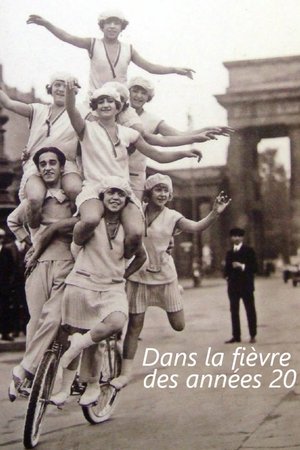
A century ago, the world experienced a revolution in mobility. Cities like Berlin grew rapidly, with the Graf Zeppelin soaring over the city in 1928, sparking excitement for airship travel. These majestic airships made ocean crossings faster and more luxurious, and even enabled polar expeditions. At the same time, automobiles and motorcycles became staples for many, although streets became congested. Women like Amelia Earhart and Elly Beinhorn broke barriers in aviation, inspiring new possibilities for both genders in the field of technology. While air travel grew in popularity, trains remained the main long-distance transport. The era also saw an explosion of new mobility options, with faster, cheaper ways to travel across the globe, making the world seem smaller and more connected. However, this golden age of mobility would be cut short by the outbreak of World War II.