The Magic of the Big Blue. Seven Continents
Earth is a collection of worlds within worlds, each one a self-contained ecosystem bursting with life. These microworlds depend on an intricate web of relationships and natural forces that make each one unique. This stunning series delves deep into the heart of these habitats, breaking down each intricate ecosystem into all of its component parts, introducing the animals that live there, and revealing the fine balances of its existence.
Through unprecedented access we showcase the spectacle that is Wild Russia. From east to west, via mountains, volcanoes, deserts, lakes and Arctic ice, this breathtaking six-part series uses stunning cinematography to chart the dazzling natural wonders of this vast country.
Hidden habitats that are self-contained ecosystems are explored.
+/- 5 mètres
Far From being passive or boring, Plants have evolved a host of tricks to beat the elements, predators and other plants
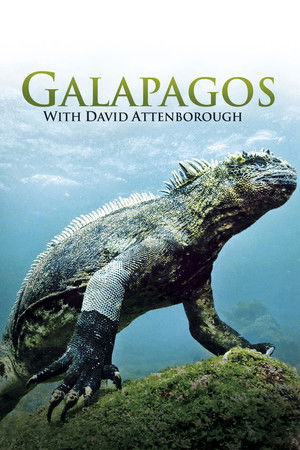
David Attenborough uses pioneering 3D-techniques and technology to explore the unique environments and species of the Galapagos.
A celebration of the natural wonder and power of nature in our backyard. From iconic places to secret gems, this series will open the gateways for all to explore the breadth of the beauty and tranquility
David Attenborough reveals the surprising truth about the cold-blooded lives of reptiles and amphibians. These animals are as dramatic, as colourful and as tender as any other animals.
Bill Bailey travels to Vietnam on the 50th anniversary of the withdrawal of US forces from Saigon. Immersing himself in its rich culture, stunning landscapes and complex history, he uncovers what makes this fascinating country tick.
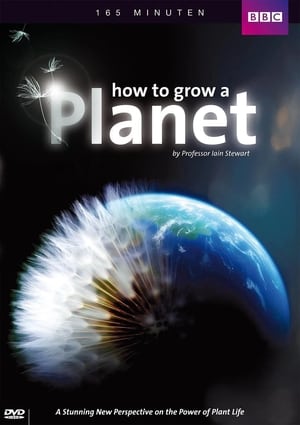
Geologist Iain Stewart explain in three stages of natural history the crucial interaction of our very planet's physiology and its unique wildlife. Biological evolution is largely driven bu adaptation to conditions such as climate, soil and irrigation, but biotopes were also shaped by wildlife changing earth's surface and climate significantly, even disregarding human activity.
Series which tells the story of how people came to understand the natural order of the plant world, and how the quest to discover how plants grow uncovered the secret to life on the planet.
Long-running travel programme
Baboons with Bill Bailey is a wildlife documentary series presented by Bill Bailey. The series follows Bill as he attempts to find out more about the lives of baboons who are living in several colonies in Cape Town, South Africa.
Cattle - with horns - are the focus of this documentary series by the French filmmakers, who decided to bring us closer to the most famous horned domesticated creatures on the planet. Their ancestors lived on Earth 18 million years ago. It was a small, forest-dwelling mammal - and in the course of evolution, this little antelope became the direct ancestor of the now-extinct turo. The human hunter who pursued these ungulates became the herder - and eventually evolved the ox, zebu, buffalo or whatever... Follow in the footsteps of the horned ungulates without which man could not exist today.
This nature documentary introduces viewers to the fauna and flora of Britain and Ireland across four main areas: woodlands, grasslands, freshwater and marine.
Produced by South Florida PBS in Miami, Florida, Changing Seas gives viewers a fish-eye view of life in the deep blue. Join scientists as they study earth’s last frontier and discover the mysteries of our liquid planet.
Profiles of some of the men who choose to live off the grid in the unspoiled wilderness, where dangers like mudslides, falling trees and bears are all part of everyday life.
The tropical islands that lie between Asia and Australia are among the biologically richest on earth, and home to a vast number of plants and animals. From tree kangaroos to tarsiers, manta rays to mudskippers, the region abounds with life. But why? The answer lies deep in time, due to the many millions of years these islands have existed - and the power of the earth, the sun and the moon.
Tanzanie, la nature à l'état sauvage