An intimate portrayal of the everyday lives of Carthusian monks of the Grande Chartreuse, high in the French Alps (Chartreuse Mountains). The idea for the film was proposed to the monks in 1984, but the Carthusians said they wanted time to think about it. The Carthusians finally contacted Gröning 16 years later to say they were now willing to permit Gröning to shoot the movie, if he was still interested.
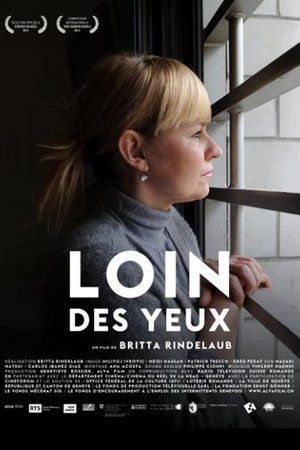
Switzerland still carries out special flights, where passengers, dressed in diapers and helmets, are chained to their seats for 40 hours at worst. They are accompanied by police officers and immigration officials. The passengers are flown to their native countries, where they haven't set foot in in up to twenty years, and where their lives might be in danger. Children, wives and work are left behind in Switzerland. Near Geneva, in Frambois prison, live 25 illegal immigrants waiting for deportation. They are offered an opportunity to say goodbye to their families and return to their native countries on a regular flight, escorted by plain-clothes police officers. If they refuse this offer, the special flight is arranged fast and unexpectedly. The stories behind the locked cells are truly heartbreaking.
“Namibia Crossings” takes a trip through a country of archaic beauty and bizarre contradictions. The film creates polyphonies of soulful landscapes made up of each individual's highs and lows.
A documentary of an expedition to Churchill, Manitoba to film the Northern Lights.
Max Frisch was the last big Swiss intellectual widely respected as a “voice” in its own right – a character hardly found today. The film retells Frisch’s story as a witness of the unfolding 20th century, wondering if such “voices” are needed at all, or if we could do without them.
A behind-the-scenes look at the of how the Paris Opera is run under the direction of Stephane Lissner.
Modern Amazons are fierce heroines. They are ready to fight for what is important to them. Without explaining, without compromising, always persisting. They fight for victory in the ring for acceptance, and too, for fellow sufferers and humanity.
Remue-ménage
The Jean Tinguely Museum in Basel, Switzerland, designed by Mario Botta, opened in 1996, five years after the Swiss sculptor's death. META MECANO is a poetic depiction of the genesis of this mono-graphic museum, from the builders' first plans and Mario Botta's designs to its construction and the assembly of Tinguely's fragile mobile sculptures. In interviews with Mario Botta, Tinguely's wife Niki de Saint Phalle, museum director Pontus Hultén and Tinguely himself, the film goes on to explore the mission of museums and of art in general today. META MECANO is a unique document on the significance of the artist Jean Tinguely and on the role that museums play in our day and age.
Vibrato
Un petit coin de paradis
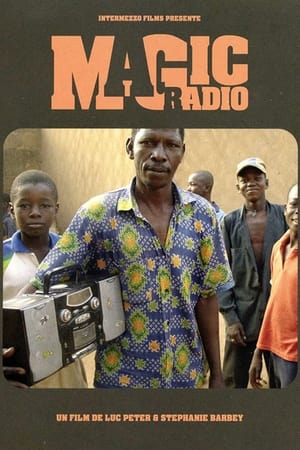
Radios echo across Niger, connecting lives through news, music, and debate. This gripping doc explores how this everyday device becomes a lifeline in a changing nation.
The story of three Turkish men. They all grew up in Switzerland and all got deported after various criminal offenses.
A documentary about healers from the Swiss canton of Appenzell.
A tout prix
À l'Ouest du Pecos
Fenster zum Jenseits
A documentary film about Tibetan traditional medicine.
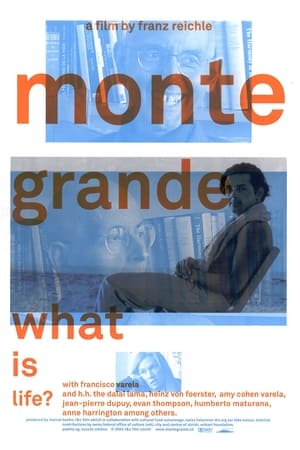
Documentary account of a man’s life in the face of imminent death – Francisco Varela's story told affectionately and gently, touchingly and astutely. Varela spent his life building bridges: between Western science and Eastern wisdom, neurobiology and philosophy, abstract theory and practical life. This film seeks to deconstructs the prevailing division between science and art.
Le garçon s'appelait Apache