For more than 30 years, scientist, broadcaster and environmental activist David Suzuki has served as the host of The Nature of Things, a CBC program that is seen in more than forty nations. Suzuki Speaks is an hour of thought-provoking television. David Suzuki delivers one of the most powerful messages of his career - the relationship between the four "sacred" elements and their influence on the "interconnectedness" we feel individually, with each other and with the rest of the world.
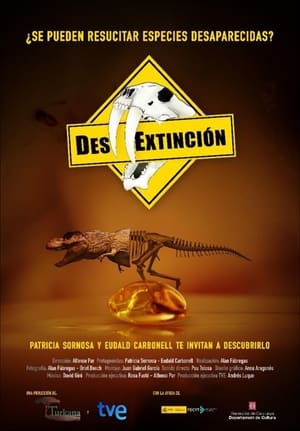
Des-Extinción
The documentary follows a group of Latin American environmentalists and scientists on their risky expedition through the second largest coral reef in the world.
Over 46 minutes, the film takes the viewer on a journey to discover different initiatives and cases where Chileans are contributing to mitigate the effects of climate change, from large-scale projects and scientific innovations to day-to-day citizen actions, all of which are collectively necessary. The focus of this documentary is to show how Chile is contributing to an issue that affects all of humanity, such as climate change, in five thematic areas: sustainable agriculture; forest and biodiversity conservation; renewable energy; the water crisis; and astronomy.
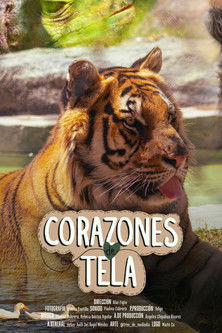
Corazones de tela
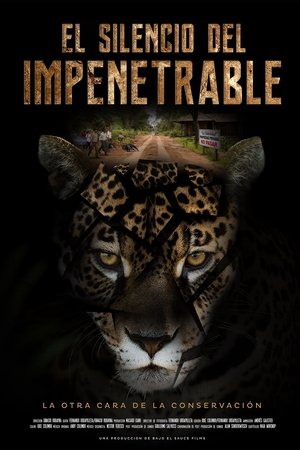
El Silencio del Impenetrable
El gigante
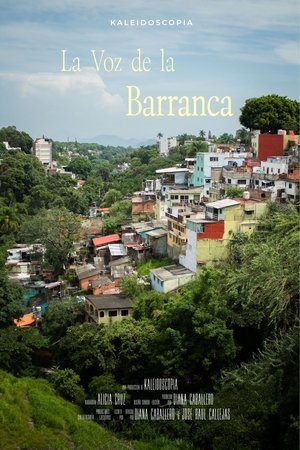
La Voz de la Barranca
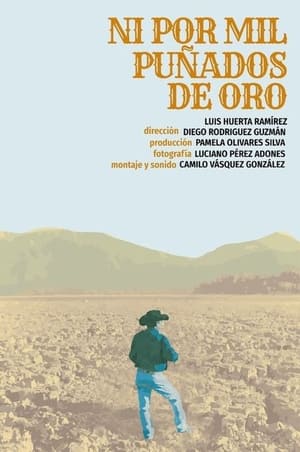
Ni Por Mil Puñados De Oro
Montañas en Armonía
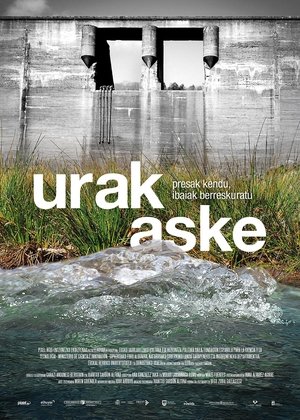
Draining two million cubic meters of water to protect a small animal in danger of extinction. This has been the task of those who have worked to remove the Enobieta reservoir and ensure a safe haven for the Pyrenean desman. This amazing story took place in Artikutza, the estate that San Sebastián bought in Navarre a century ago and which is now one of the best-preserved natural sites on the Cantabrian coast. In Normandy, meanwhile, the large Vezins dam has been removed. Its demolition will allow salmon to return to the Sélune River. Abandoned dams on rivers are barriers to biodiversity, and their demolition allows us to imagine a more habitable planet. That future will depend on small gestures, or large ones, such as those in Vezins and Enobia.
Desechos
The calm of the jungle is invaded.
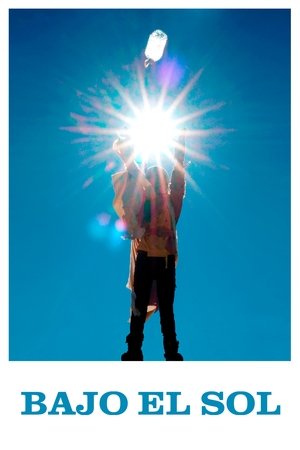
Bajo el Sol
Raíces de Agua
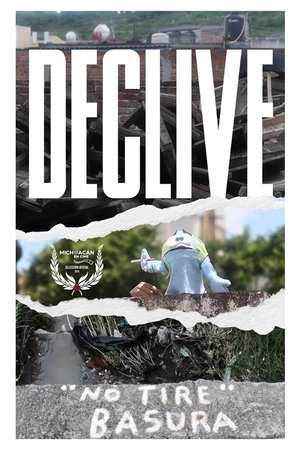
Declive
“Forgetting is complicit in recidivism,” says the commentary of this film dedicated to the demonstration of October 17, 1961 in Paris and the savage repression that followed. 11,538 Algerians will be arrested, which is reminiscent of the great Vel d’hiv roundup of July 16 and 17, 1942 where 12,884 Jews were arrested. The film brings together eyewitnesses including a priest, a peacekeeper, a couple of workers sympathetic to the Algerian cause, a lawyer, Paris municipal councilors including Claude Bourdet (then one of the leaders of the PSU and journalist to France Observateur), Gérard Monatte, the future police union leader, and the editor and writer François Maspero.
The Poem of the River
“Carioca,” Chico Buarque’s first DVD of original songs since As Cidades (1998), features musical direction and arrangements by Luiz Cláudio Ramos and production by Vinícius França. The repertoire includes the choro-canção Subúrbio and Sempre, a track composed for the film O Maior Amor do Mundo, among others. In this work, the artist speaks about his city with the youthful spirit reminiscent of the age when he first earned his famous nickname. Voltei a Cantar / Mambembe / Dura na Queda / O Futebol / Morena na Angola / Renata Maria / Outros Sonhos / Imagina / Porque Era Ela, Porque Era Eu / Sempre / Mil Perdões / A História de Lily Braun / A Bela e a Fera / Ela É Dançarina / As Atrizes / Ela Faz Cinema / Eu Te Amo / Palavra de Mulher / Leve / Bolero Blues / As Vitrines / Subúrbio / Morro dos Irmãos / Futuros Amantes / Bye Bye Brasil / Cantando no Toró / Grande Hotel / Ode aos Ratos / Na Carreira / Deixe a Menina / Sem Compromisso / Quem Te Viu, Quem Te Vê / João e Maria
As a film about fertility, Water Children is an ode to womanhood and the body Filmmaker Aliona van der Horst followed the trail of the unconventional Dutch-Japanese pianist and artist Tomoko Mukaiyama who made a huge work of art on the theme of womanhood and fertility. She created a cathedral-like space out of twelve thousand white silk dresses in which visitors, as in a ritual, roamed around and fell silent. And where people confessed intimate details about children who were or were not born, about sexuality and life-choices. This resulted in a majestic epic about motherhood, miscarriages and menopause. In a visual and poetic way, the film penetrates into what is probably still one of the greatest of taboos, menstruation, and, as a consequence, touches upon universal themes around life and death.