A new type of cinema you can perceive with your butt hole.
A pleasant tasting summer film made in New York and Searsmont, Maine. With poems by Daniel Shapiro (age five), performances by Dana Reitz, Yoshiko Chuma and Wang Pint; music by Duke Ellington and Gamelon of Bali.
This film was made out of the capture of a live animation performance presented in Rome in January 2005 by Pierre Hébert and the musician Bob Ostertag. It is based on live action shooting done that same afternoon on the Campo dei Fiori where the philosopher Giordano Bruno was burned by the Inquisition in 1600. A commemorative statue was erected in the 19th century, that somberly dominate the market held everyday on the piazza. The film is about the resurgence of the past in this place where normal daily activities go on imperturbably. The capture of the performance was reworked, shortened and complemented with more studio performances.
A hen questions the meaning of her life on a farm.
Las Preguntas que Perdimos
A film-performance that features all film footage shot by the author during 2024-2025 and is played at variable frame rates, from standard to minimal frames per second. One to three 8mm projectors and one 16mm projector can be used for the demonstration, so the runtime is variable. Trees and leaves, clouds and curtains, snow in the yard and water, hands and eyes, shadows and glare of light, days spent alone and meetings with friends. Light and darkness are the two poles between which this diary is flows, pulsates and shimmers. Raw diary of visual impressions captured with filmmaker's camera.
An experience of a camera swinging in different gestures facing the optical distortion of the Sun. The last appearance of the smudge.
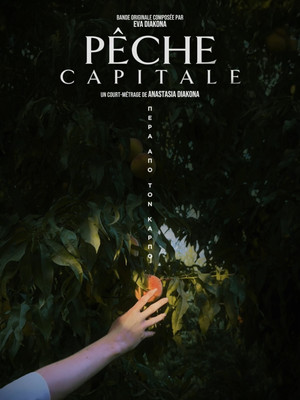
Pêche Capitale
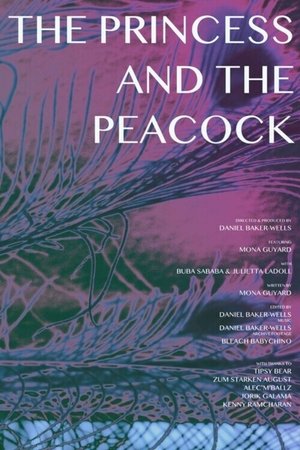
Mona is a 22 year old trans girl from a small village in France. She puts needles attached to peacock feathers in her skin, under bright lights, late at night. She bleeds, half naked, in front of small crowds of people. Sometimes they faint whilst watching her. Why would she do this? How did she learn to do it? And why would someone want to watch?
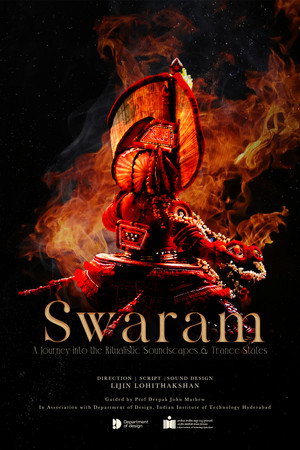
SWARAM is an experimental cinematic documentary film that explores the transformative power of music and sound. Through vivid field recordings and intricate depictions of sacred rituals, it immerses viewers in the profound connection between sound and the human experience. At its core, SWARAM looks into Kerala’s ritualistic art forms—Thottam Pattu, Pulluvan Pattu, and Kalamezhuthu Pattu—examining how rhythm and sound evoke trance states and facilitate spiritual transformation. It also blends ancient traditions with contemporary sonic explorations. Structured as a visual research publication, the film adopts the format of an academic paper, with distinct sections such as Backdrop, Abstract, Introduction, Case Studies, Conclusion, and Expert References. This unique approach seamlessly blends research with cinematic storytelling, offering viewers both an academic exploration and an immersive cinematic experience.
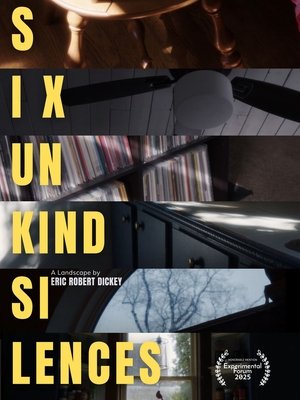
A Landscape documentary about the silent voids the living inhabit after everyone they love has gone.
A tactile exploration of the inherent duality of violence and sensuality in nature.
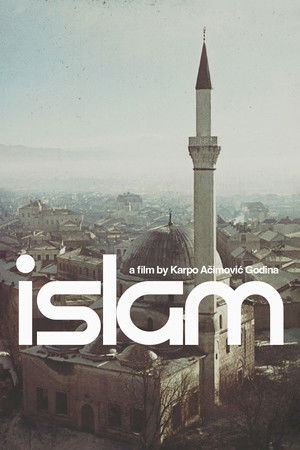
This short film is part of Karpo Aćimović Godina's experimental and documentary work in 1970s Yugoslav cinema. It extends his interest in regional identities, minorities, and the visual traces left by different cultures on Yugoslav territory. The film offers a journey through examples of architecture, decor, and objects related to Islamic tradition in the former Yugoslavia, such as mosques, ornamental elements, and calligraphy. It explores how this art is embedded in the region's history and in the daily lives of the communities that produced it. It is an observational film, without a dramatic plot, functioning primarily as a "visual essay" on the material culture of Islam in a Balkan context. The tone is analytical and contemplative, closer to a cultural study or a poetic inventory.
After a troubled young man leaves his friend for dead, he retreats to his mother's house where he watches a collection of old videos called Anthology 37. Lines blur between fiction and documentary and dream-like states as his guilt reaches its breaking point. Shot between 2013 and 2023.
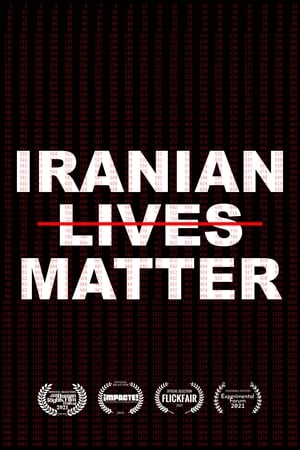
Made with virtually no budget during COVID-19 quarantine in 2020, IRANIAN LIVES MATTER abstractly recounts the true story of what occurred in Iran during the November 2019 protests, sparked by a surprise hike in gasoline prices, which quickly spread across the entire nation and was subsequently crushed by the dictator's iron fist, resulting in the death of approximately 1500 protesters, as reported by Reuters. IRANIAN LIVES MATTER is an experimental documentary, an audio-visual endurance test that audibly takes its audience through the chaos in the streets of Iran as the brutal regime cracks down on Iranian protesters, while visually showing the hands of the dictatorship as it crosses out 1500 lives one by one to further emphasize the scale of the massacre and show to a world desensitized to news of mass killings in the Middle East what the term "1500 dead" truly means.
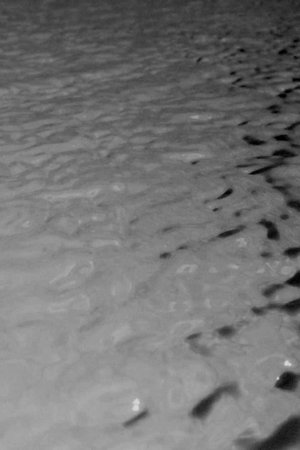
Inspired by Lois Patiño's short movies project called "Paisaje-Duración" (Duration-Landscape) and Hiroshi Sugimoto's photo series "Seascapes", "Duração-Diferença" (Duration-Difference) reveals the difference through duration, through time; this short experimental movie seeks to capture, as Patiño and Sugimoto achived, the immanence as the entrance for something more - or something in between.
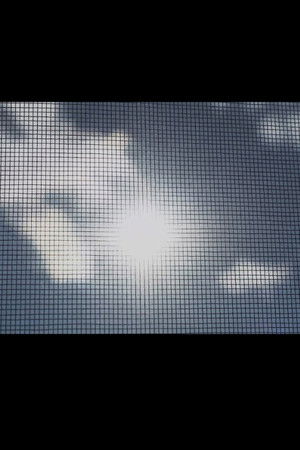
Two layers of mesh overlap on the left. One rotates over the course of a day, its speed shifting gradually. On the right, a single mesh remains still. Digital interference is continuously superimposed onto the physical rotation. Where no rotation occurs, motion persists through digital interference alone. Under different conditions, the two images arrive at similar shimmering forms. The sound drifts with the sky. Tremolo. Pulse.
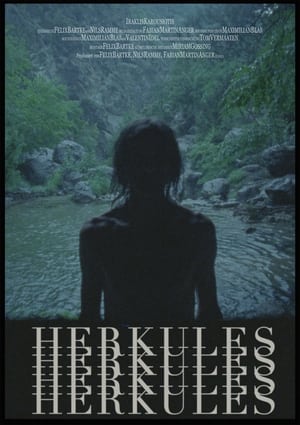
Hercules travels by bicycle from Krefeld on the Lower Rhine to Olympus, the throne of ancient deities. The Hercules myth, as a primal myth of male power, is questioned through biographical reflections and the staging of mythological echoes. The dramaturgical structure of the hero's journey disintegrates in a multi-material perspective into questions about male identity, ideals and remorse.
Then, now, where? how?
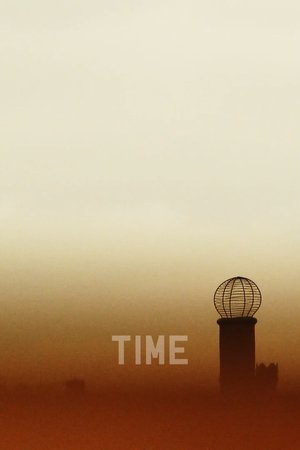
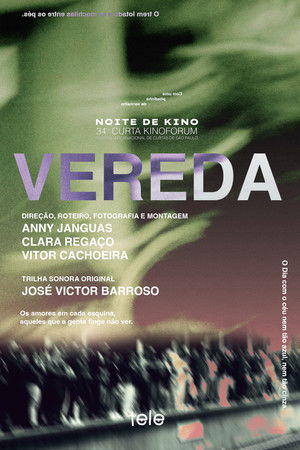
The day with the sky neither too blue nor too grey. With a hint of red. The train crowded and the backpacks between the feet. The loves on every corner, the ones we pretend not to see.