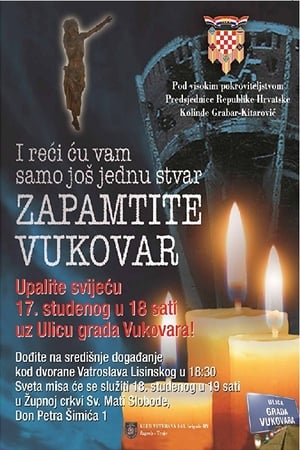
The Heart of Vukovar is a Croatian documentary which shows the events of the Vukovar war hospital during the Croatian Homeland War. The hospital was a symbol of the defense of Vukovar agains the occupying Serbian forces. The movie shows how it managed to operate under impossible conditions after being bombarded, up until the day the city fell to occupying forces
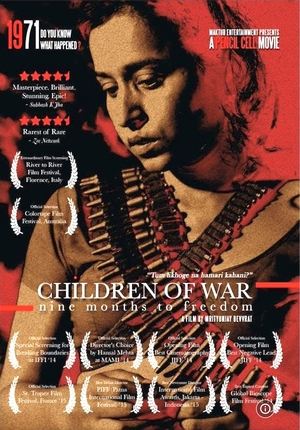
Children of War is a movie based on the true events of the 1971 Genocide. Can we, in search of power, become animals? A genocide; neglected! The first use of rape as a weapon of war; undocumented! The lives of millions; unaccounted! The culprits; unpunished!
In this sequel to the award-winning You’ve Been Trumped, director Anthony Baxter once again follows American billionaire Donald Trump and a cast of other greedy characters who want to turn some of the Earth’s most precious places into golf courses and playgrounds for the super rich. From the historic site of Dubrovnik to the ancient sand dunes and rolling green hills of the seaside town of Balmedie, these tycoons bully local residents, influence governments, ignore local referendums and even meddle in national environmental policies to acquire their latest trophies. With in-depth interviews and Baxter’s expert storytelling, we learn just how devastating these golf courses can be to the surrounding countryside and water tables. In this funny, inspiring and at times heartbreaking David and Goliath story for the 21st century, the locals don’t give in easily. But will their fight be enough to protect their land and traditional way of life?
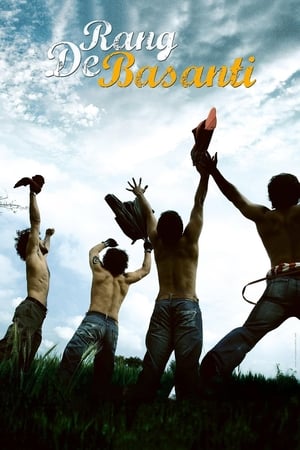
After a group of friends graduate from Delhi University, they listlessly haunt their old campus, until a British filmmaker casts them in a film she's making about freedom fighters under British rule. Although the group is largely apolitical, the tragic death of a friend owing to local government corruption awakens their patriotism. Inspired by the freedom fighters they represent in the film, the friends collectively decide to avenge the killing.
In 1947, the borderlines between India and Pakistan are being drawn. A young girl bears witnesses to tragedy as her ayah is caught between the love of two men and the rising tide of political and religious violence.
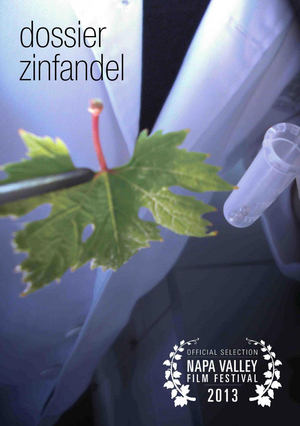
For years, there has been an effort to discover the exact origin of the most popular American grape variety and wine, Zinfandel. Thanks to modern technology, forensics, and DNA analysis, the collaboration between American and Croatian laboratories has born fruit: Zinfandel is the Croatian Crljenak Kaštelanski.
Stolen Kosovo is a Czech language documentary by director Václav Dvořák (b. 1948), about the Serbian–Albanian conflict in Kosovo. The documentary describes the situation, first in a short overview of the history of the area, followed by the 1990s conflicts and bombing of Serbia by NATO forces in 1999 and ending with the situation after the Kosovo War. The documentary focuses on the 1990s in the time of Slobodan Milošević's rule as well as on numerous interviews of Serbian civilians and, less, of Albanian insurgents against the Milošević regime.
During the early stages of the Croatian War of Independance the Serbian paramilitary forces, assisted heavily by the People's Army of Yugoslavia, manage to make their way into the small town of Vukovar, which quickly becomes a no man's land. However, despite the chaos around him, radio reporter Siniša Glavašević is determined the get the word out, chronicling both the efforts of the Croatian army and the siege of the enemy side.
A film about short-lived Slovenian war of independence.
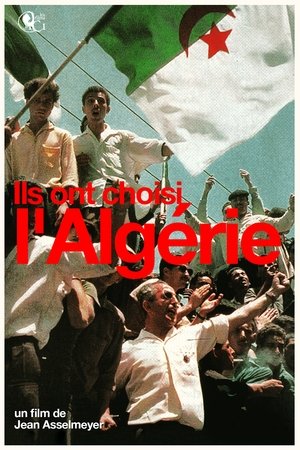
Many of them participated in the struggle for Algerian independence. There are "those who believed in heaven", priests, Christians committed against torture, friends of the "natives", there are "those who did not believe in it", communist activists, students, progressive intellectuals, others remained in this country because they could not imagine living anywhere other than in this land of all passions. They are European and chose to stay in Algeria after independence, most of them opted for Algerian nationality. The film is another vision of the history of Algeria from the end of the fifties to the present day, told by these Europeans filmed at home, or in the context of their activities, illustrated by unpublished archive documents.
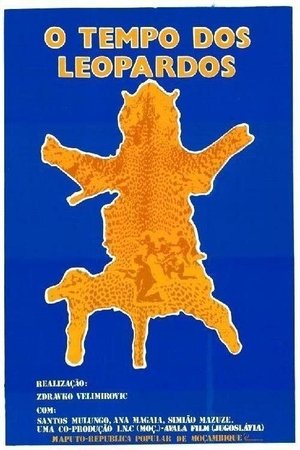
As children, a Mozambique native and a Portuguese colonialist were friends. Years have passed and Mozambique is fighting for its independence. Two childhood friends meet on opposing sides.
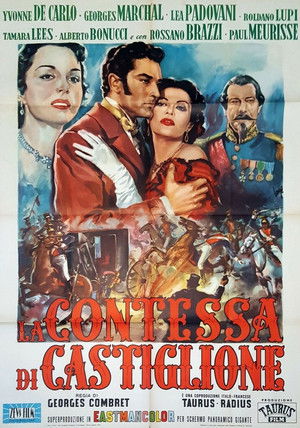
The lover of an Italian revolutionary offers herself to Napoleon in exchange for her sweetheart's life.
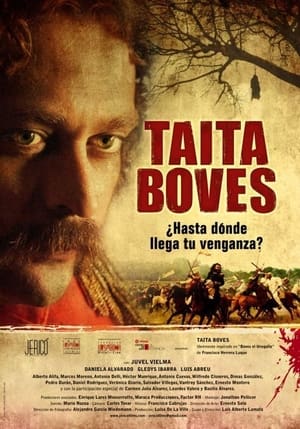
TAITA BOVES chronicles a thirst for revenge that devastated a country. It tells the true story of Jose Tomás Boves, a cruel man who became a legend during the Venezuelan War of Independence, the most violent in the Americas. He went from seafarer to pirate, horse smuggler to prosperous merchant, prisoner to military chief. Spanish by birth, he spearheaded a grass roots troop of slaves, mulattoes, Indians and mestizos that crushed Simón Bolívar and his patriot army. Respectfully referred to as "Taita" by them, he fought for the underprivileged and the poorest of the poor, and curtailed three centuries of order in this colonial region. This film is about his passions and power, his loves and misadventures, and a bloody saga that rocked Venezuela.
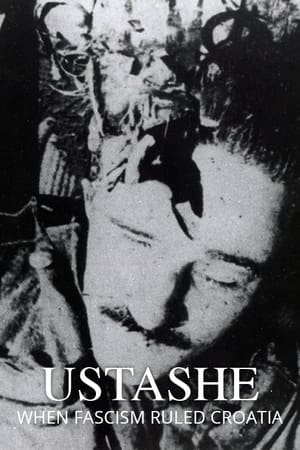
This documentary tells the story of the Ustashe. These Croatians nationalists had been involved in several murderous attacks before WWII until they rose to power in 1941, supported by the Nazis. Then, they led a campaign of ethnic cleansing in the country, while participating actively in the Final Solution. However, their regime is one of the lesser known ones of WWII and their story has almost been forgotten. Why has it been so thoroughly erased?
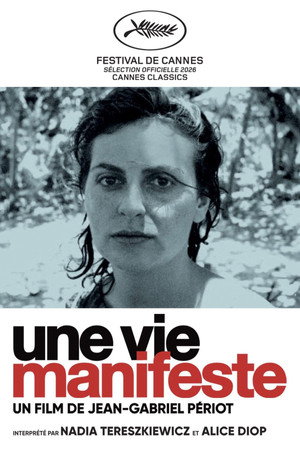
The life of Michèle Firk — a trailblazing French journalist, film critic, aspiring director and communist activist involved in various liberation struggles in the second half of the 20th century — as told by narrator Alice Diop, modern day French director.
Buenos Aires, 1880. A journalist interviews Manuel Esteban Corvalán, one of the last living men who crossed the Andes in 1817 with José de San Martín, during the Argentinian and Chilean wars of independence, as one of his secretaries, when he was only 15 years old.
Eastern Croatian front, sometime during the 1990s. A group of civilian refugees from Vukovar try to establish a somewhat normal life in a camp established on the train station in Sokolovica. One of them is Vinko, a disabled man whose psyche is slowly decaying with paranoia, PTSD and physical pain. After he learns that his wife Jelka had befriended Klaus, a young and handsome German voulonteer, his mind begins to spiral further into darkness.
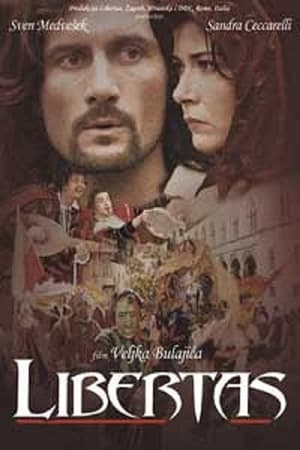
The film is set in mid-16th century, at a time when the entire eastern Mediterranean is dominated by two great empires, the Ottoman Empire and the Republic of Venice, with the small but wealthy maritime republic of Ragusa (modern-day Dubrovnik) managing to maintain its independence through diplomatic agreements.
"O Corneteiro Lopes" is a story of love and courage. The city of Salvador is under siege by Brazilian troops, however, they lose strength in the course of battles. The Portuguese Luiz Lopes, alongside the Brazilian army, contrary to the orders of General Labatut, changes the fortunes of the Battle of Pirajá.
Musa, who is only a thirteen-year-old shoe shiner, undergoes destiny through his adventure of waging war during the war time. Will he manage to bring peace among the troops who keep on fighting for nothing?