In the cobalt mining areas of Katanga in the Democratic Republic of the Congo (DRC), babies are being born with horrific birth defects. Scientists and doctors are finding increasing evidence of environmental pollution from industrial mining which, they believe, may be the cause of a range of malformations from cleft palate to some so serious the baby is stillborn. More than 60% of the world’s reserves of cobalt are in the DRC and this mineral is essential for the production of electric car batteries, which may be the key to reducing carbon emissions and to slowing climate change. In The Cost of Cobalt we meet the doctors treating the children affected and the scientists who are measuring the pollution. Cobalt may be part of the global solution to climate change, but is it right that Congo’s next generation pay the price with their health? Many are hoping that the more the world understands their plight, the more pressure will be put on the industry here to clean up its act.
The film recounts the incredible research conducted by François Cartault, a pediatrician and geneticist on the island of Réunion. Conducted like a police investigation over more than 20 years, his research, both medical and historical, takes us on a journey through the disease of moon children, deprived of sunlight, and on the trail of slavery in Africa. The film shows how genetics is also an astonishing trace of history.
Edeltraut Hertel - a midwife caught between two worlds. She has been working as a midwife in a small village near Chemnitz for almost 20 years, supporting expectant mothers before, during and after the birth of their offspring. However, working as a midwife brings with it social problems such as a decline in birth rates and migration from the provinces. Competition for babies between birthing centers has become fierce, particularly in financial terms. Obstetrics in Tanzania, Africa, Edeltraud's second place of work, is completely different. Here, the midwife not only delivers babies, she also trains successors, carries out educational and development work and struggles with the country's cultural and social problems.
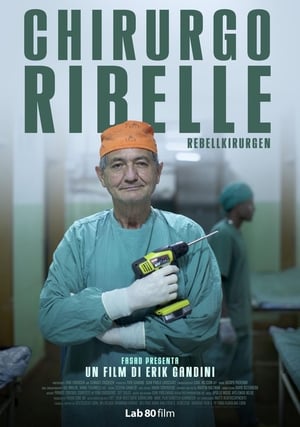
Portrayal of a surgeon who feels stifled by Swedish bureaucracy and relocates to Ethiopia to practice medicine. In a small field hospital, with limited resources, he uses anything at hand to help the patients.
DR Dokumentar has closely followed Svend Ling's everyday life, where he is contacted on a daily basis by people who want his help. Svend Lings publicly admits that he guides suicide with medicine, and he is, among other things, behind a suicide guide on the net and the 'Læger for active euthanasia' network, which fights for active euthanasia to be made legal in Denmark. In 2017, that openness led to him being stripped of his authorization as a doctor.
Diagnosis of gonorrhea should be done by clinical and laboratory investigation. The physician and patients are shown in the physician's office and examining room. The patients remove their clothing, and the physician takes samples from the end of the penis and makes thin smear slides from them. The techniques for stripping gonococci from male and female patients with chronic gonorrhea are shown in drawings and live footage. The physician is shown getting and preparing a urine sample for laboratory testing for the presence of gonococci, including using a hand-cranked centrifuge. The material is packaged to be sent away for laboratory diagnosis by gram stain and culture.
Andrew Weil, M.D., program director of integrated medicine at the University of Arizona, teaches doctors and the public about nutrition, In this video, he describes good eating habits, nutritional health, and cooking. He also shares some cross-cultural perspectives on these fundamental topics.
One of America's best-known and most respected doctors offers a sensible approach to eating: He emphasizes enjoyment over deprivation, and long-term health benefits over short-term weight loss. Dr. Weil assures us that there is no confusion among nutrition experts about the optimal diet for health, body weight, and longevity. Understanding inflammation to be the root cause of many chronic illnesses, he gives science-based recommendations to help combat specific health concerns, all as part of an anti-inflammatory diet. On the subject of dietary supplements, he talks about what's perilous and what can help.
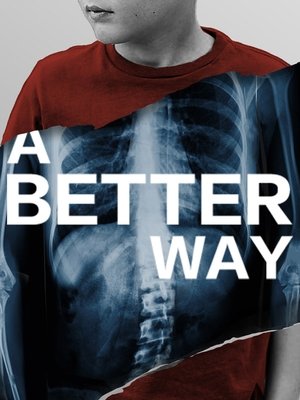
On November 7th, 2005, Sandra Smith died at the age of 47 taking 21 different medications. Now her son, Tabor Smith, vows to change the way America thinks about health. Amidst the ongoing opioid crisis, Tabor travels around the country to interview medical experts, political figures, and ordinary people in order to uncover the conspiracy behind America's drug-obsessed healthcare system - and most importantly, find out what can be done to change it. —Dr. Tabor Smith
Phases of Matter follows living and inanimate residents of a teaching hospital in Istanbul, moving from the operating room to the morgue, between life and other states, the real and the virtual.
Despite the homeopathic doctors studying medicine, they treat their patients against the basis of scientific knowledge. Allegations of fraud surround the topic. In the film, homeopaths embark on adventurous explanations of their popular belief system.
A documentary film about Tibetan traditional medicine.
Documentary portrait of a rural Belarusian doctor.
Dr. Carlos Cristos, 47, is terminally ill. He call a film director and proposes him to record his struggle for to live and die with dignity and without drama.
A film biography of Dr. Norman Bethune, the Canadian doctor who served with the loyalists during the Spanish Civil War and with the North Chinese Army during the Sino-Japanese War. In Spain he pioneered the world's first mobile blood-transfusion service; in China his work behind battle lines to save the wounded has made him a legendary figure. This hour-long documentary film pieces together his remarkable career.
A reckoning of Nazi Germany’s planned execution of its own citizens with physical and mental disabilities whom they deemed useless to their society.
What is the purpose of our existence ? What is the soul ? Which are the power of mind, of conscience ? What is our link to nature ? Pondering these existential questions, this movie invites us to find out an universal wisdom, meeting shamans, healers, yogis, but also philosophers and doctors. From Mongolia plains to the Amazonian forest, it leads us far than we expected at first.
This short film takes a look at addiction and whom it affects, specifically those in the medical profession. It was sponsored in the interest of the medical profession by Winthrop Laboratories Limited
An autobiographical film about Eric M. Nilsson's experiences of Swedish health care and the limits of polite society.
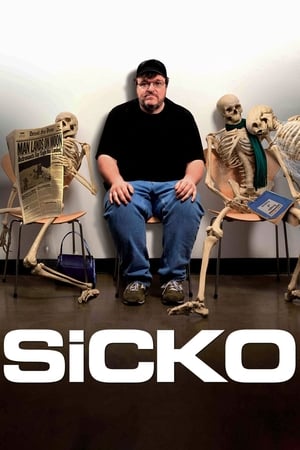
A documentary about the corrupt health care system in The United States whose main goal is to make profit even if it means losing people’s lives. "The more people you deny health insurance, the more money we make" is the business model for health care providers in America.