Conservationist Sam the Trap Man brings to life the vision of "Recloaking Papatūānuku" - a bold initiative to restore and regenerate over 2 million hectares of Aotearoa's native bush and wetlands.
In the meeting place of two oceans in Indonesia's Lembeh Strait, photographers capture the majestic, otherworldly creatures living below the surface.
The Atlantic Flyway, the easternmost migration path in North America, is among the most vital ecological phenomenons in the world. Join explorer Tomas Koeck as he examines several unlikely relationships along this massive migratory chain.
Meet the mob of street smart kangaroos moving into Australia's capital city and the ecologists following their every move. Over the course of one drought-stricken year we follow mob leader, Black Spot, and kangaroo mother, Madge, with her two young joeys - Sonny and Alice. Here is a look at what happens when human development encroaches on wildlife habitat and two very different species are forced to co-exist.
Two otter pups have been carefully watched over by their mother for a year, but her tireless work will soon come to an end. From here on the pups will have to fend for themselves, one day maybe starting an otter family of their own.
An apocalyptic sound of roaring machines incessantly intrudes into the habitats of man and nature. Barren landscapes and deserted villages linger in hypnotic restlessness. A self-destructive system meets resistance.
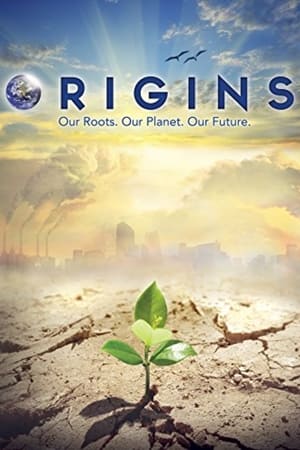
"Origins" takes a journey through the biological roots of where we have come from and where we have gone. Using fire as a metaphor for technology, the film looks at the advances of our civilization and how the recklessness of unchecked technology is now choking out the environment and poisoning our bodies. Interviews with the biggest names in the health and green space create compelling context and arguments for how we can better coexist with nature. "Origins" shows how man, technology, and nature can walk together in balance.
Satoshi Kuribayashi and his team filmed the insects for over an astonishing 430 days, resulting in breathtaking images and scenes from a still fairly unknown world. Watch a mantis sneak up on its prey and catch it with its razor sharp claws. Experience a deadly, thrilling wasp fight. Sit back and watch the world of the insects unfold before you like you have never experienced it before.
Stadt, Land, Fuchs!
Various amphibious pond dwellers, including grass frogs, tree frogs, common toads and other amphibians are shown moving around, feeding, mating, fertilizing and evolving. Also on display are natterjack and midwife toads, yellow-bellied toads and water frogs.
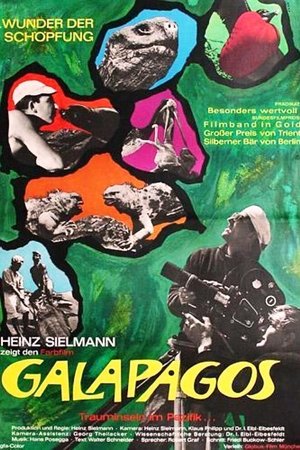
Following in the footsteps of Charles Darwin, Heinz Sielmann traveled to the bizarre volcanic islands of Galapagos. The multi-award-winning film shows the unique wildlife on the Pacific Noah's Ark.
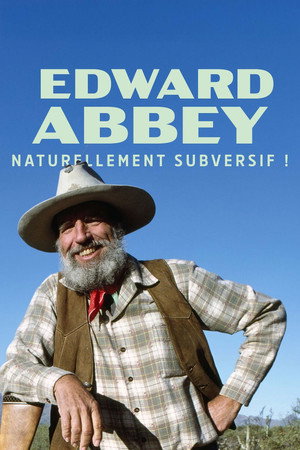
A resistance writer and pioneer of nature writing with a controversial personality, Edward Abbey wrote more than twenty books on the theme of eternal nature. A gem of counterculture, his 1975 novel The Monkey Wrench Gang inspired a generation of environmental activists and readers with rebellious souls. Portrait of a rebellious, lyrical, and rude writer.
The biodiversity of a pond, which is already endangered in many places, is shown. The individual specimens are introduced over the course of an early summer's day. The highlight is the frog concert at night.
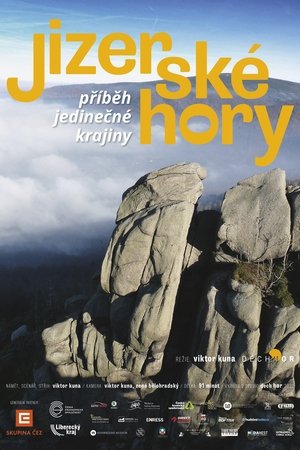
Jizerské hory – příběh jedinečné krajiny
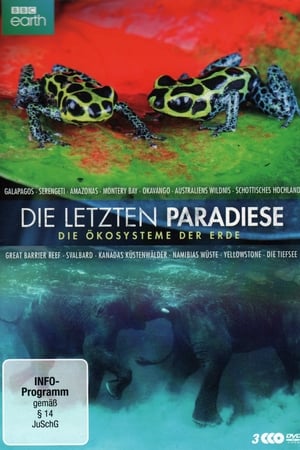
Die letzten Paradiese - Die Ökosysteme der Erde
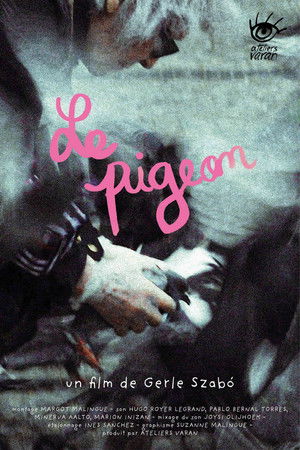
Every day, Catherine feeds and cares for the pigeons in Place Beaubourg, under the curious gaze of the passersby.
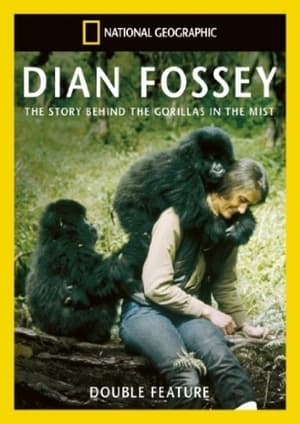
From 1968 to 1972, photographer and filmmaker Bob Campbell documented the activities of Dian Fossey as she developed a cross-species bond with Rwandan mountain gorillas. Campbell shot 70,000 feet of film, but only a fraction of his material was edited into the lecture presentation that preceded Fossey's Gorillas in the Mist. This program compiles highlights from the previously unreleased footage, offering an unforgettable glimpse into the gorilla community and Fossey's relationship with it. Her methods may not entirely jibe with those of modern conservationists, but there is no denying the profound impact of her work on current research and eco-activism.
This feature documentary examines the destruction of the tundra barrens of northern Canada for mineral mining, including that of Canadian diamonds. Many species have been threatened by this development, including the caribou and the Eskimo Curlew, a bird that flew the sky in thousands which is now nearly extinct. This film makes a compelling case for planned conservation in one of the last unspoiled wilderness regions left in the world.
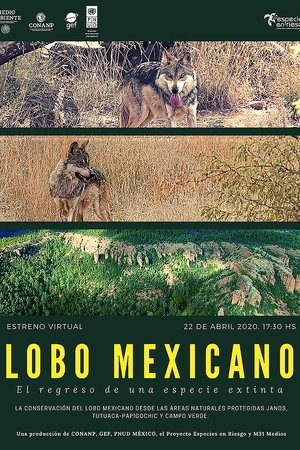
About the mexican wolf in northwest Chihuahua, the search for its conservation among local communities, landowners, and the Livestock Assurance Fund.
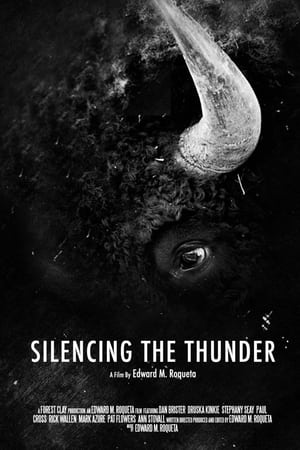
When temperatures drop in Montana, wild bison migrate to lower elevations outside the boundaries of Yellowstone National Park. But once outside, they run the risk of being killed because some carry a chronic disease called brucellosis that ranchers fear could spread to cattle.