Documentary about Congres VI of the Women's Union.
Skutečná Albánie
One of the most recognizable voices in all of modern day music, Dua Lipa quickly rose to fame. Her catchy tunes and sultry vocals make her music appeal to a global audience.
21 years after the collapse of the Communist regime, Albania experiences democracy with it's many contradictions. An exclusive insider perspective given by three young protagonists.
Follows rural GP Dr Ylli Hasani who risked imprisonment in totalitarian Albania by listening to the BBC World Service to keep up to date with world events, especially English football.
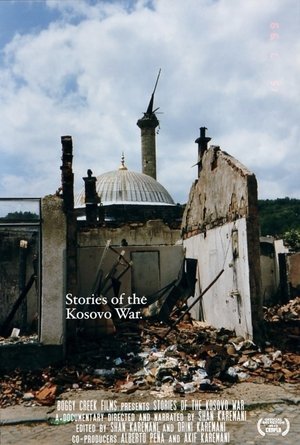
A documentary unraveling the untold stories and brutal experiences of the Kosovo War in the late 1990s.
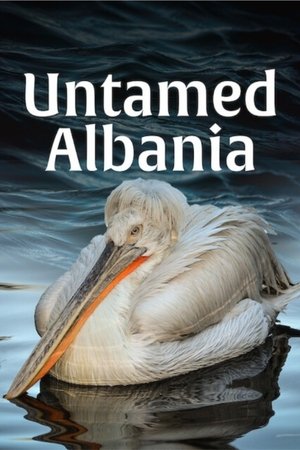
Albania in the southeast of Europe – situated between Greece, Macedonia, Kosovo and Montenegro – hosts an astonishingly diverse landscape. Harmonic coastal areas lead to harsh karst landscapes. Snow-covered mountain regions, wild canyons, waterfalls, deep-blue lakes and untouched rivers are perfect conditions for an immensely rich flora and fauna. Decades of war preserved wide areas of the country from industrial exploitation, so the natural environment is still untouched.
Children get ready to start the first grade. They start learning the first letters.
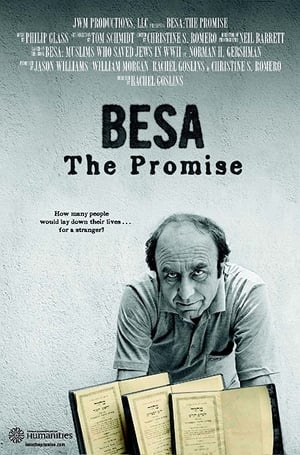
A documentary exploring how Albanians, including many Muslims, helped and sheltered Jewish refugees during WWII at their own risk, and trying to help the son of an Albanian baker that housed a Jewish family for a year return some Hebrew books that the family had to leave behind.
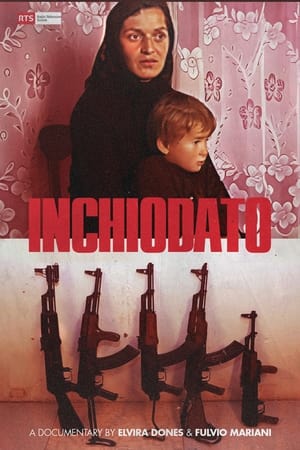
In northern Albania, ancestral customs still exist, governing the laws of vendetta between families. Sometimes, for generations, an old feud has pitted two clans against each other, condemning them to take turns murdering a member of the opposing family. This blood code, known as the Kanoun, has painful consequences for many Albanians, who are condemned to live in seclusion to avoid being killed.
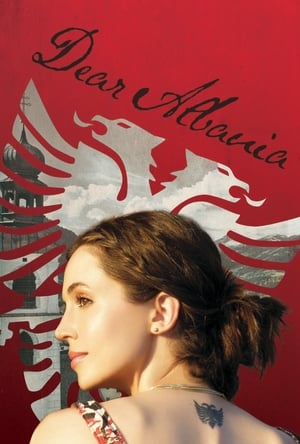
Eliza Dushku takes on her homeland of Albania.
#MladiPitajuPoliticare
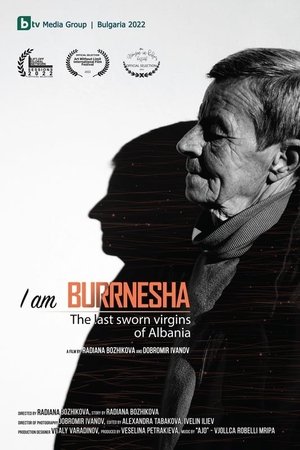
Patriarchal times in northern Albania gave birth to a phenomenon - the replacement of the man at the head of the household by a woman. These are masculine times, in which the woman is only tasked with taking care of the household and raising the children. But, locked in these social roles, girls emerge, ready to abandon their female identity and follow the path of honor. They want to be respected women with the power of a man, not for themselves, but for others. They give up marriage and sexual relations. They choose to live as men. The fall of the regime opened the country to the modern world, but neither communism nor the emerging democracy succeeded in changing the age-old traditions in the isolated mountainous regions of Albania. In the Cursed Mountains, to the north, the last sworn virgins in Europe today live a man`s life.
No one knows why for certain, but from 1968 to 1973 communist Albania enjoyed a brief liberalisation in the arts. Banned books and Beatles records changed hands. Albania’s Nobel-nominated novelist Ismail Kadare wrote two of his most famed masterpieces, Kështjella (The Castle) (1970) and Kronikë në gur (Chronicle in Stone) (1971) during this period. The rock'n'roll and jazz arrangements featured in this concert documentary were the pretext that brought about the end to the artistic thaw. Several performers seen in the festival were sent to prison or internal exile. The portly, smiling music conductor, Gasper Çurçia, was later accused of forging bus tickets and executed.
Made by the highly influential Russian cameraman Roman Karmen, this documentary vividly features Albanian life immediately after the communists came to power in 1944. The film is especially memorable since it’s missing much of the heavy socialist realism that marked Albanian doc making. Shortly after he completed the film, Karmen set off for Berlin to shoot the Soviet victory over Nazi Germany.
The story of Viktor Stratoberdha (1921-1991) mirrors many of Albania’s tragedies. Stradoberdha’s humorous, buoyant style led him to be one of the country’s most promising filmmakers. But after being denounced in 1956, he was expelled from the Kinostudio and sent into internal exile. In 1967, Stratoberdha directed a local theater play in which the economic five year plan was placed in a coffin. He was then jailed for the next two decades. Urime Shokë Studentë! is one of the surviving documentaries of Viktor Stratoberdha’s all too short career.
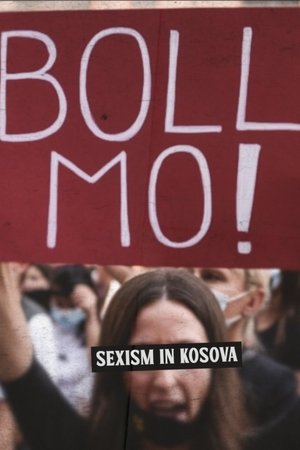
A documentary exploring sexism and patriarchy in Kosova.
Stolen Kosovo is a Czech language documentary by director Václav Dvořák (b. 1948), about the Serbian–Albanian conflict in Kosovo. The documentary describes the situation, first in a short overview of the history of the area, followed by the 1990s conflicts and bombing of Serbia by NATO forces in 1999 and ending with the situation after the Kosovo War. The documentary focuses on the 1990s in the time of Slobodan Milošević's rule as well as on numerous interviews of Serbian civilians and, less, of Albanian insurgents against the Milošević regime.
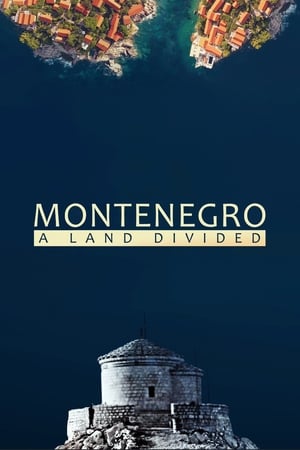
Montenegro is the newest European country with a proud history, one that is being falsified for current political purposes, thus creating an alternative identity. In a nation where it possible for two brothers to claim different ethnic backgrounds despite having the same parents, everything is on the table: language, church, democracy. Can the truth set Montenegro free?
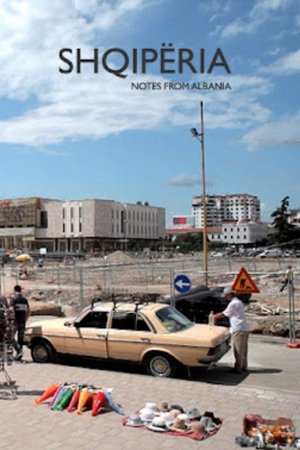
Mad dictators, trigger-happy mobs, archaic blood feuds - this pretty much sums up what Western Europeans know about Albania. But reality in this long forgotten Balkan country is much more complex and multilayered. SHQIPERIA - NOTES FROM ALBANIA offers a flow of stories from and about Albania, displaying the country in its true diversity, unspeculatively illuminating its conflicts and discovering this blank spot on the map of Europe in all its contradictions.