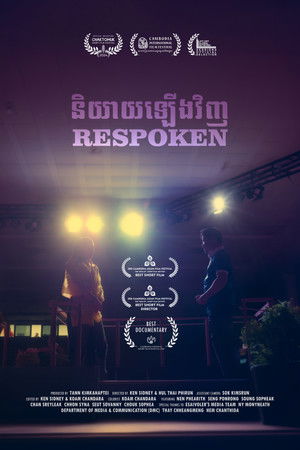
Short-documentary about a visionary actor and his team fight to revive Lakhon Niyeay (Spoken Theater) in Cambodia, facing personal and professional challenges, as he prepares for a major show after six years amidst an uncertain future.
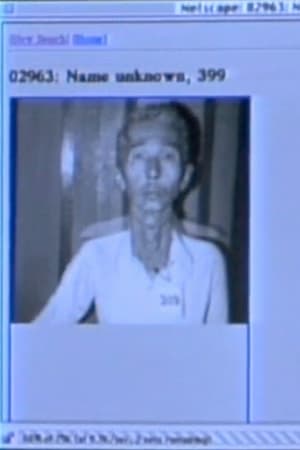
In okay bye-bye, so named for what Cambodian children shouted to the U.S. ambassador in 1975 as he took the last helicopter out of Phnom Phenh in advance of the Khmer Rouge, Rebecca Baron explores the relationship of history to memory. She questions whether, "image and memory can occupy the same space." Building on excerpts from letters, found super-8 footage of an unidentified Cambodian man, iconographic photographs from the Vietnam War and other partial images, Baron combines epistolary narrative, memoir, journalism, and official histories to question whether something as monumental as the genocidal slaughter of Cambodians during the Pol Pot regime can be examined effectively with traditional methodologies.
Ric from Chicago and Keith from Newfoundland participate in a 2-week-long rickshaw rally across Cambodia.
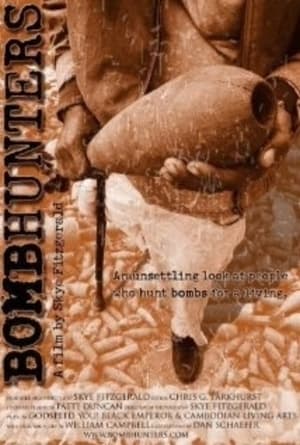
Bomb Hunters is an engrossing examination of the micro-economy that has emerged in Cambodia from untrained civilians harvesting unexploded bombs as scrap metal. The film explores the long-term consequences of war and genocide in an attempt to understand the social, cultural, and historical context and experiences of rural villagers who seek out and dismantle UXO (unexploded ordnance) for profit. Part of a global economy, these individuals clear UXO from their land in order to protect their families from harm and to earn enough money to survive. Bomb Hunters is an eye-opening account investigating the on-going residual, persistent effects of war experienced by post-conflict nations around the globe, and the complex realities of achieving "peace".
Inside the Khmer Rouge takes an in-depth look at the history, domination, and current status of the Khmer Rouge (a Communist regime) in Cambodia. The film features revealing interviews with soldiers of both the modern Khmer Rouge and those who fight in opposition. A comprehensive timeline of the regime's five-year occupation in Cambodia is dissected and includes a review of key individuals, ideologies, and locations where devastation hit hardest. Following this, the film takes a look at the effects on the Cambodian citizens upon the retraction of Vietnamese forces. Inside the Khmer Rouge continues to investigate the current tactics the modern Khmer Rouge implement and their attempts to persuade followers in order to rebuild and expand their regime. Oppositely, local forces or "jungle soldiers" discuss their devices for assuring the destruction and atrocities once caused by the Khmer Rouge never happen again.
Through daily routines in a rural village, an indigenous elder couple recall their strange marriage to their grand-daughter, and sometimes to each other, in the changing rhythm of nature around them.
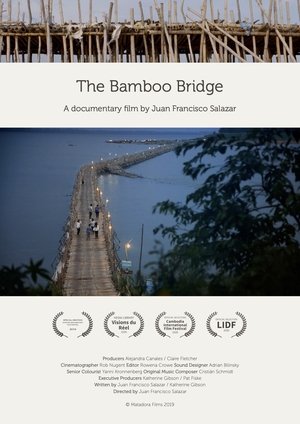
This documentary looks at the stories that take place around a unique 1.5 kilometre long bamboo bridge that for generations has been built every year following the rhythms of nature across the Mekong River to join the rural community of Koh Paen to the city of Kampong Cham in Cambodia.
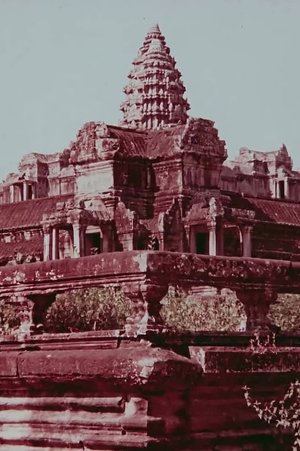
We go on a journey to visit breathtaking temples and ancient sites, while charting the extraordinary rise and fall of the ancient Angkorian Empire in Cambodia.
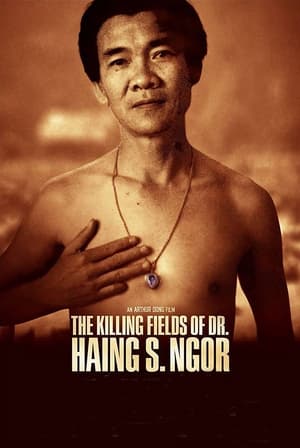
When Dr. Haing S. Ngor was forced into labor camps by the Khmer Rouge, little did he know he would escape years of torture and recreate his experiences in a film that would win him an Academy Award®. "The Killing Fields of Dr. Haing S. Ngor" tells the dramatic story about arguably the most recognizable survivor of the Cambodian genocide, a man who became a worldwide ambassador for justice in his homeland, only to be murdered in a Los Angeles Chinatown alley - a case still muddled with conspiracy theories. Through an inspired blend of original animation and rare archival material - anchored by Ngor's richly layered autobiography - the years encapsulating the Khmer Rouge's tyrannical rule over Cambodia are experienced though a politically charged transnational journey of loss and reconciliation.
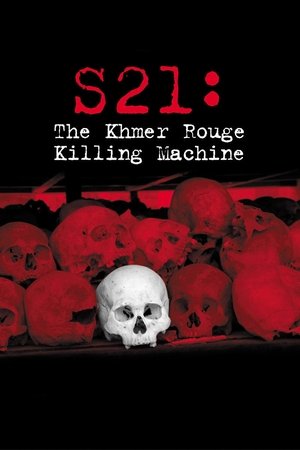
Documentary of the S-21 genocide prison in Phnom Penh with interviews of prisoners and guards. On the search for reasons why this could have happened.
Chomsky on the media treatment of the Indonesian invasion of East Timor and Pol Pot's atrocities in Cambodia
Il a besoin
1989. An examination of how the UN protected and revitalised the Khmer Rouge.
Documentary about Cambodia featuring a long interview with Pol Pot
In 1972, during Cambodia's civil war, a sandstone statue was torn from the age-old Koh Ker temple. Measuring 1.58m high and weighing 110 kilos, it depicts a prince and belongs to a collection that retraces the epic of the Mahabharata. The sculpture was first sold at auction in London in 1975, via a strange British art dealer based in Bangkok, and reappeared in 2011 at Sotheby's in New York with a bid of $2.5 million. A sale that was ultimately prohibited. In the meantime, experts from the École française d'Extrême-Orient, an American lawyer commissioned by Phnom Penh and UNESCO mobilized the Heritage Police across the Atlantic to denounce the theft of a cultural asset. In 2013, the work was returned to Cambodia. A captivating investigation into the international mafia of antiquities trafficking.
The film directed by V. Starošas tells about Angkor, a huge complex of temples, palaces, water reservoirs and canals in Cambodia, built in the jungle in the 9th-13th centuries.
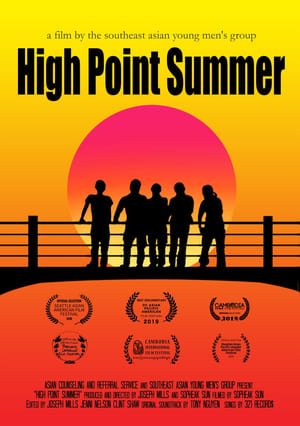
It's Seattle 2006: A refugee teenager from Cambodia begins recording a video diary early in the summer to explain the meaning of "thug life." But ultimately his summer is defined by tragedy. Awarded Best Documentary at the DC Asian Pacific American Film Festival 2019
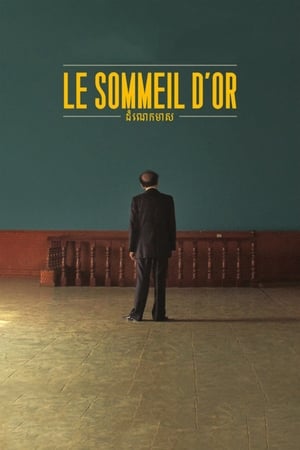
Over three million Cambodians died in the genocide between 1975 and 1979. The Khmer Rouge’s reign of terror also decimated a homegrown film industry that had flourished since 1960: movie theaters were bombed, film prints were destroyed and artists were executed. In Golden Slumbers, French-Cambodian filmmaker Davy Chou mourns this loss of lives and culture, but balances the somber material with a playfulness that honors the lush melodramas and mythic adventures of the glory years.
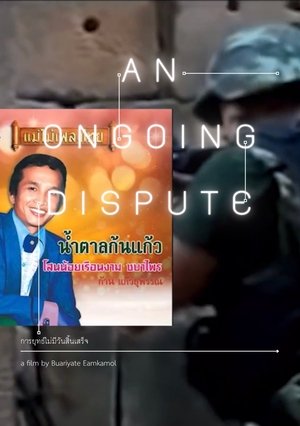
An experimental film revisiting the entangled histories of borders, ancient sites, nationhood, and politics—emerging from the Thai-Cambodian border conflict under the shadow of colonial cartography, modern nation-states, and Thai political tensions.
An architect whose iconic buildings defined a newly independent Cambodia struggles to come to terms with the reckless development that threatens his legacy.