Having lost her memory, A. could barely recall glimpses of her childhood in Argentina. After her death, her son visits the empty house for the last time. A sensory journey through a house without objects but filled with memory.
mommy forever
Samirah, a grandmother who lived three parts of her life, starting with her daughter who married and then converted, the death of her husband and ending with loneliness.
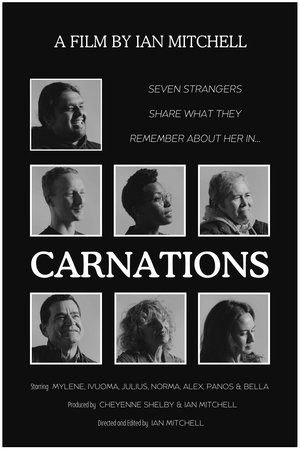
Seven strangers are interviewed to talk about the relationship they have with their mother.
Dos Islas is a poetic story about old age, family and the bond between a granddaughter and a grandmother. The woman, who just turned 102, tells stories about her past and childhood. In a literary and visual way she describes the most minute details. The film dazzles the viewer with love and optimism, the time passes slowly between the two islands, which might be real people, real places or the products of the main character’s imagination.
The year’s most spectacular Documentary short films.
Teta Kaabour is an 83-year old family matriarch and sharp-witted queen bee of an old Beiruti quarter. She’s been gripped as of late by the silence of her once-buzzing household where she raised children and grandchildren. Resigned to Argileh smoking and day-long coffee drinking on a now-empty balcony, Teta now invokes the deepest memories of her violinist husband who died twenty years ago. She claims a preparedness to re-unite with him.
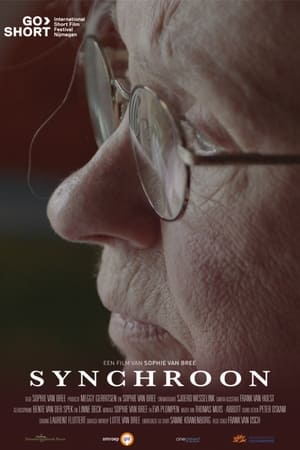
SYNCHRONOUS is an intimate portrait of love and the reverse side of love: mourning. The granddaughter/maker looks idealistically at the endless love between her grandfather and grandmother. When her grandfather dies, she decides to look for answers by filming her grandmother. What happens when you've been together all your life and your great love dies? Where is the love then?
Tan só o demo lembra
Unconditional: A Journey of Selfless Love explores the love, care, and sacrifices family caregivers give to their loved ones and the many loving choices they have to make. Learn what it means to be committed and loyal to someone no matter the circumstances as highlighted through four caregivers and their journeys.
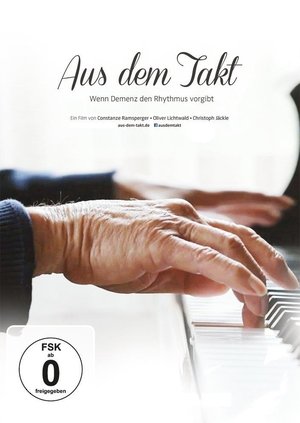
An audiovisual representation of the degenerative dementia process based on real reports from people affected with this condition.
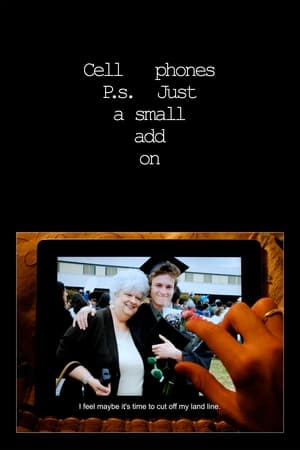
A multigenerational story celebrating director Sean Wang's two grandmothers, one on his father's side and the other on his mother's side.
Agnes was diagnosed with dementia in her fifties. Five years have passed and she is still struggling with her new identity, and the loss of who she once was. She decides to pay a visit to Nancy, who eight years ago was also diagnosed with dementia in her fifties. We follow Agnes in her quest for renewal and along the way our notions of what it means to have dementia are challenged and given a fresh perspective. A film about friendship and living with dementia.
A la porra
Voorgoed samen
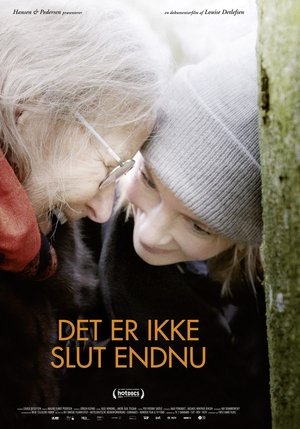
At Dagmarsminde, nurse May Bjerre Eiby refuses to conform to conventional nursing home practices that tranquilize and disregard dementia patients. For 11 residents, their healthcare regimen includes hugs, laughter, animal visits, eye contact, and lots of champagne and cake. It Is Not Over Yet looks at a radically different way to treat dementia patients, shifting from medicine to care.
A brief glimpse through the life of Granny Lue. A woman of faith, fearlessness, and fierce energy, she never allowed her disability to determine her ability to live.
"Welcome to the World of Dementia" is an NHK program adapted from the book "A Travel Guide to the World of Dementia" by Japanese author Yusuke Kakei. The protagonist embarks on a journey through the "world of dementia," encountering a specific symptom of dementia on each trip. For example, in a village of faceless people, he cannot see the faces of his friends, reflecting the difficulties dementia patients face in recognizing faces, friends, and family members. It metaphorically illustrates "the world through the eyes of dementia patients," leading viewers to understand the symptoms and physical and mental changes of dementia.
Haja Fatma, a mother to eight children, tells the tale of family life in Tripoli during the Libyan Revolution. Women, young and old, all contributed during these hostile months in their own unique way. A human portal into the acts of ordinary people in their hope for freedom.
The director's mother is 90 years old—and is beginning to forget herself. Not only herself, but everything else as well. She has dementia. Only her faith and her tireless knitting of exclusively blue socks keep her alive. The director, whose relationship with his mother has been very tense throughout his life, approaches the dissolution of his mother's ego in this experimental and essayistic film with the support of Didier Eribon, Simone de Beauvoir, Norbert Elias, Jean Améry, and others. In addition to this very personal story, he also tells a universal story about the process of aging, about repression, but also about rebellion in dealing with and interacting with aging people.