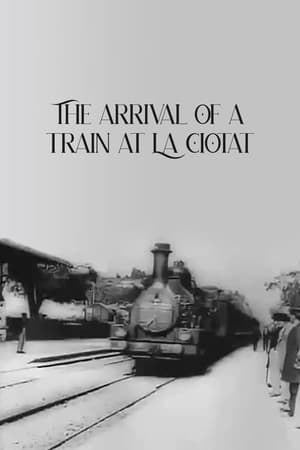
A group of people are standing along the platform of a railway station in La Ciotat, waiting for a train. One is seen coming, at some distance, and eventually stops at the platform. Doors of the railway-cars open and attendants help passengers off and on. Popular legend has it that, when this film was shown, the first-night audience fled the café in terror, fearing being run over by the "approaching" train. This legend has since been identified as promotional embellishment, though there is evidence to suggest that people were astounded at the capabilities of the Lumières' cinématographe.
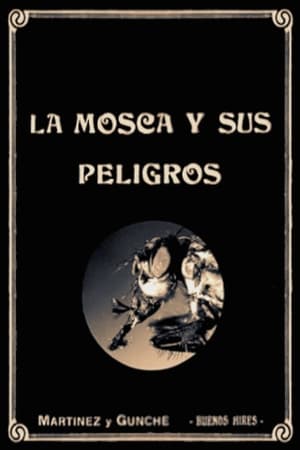
The Dangers of the Fly is an educational film made by Ernesto Gunche and Eduardo Martínez de la Pera, also responsible for Gaucho Nobility (1915), the biggest blockbuster of Argentinean silent cinema. De la Pera was a talented photographer, always willing to try new gadgets and techniques. This film experiments with microphotography in the style of Jean Comandon's films for Pathé and it is part of a series which included a film about mosquitoes and paludism and another one about cancer, which are considered lost. Flies were a popular subject of silent films and there are more than a dozen titles featuring them in the teens and early twenties.
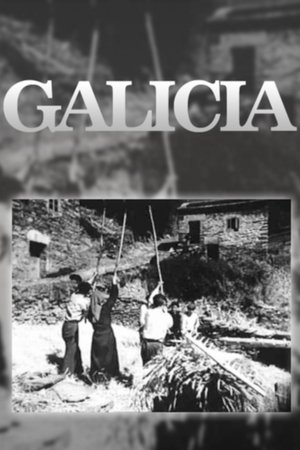
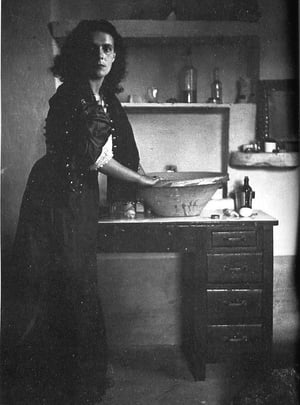
Short documentary about social and economic situation in Galicia (Spain) in 1936
A perspective and reflection on the work of Gabriel Ferrandini.
A homeless man living in a encampment in Minneapolis tells his perspective on the ongoing crisis of homelessness.
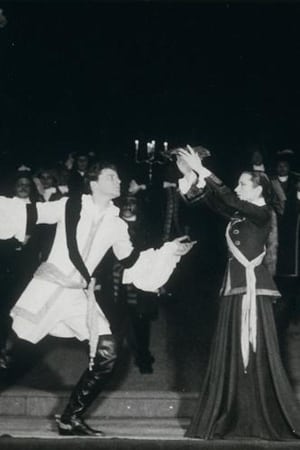
The T.N.P., the Théâtre National Populaire, an important experimental theater directed by Jean Vilar. Franju combines sequences from theatrical performances with documentary images, creating links and confrontations between theater and the real world.
Cinema and painting establish a fluid dialogue and begins with introspection in the themes and forms of the plastic work of a woman tormented by the elongated specters, originating from her obsessions and nightmares.
A camera sits on top of a moving train, providing a panoramic view of Ealing (western London) as the train moves.
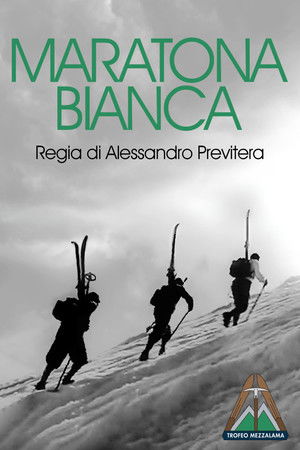
Documentary on one of the first editions of the Trofeo Mezzalama, the highest ski mountaineering race in Europe, at more than 4,200 meters above sea level, which takes place on the glaciers of Monte Rosa, from Breuil to Gressoney-La-Trinité, crossing the summits of Castor (4,199 meters) and Nez du Liskamm (4,100 meters). The film recounts the last hours of feverish preparation before the start, the teams preparing for the race linked in ropes, then follows the stages of the competition by following the groups of skiers from a plane. Created in 1933, the Trofeo Mezzalama was contested until 1938, before falling into oblivion during the war. A second version was organized from 1970 to 1973. A third biannual version has been organized since 1997.
A meditation on the human quest to transcend physicality, constructed from decaying archival footage and set to an original symphonic score.
The escort vessel with the harpoon searches for whales. The sailor on the observation mast points to a whale. The whale is hit with the harpoon. The prey is pulled into the main ship with winches, where it is cut up and processed immediately.
The film offers three excerpts from the life of a working blind person. It shows in particular the extent to which the guide dog can replace the blind person's lack of sight and how this results in a relationship of loyalty between man and animal of rare intimacy.
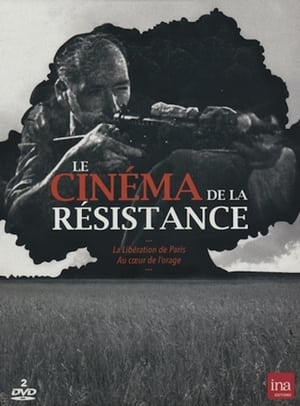
French Resistance's documentary during the liberation of Paris in August 1944.
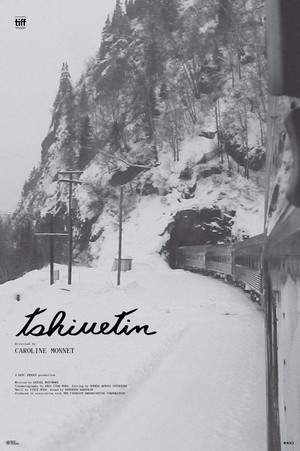
Take a breathtaking train a ride through Nothern Quebec and Labrador on Canada’s first First Nations-owned railway. Come for the celebration of the power of independence, the crucial importance of aboriginal owned businesses and stay for the beauty of the northern landscape.
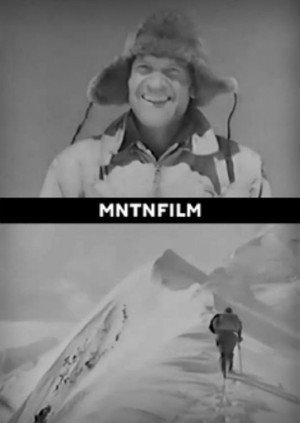
Brad and Barbara Washburn were filmed by National Geographic and RKO Pictures on their ascent of Mount McKinley in Alaska. The film is a pictorial record of the first scientific conquest of Mount McKinley, filmed with the cooperation of the Boston Museum of Science. The short is part of the RKO's 'This is America' documentary series.
Through an intimate conversation, Steph Jane, age 28, shares the struggles and lessons her second diagnosis of stage-4 cancer has taught her. From being genuinely present and savouring simple moments to thoughts of the future and what really matters, Steph reveals beauty and wisdom which transcend appearance and years.
The social democrats of the sixties and seventies worked on their grand plan to build a highway network in Germany that every German citizen could reach within five minutes of their home. The little film hangs around between and on the streets of this network - where the country discos, pedestrian zones, shopping centers, hospitals and roads home are behind noise barriers.
A documentary portrait of Calcutta
Short film about the manufacture of bricks.
Children get ready to start the first grade. They start learning the first letters.