The Falcons is an intimate, observational documentary that delves into the world of the Tshakhruk Ethnoband, a remarkable musical ensemble in the Armenian highlands. Comprised of special-needs children that reside at the state orphanage, these young musicians find solace, strength, and self-expression through the transformative power of music.
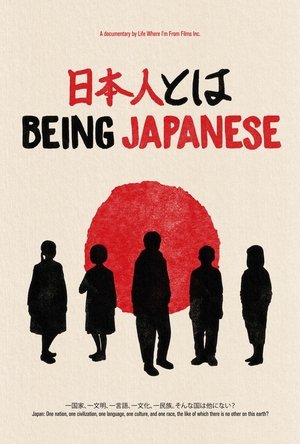
A documentary exploring what it means to be Japanese.
Renaixem
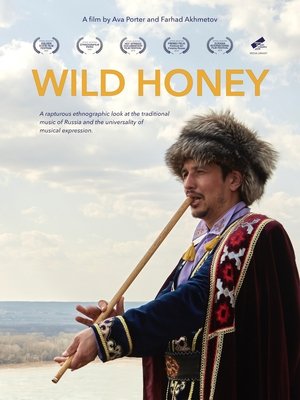
Wild Honey
“Te Pito o Te Henua” (The Navel of the World) tells the story of the community behind Rapa Nui’s largest and most colorful annual Indigenous celebration, the Tāpati Rapa Nui Festival. Honoring ancient rites and competitions, Rapa Nui families participate in nine days of athletic feats, cultural demonstrations and ceremonies paying respect to the land, water and other natural beings of the island. They also crown a Queen to represent her people for a year throughout Polynesia and on the world stage. The film traces the journey of 19-year-old candidate Vaitiare and her family as they join work to earn her the crown and represent this small but well-known island as its people fight for increased autonomy and recognition on the world stage. Through intimate character portraits, behind-the-curtain moments and heartfelt musical performances, “Te Pito o Te Henua” reveals the true meaning of Tāpati and the deep connections the Rapa Nui share with their lands and waters.
Educational film about Cyprus - landscape, people, work, traditions etc.
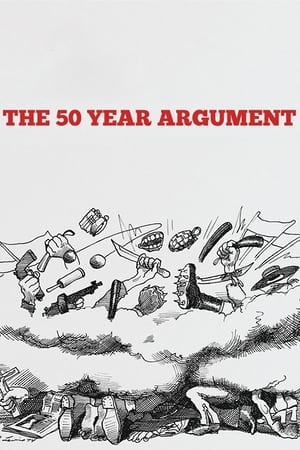
Follows the waves of literary, political, and cultural history as charted by the The New York Review of Books, America’s leading journal of ideas for over 50 years. Provocative, idiosyncratic and incendiary, the film weaves rarely seen archival material, contributor interviews, excerpts from writings by such icons as James Baldwin, Gore Vidal, and Joan Didion along with original verité footage filmed in the Review’s West Village offices.
T'Day
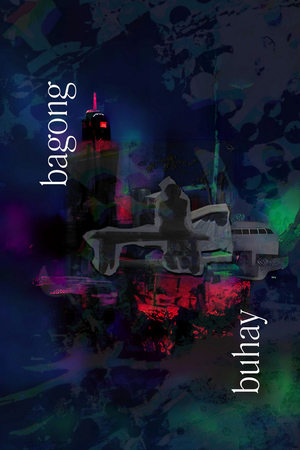
"Bagong Buhay" is a short experimental film that dispels the common belief that packing up and moving to a new place will magically improve one's quality of life. The film challenges this presumption by portraying two contrasting ways of life through objects and locations, encouraging viewers to think critically about the complexities of what makes a better life. In the Philippines, it's believed that relocating to a new area will bring about positive changes in one's existence. True satisfaction is a complex and multifaceted notion, and "Bagong Buhay" encourages us to ponder that relocating to a new place is not a surefire way to attain it.
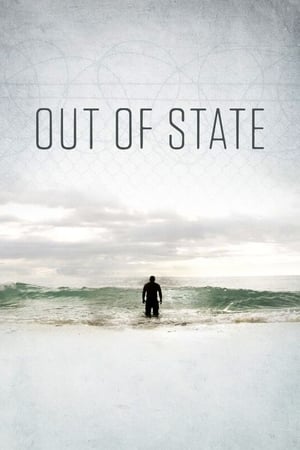
Out of State is the unlikely story of native Hawaiians men discovering their native culture as prisoners in the desert of Arizona, 3,000 miles, and across the ocean, from their island home.
It is normal for 15-year-old Linn to have two mothers. But when she finds out that there are still numerous siblings, she realizes that she is part of an extraordinary extended family. Her father Eike not only had an appointment with Linn's mothers to donate sperm, Petra and Anny also have three children with him. A film crew followed this rainbow family for twelve years.
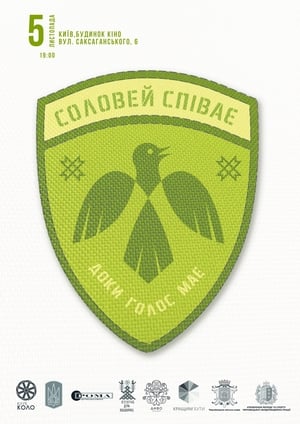
The movie explores the origin of the Ukrainian language and persecution of those who defended its authenticity. Using examples of other countries, creators of the film prove that a nation cannot exist without a language.
Le Fils
Through archival footage and testimonies from professors, students, staff, and graduates, the documentary traces the history of the National University of Arts, focusing on the Audiovisual Department, while critically addressing the impact of the current government's underfunding of education and cultural institutions in Argentina.
If you want to find world-class artisans, the small northern Labrador community of Hopedale offers you some of the best. Created through the St. John's International Women's Film Festival's FRAMED film education series, in partnership with the Nunatsiavut government, this film focuses on three prominent local craftspeople- two carvers and one traditional sewist.
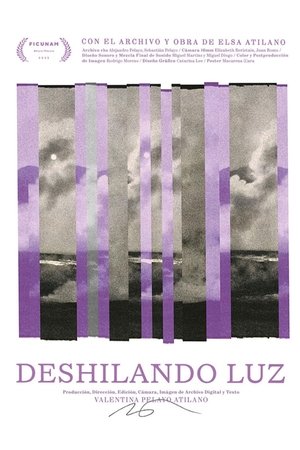
A film essay that intertwines the director's gaze with that of her late mother. Beyond exploring mourning and absence as exclusively painful experiences, the film pays tribute to her mother through memories embodied by places and objects that evidence the traces of her existence. The filmmaker asks herself: What does she owe her mother for who she is and how she films? To what extent does her film belong to her?
Hours and historical meetings, Pierre Assouline has composed an anthology of the best extracts presented in the form of a primer, which he had commented on by a surprised Bernard Pivot.
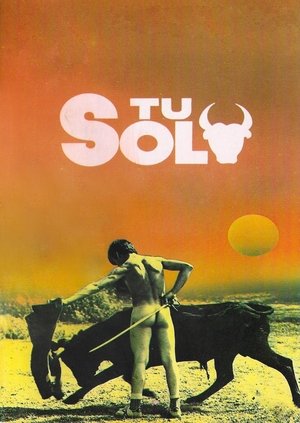
In their spare time, after their studies or their work, children and adolescents between the ages of eight and sixteen meet at the School of Bullfighting in Madrid to learn the Art of Cúchares: Torear. In their stomachs there is no hunger as in the past, their dreams do not lie in having a farmhouse and being famous. Their only dreams are to be in front of a bull, animal with which death goes, fact of which they are fully aware, as their teachers continually remind them. These, retired bullfighters, some by age, others by force and all with their bodies full of scars produced by the horns of a bull. The nude bullfighting scene is fascinating without being exploitive, and it serves as an analogy for the vulnerability these young bullfighters have when in the ring with the bulls.
A TV-hour length documentary film depicting the relationship between language, culture, place, music, tradition, and magic on an active volcano, in the Pacific nation of Vanuatu, on the island of Ambrym.
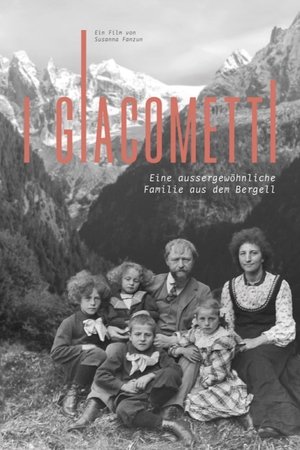
The rugged Swiss mountain valley of Bregaglia has produced an entire dynasty of artists: the Giacomettis. Alberto revolutionised the art world with his slender sculptures. Before him, his father was an Impressionist of the first hour. What makes this valley the birthplace of so many artists?