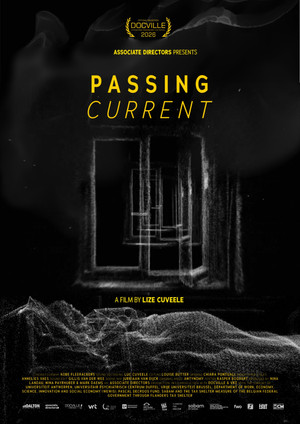
What “living on the autism spectrum” means for those affected and their environment. To find out, the camera team accompanied autistic people into their world. The documentary shows the challenges they face in their everyday lives and lets them tell their personal stories. It is accompanied by two renowned autism researchers, Tony Attwood and Professor Ludger Tebartz van Elst, and dispels the clichés that most people have about autistic people. Because autism is very diverse. The documentary takes an exclusive look at the current state of autism research in Professor Jürgen Knoblich's gene laboratory in Vienna.
An inspiring journey of recovery from two very different worlds. Set against the stunning backdrop of Kangaroo Valley in NSW, a revolutionary program brings together traumatised ex-racehorses and traumatised military veterans - to help rebuild each other, and transform lives.
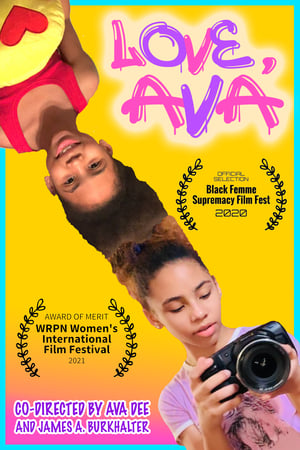
Keenly aware that his niece is going through a particularly rough time at home, Uncle James teaches Ava Dee how to use the Blackmagic Pocket Cinema Camera. As an experiment, he tells her to shoot whatever she wants and he'll edit it into a film.
The Élan School was a for-profit, residential behavior modification program and therapeutic boarding school located deep within the woods of Maine. Delinquent teenagers who failed to comply with other treatment programs were referred to the school as a last resort. Treatment entailed harsh discipline, surveillance, degradation, and downright abuse. Years later, the patients who were institutionalized in this facility still carry the trauma they endured, with mixed opinions on the impact of their experience.
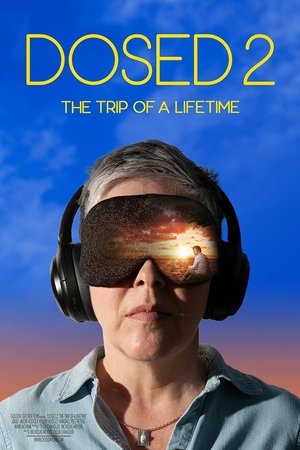
Laurie, a terminally ill cancer patient and loving mother of four, is granted the right to legally use magic mushrooms to treat her end of life anxiety. She then embarks on a remarkable journey of personal transformation and healing while exploring lesser known possible cures for cancer, like cannabis oil.
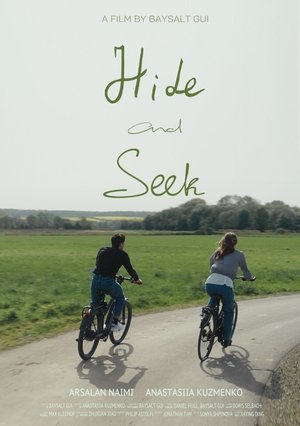
This documentary follows two long-lost Ukrainian friends, Arsalan and Nastya, as they reconnect in Germany after russia's full-scale invasion against Ukraine. Arsalan, an actor now in Frankfurt after time in a refugee camp, and Nastya, journalist and producer who stayed in Kyiv, reflect on the divergent paths their lives have taken due to the war. Through their conversations and therapy sessions, the film explores themes of displacement, identity, and the emotional impact of war on youth.
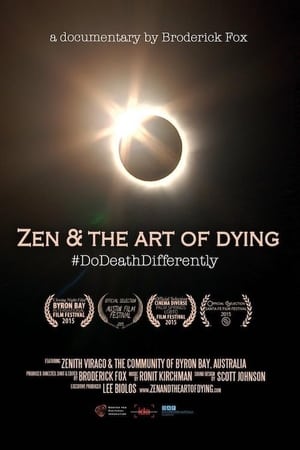
Zenith Virago is an activist and educator who for over 20 years has been returning the coastal region of Byron Bay, Australia to a more communal, celebratory, and creative engagement with death and dying.
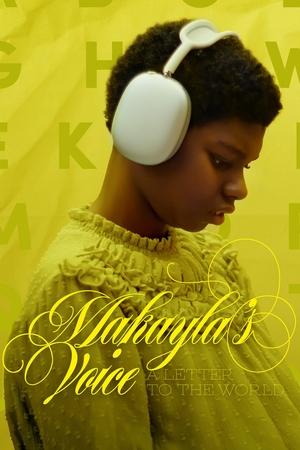
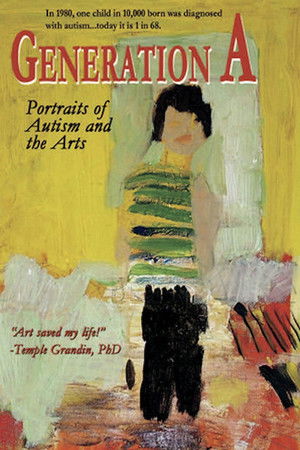
A teen with autism unlocks a joyous world of self-expression as she shares her voice for the first time using a letter board.
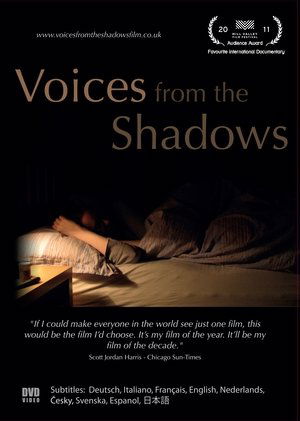
‘Voices from the Shadows’ shows the brave and sometimes heartrending stories of five ME patients and their carers, along with input from Dr Nigel Speight, Prof Leonard Jason and Prof Malcolm Hooper. These were filmed and edited between 2009 and 2011, by the brother and mother of an ME patient in the UK. It shows the devastating consequences that occur when patients are disbelieved and the illness is misunderstood. Severe and lasting relapse occurs when patients are given inappropriate psychological or behavioural management: management that ignores the severe amplification of symptoms that can be caused by increased physical or mental activity or exposure to stimuli, and by further infections. A belief in behavioural and psychological causes, particularly when ME becomes very severe and chronic, following mismanagement, is still taught to medical students and healthcare professionals in the UK. As a consequence, situations similar to those shown in the film continue to occur.
'Therapy Below Zero', is a riveting new documentary filmed in Newfoundland and Labrador. Audiences are plunged into the icy depths of a revolutionary treatment that's transforming lives - cold water therapy.
Inside the dramatic search for a cure to ME/CFS (Myalgic Encephalomyelitis/Chronic Fatigue Syndrome). 17 million people around the world suffer from what ME/CFS has been known as a mystery illness, delegated to the psychological realm, until now. A scientist in the only neuro immune institute in the world may have come up with the answer. An important human drama, plays out on the quest for the truth.
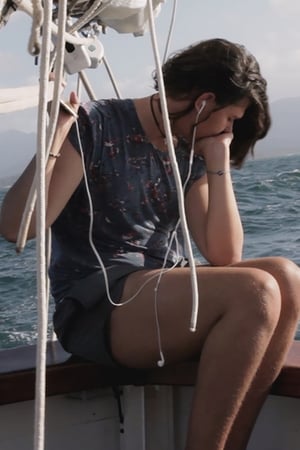
On a sailboat in the middle of the Ocean, five teenagers in rehabilitation are travelling with adults of different ages and backgrounds. Off unknown coastlines, the boat’s space becomes a huis-clos in which everyone faces their own difficulties, the challenge of living together and also the manoeuvres of sailing, the Ocean and its turmoil—until the arrival on land.
In 2007, Gillian Wearing placed an advert – in newspapers, online, in job centers, and elsewhere. It read: “Would you like to be in a film? You can play yourself or a fictional character. Call Gillian.” Of the hundreds of people who replied, seven – chosen through an extended process of auditions, interviews, and workshops – ended up appearing in Self Made. Of those seven, five in particular use the acting technique known as Method to delve into their memories, impulses, anxieties, fears, fantasies, and inner resources to create a series of individual performance vignettes, their personal ‘end scenes’, that reveal with particular intensity and clarity who they really are deep down – or who, in another version of their lives, they might easily have been.
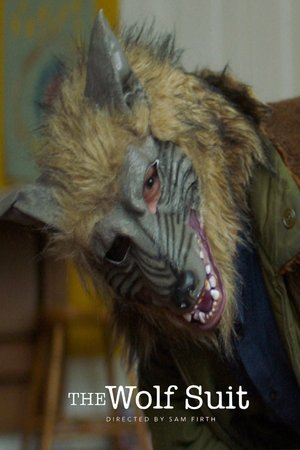
How much can you trust your childhood memories? Director Sam Firth investigates, sweeping her parents into the experiment and on a journey into the past.
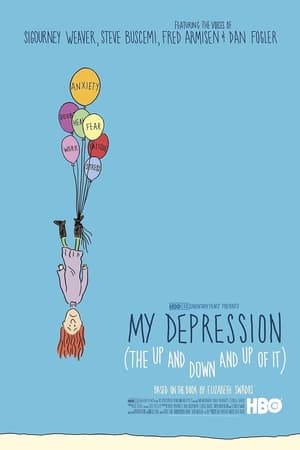
Based on Elizabeth Swados’ picture book of the same name, this animated short film charts one woman's struggle with depression.
Dépression, de l'ombre à la lumière
Recounted mostly through animation to protect his identity, Amin looks back over his past as a child refugee from Afghanistan as he grapples with a secret he’s kept hidden for 20 years.
The film discusses the emotional aftermath of disasters, emphasizing the importance of expressing feelings and seeking help. It highlights personal experiences of individuals affected by hurricanes and earthquakes, focusing on their feelings of guilt, anxiety, and the need for support. The discussion underscores that sharing experiences can alleviate emotional pain and that professional help should be sought for those struggling to cope with trauma.
When therapy and medication fail to provide any relief for severe depression, electroconvulsive therapy (ECT) – better known as electroshock therapy – can offer a solution. Mie and Tine have been struggling with depression for years. Their hopes are now pinned on ECT. How are they experiencing their treatment? Are they gradually regaining their old selves? And how are they coping with the fog that remains after an ECT session?
The film is not merely a record of rehearsals, but above all an intimate look at the relationships between its individual protagonists. Nor is it a classic documentary, because the line between acting, creation, and recording reality is too thin. The film thus reflects not only the aging of outstanding actors, but also their relationship to today's world and their disappointment with the current state of Czech film and theater. It speaks to their fears, desires, and efforts to give their best.