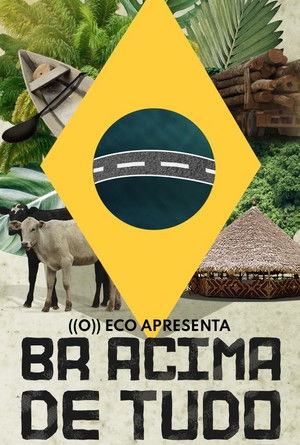
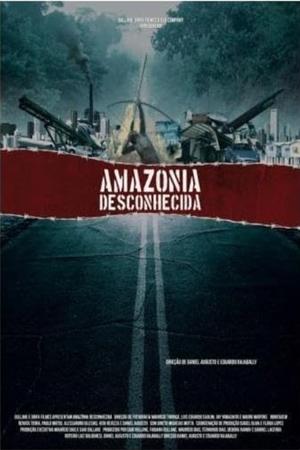
In the north of the state of Pará is the largest block of protected forests in the world; an area of Amazon rainforest the size of the UK and home to a multitude of stories. Indigenous people, ranchers, squatters, quilombolas, businessmen and politicians reflect in their own way the impacts of the possible expansion of the BR-163 into the forest, as far as the border with Suriname. The highway project was created at the time of the military dictatorship, and until today as a shadow over the region. But this is not a movie about a road. It is a film about the abysses that separate those who share the same land.
“Te Pito o Te Henua” (The Navel of the World) tells the story of the community behind Rapa Nui’s largest and most colorful annual Indigenous celebration, the Tāpati Rapa Nui Festival. Honoring ancient rites and competitions, Rapa Nui families participate in nine days of athletic feats, cultural demonstrations and ceremonies paying respect to the land, water and other natural beings of the island. They also crown a Queen to represent her people for a year throughout Polynesia and on the world stage. The film traces the journey of 19-year-old candidate Vaitiare and her family as they join work to earn her the crown and represent this small but well-known island as its people fight for increased autonomy and recognition on the world stage. Through intimate character portraits, behind-the-curtain moments and heartfelt musical performances, “Te Pito o Te Henua” reveals the true meaning of Tāpati and the deep connections the Rapa Nui share with their lands and waters.
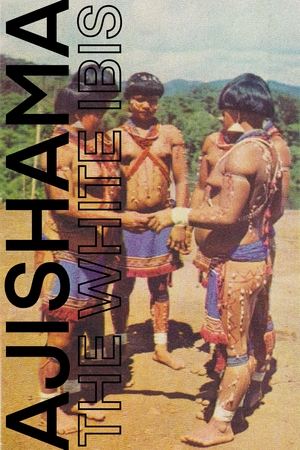
Shot in Venezuela over a 30-year period, this documentary depicts the life and work of José Maria Korta, the controversial Jesuit Missionary with the Ye'kwana people of the Amazon.
Le Grand Entretien avec Philippe Descola
Ikátena
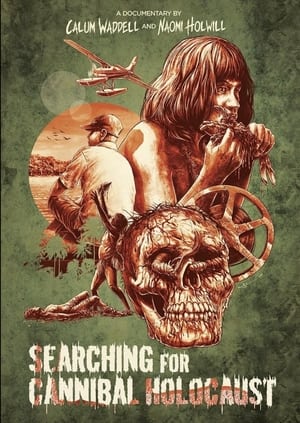
Italian horror fan and academic Calum Waddell speaks with some of the original makers of the controversial horror classic "Cannibal Holocaust" before venturing into the Amazon jungle and surrounding city port, Leticia, to uncover some of the local stories behind the making of the motion picture. What is uncovered, however, leads to a wider and unexpected "true crime" story.
Documentary about the conflicts currently involving the Amazon. The film captures the everyday activity of several social groups fighting for their space, such as indians, landowners, landless workers, prospectors, among others. Scientists, specialists and public figures are interviewed, aiming to map out the current state of things and the consequences of the human occupation of the Brazilian Amazon.
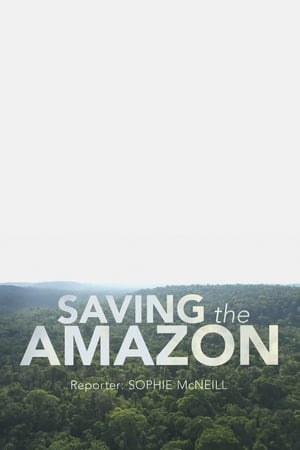
The Amazon plays a vital part in regulating the planet's temperature. Yet, last year, forest destruction in the Brazilian Amazon soared by 85 per cent. Illegal logging and slash-and-burn agriculture are decimating the land. With huge profits to be made, the Amazon is a dangerous place to ask questions. Despite the threat, the Amazonian tribes want the world to hear their message.
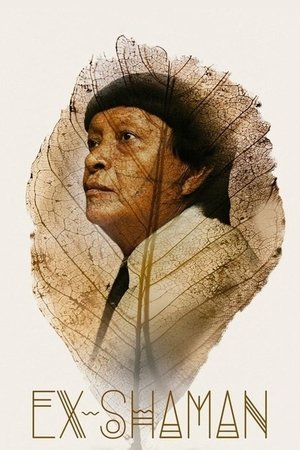
Ever since their first contact with the Western world in 1969 the Paiter Suruí, an indigenous people living in the Amazon basin, have been exposed to sweeping social changes. Smartphones, gas, electricity, medicines, weapons and social media have now replaced their traditional way of life. Illness is a risk for a community increasingly unable to isolate itself from the modernization brought by white people or the power of the church. Ethnocide threatens to destroy their soul. With dogged persistence, Perpera, a former shaman, is searching for a way to restore the old vitality to his village.
The climate is changing, and the Indigenous peoples of the Xingu Indigenous Park, in Mato Grosso, Brazil, are reading the signs everywhere. Trees no longer bloom when they should, fires spread through the forest, the cicadas that once announced the rains have fallen silent, and crops spoil before they ripen. The swallows that used to herald the rainy season no longer appear in the sky. Surrounded by decades of deforestation for soy, corn and cattle, the Xingu peoples look at these devastating changes and wonder what kind of future awaits their grandchildren.
Eami means ‘forest’ in Ayoreo. It also means ‘world’. The story happens in the Paraguayan Chaco, the territory with the highest deforestation rate in the world. 25,000 hectares of forest are being deforested a month in this territory which would mean an average of 841 hectares a day or 35 hectares per hour. The forest barely lives and this only due to a reserve that the Totobiegosode people achieved in a legal manner. They call Chaidi this place which means ancestral land or the place where we always lived and it is part of the "Ayoreo Totobiegosode Natural and Cultural Heritage". Before this, they had to live through the traumatic situation of leaving the territory behind and surviving a war. It is the story of the Ayoreo Totobiegosode people, told from the point of view of Asoja, a bird-god with the ability to bring an omniscient- temporal gaze, who becomes the narrator of this story developed in a crossing between documentary and fiction.
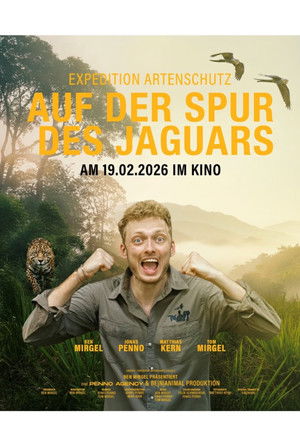
Expedition Artenschutz - Auf der Spur des Jaguars
Lovci lebek
Documentary about Indigenous peoples' profound connection to nature and their struggle against deforestation, a grave threat to their way of life and the ecosystem they call home.
Les secrets des fresques d'Amazonie
Scenes of daily life in the Indian communities of Ecuador.
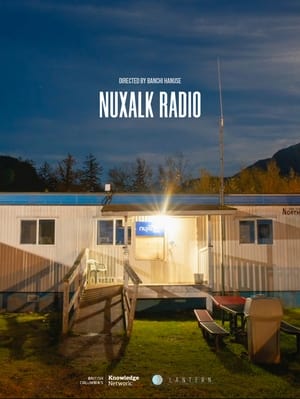
A day in the life of 91.1, Nuxalk Radio, a radio station built to help keep the Nuxalk language alive while broadcasting the laws of the lands and waters.
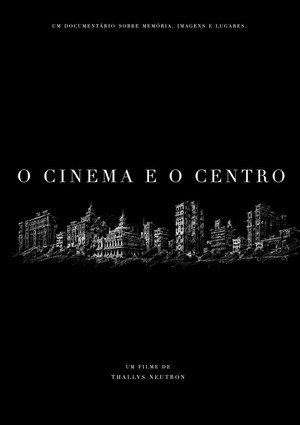
At the heart of Manaus, two of the city’s last remaining street cinemas continue to endure: the historic Cine Carmen Miranda and Casarão de Ideias. O Cinema e o Centro explores their histories, challenges, and achievements, reflecting on the role of these spaces in an era shaped by streaming, shopping malls, and social media. More than movie theaters, they emerge as gathering places, sites of cultural resistance, and symbols of the enduring relationship between the city and the seventh art.
A conquista da floresta
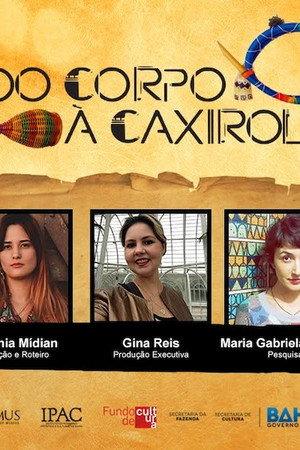
Do Corpo à Caxirola