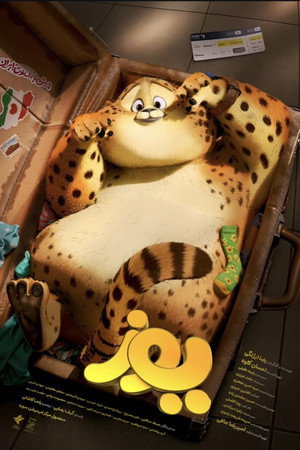
An Asiatic Cheetah goes through a long-winded journey to return home...
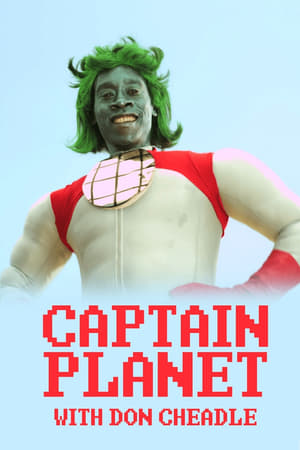
Don Cheadle is obviously the best person to play Captain Planet in the movie version of the popular cartoon, hopefully they make his character a nicer guy.
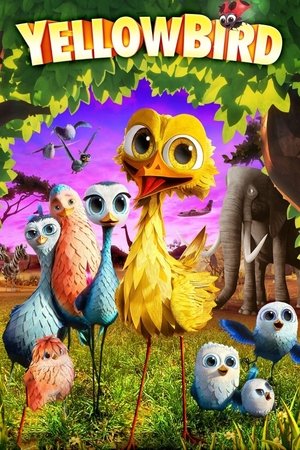
Yellowbird lives in the ruins of an old house. He lacks the confidence to leave his home, no matter how much Bug, his labybird friend, tries to convince him to go out into the world. Attempts to toughen him up have had little success, so Bug seizes an opportunity that leaves Yellowbird unexpectedly finding himself the new leader of the flock that is migrating to Africa. Still, lacking faith in his own abilities and with danger and imminent failure lurking around every corner, our feathered hero is forced to either find the strength required to work with the team or bow out and stay hidden away forever.
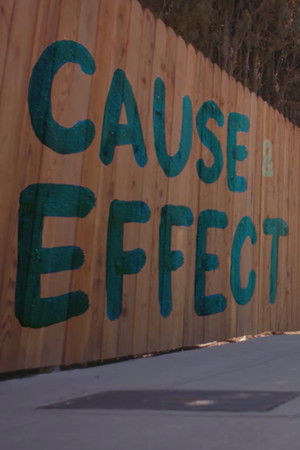
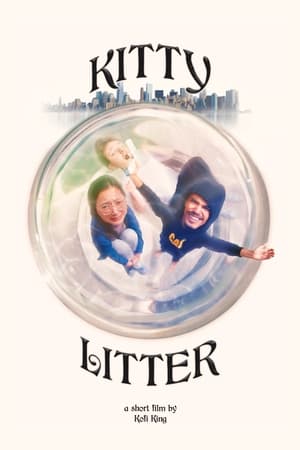
One simple act of littering sets off a karmic chain reaction for citygoers on a lazy weekend afternoon.
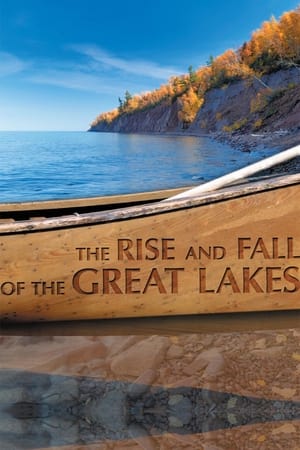
A lesson in geography, which concludes that although the Great Lakes have had their ups and downs, nothing has been harder to take than what humans have done to them lately. In the film, a lone canoeist lives through the changes of geological history, through Ice Age and flood, only to find himself in the end trapped in a sea of scum.
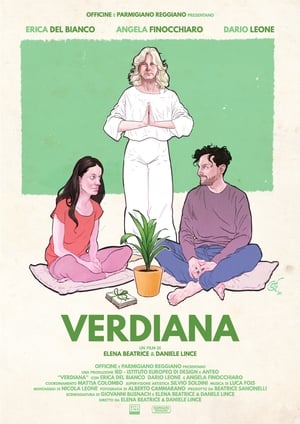
After a big fight, a couple wakes up with an unbelievable problem: he can't speak and she can't hear anything. Doctors and exams are useless. A female Zen Master and a very special plant come to their aid.
In a not so far future, the discovery of teleportation allows an historical shift towards a car-free world... But not without cost.
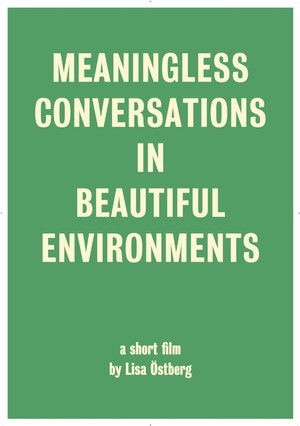
Against a backdrop of magnificent landscapes and epic tableaus, banal conversations take place between characters who are comically oblivious to their surroundings.
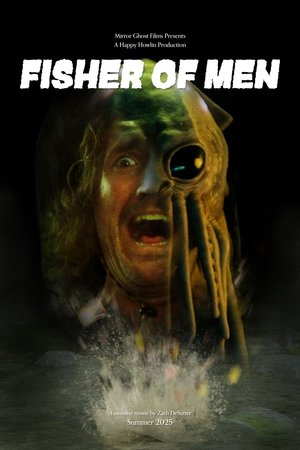
A tentacled lake monster exacts revenge upon a noble but flawed fisherman.
A curious teenager, a sheltered screen-ager, and a paranoid patriot fall into a hopeless domino of mischief and misconceptions.
In this detective story, filmmaker Cullen Hoback investigates the largest chemical drinking water contamination in a generation. But something is rotten in state and federal regulatory agencies, and through years of persistent journalism, we learn the shocking truth about what’s really happening with drinking water in America.
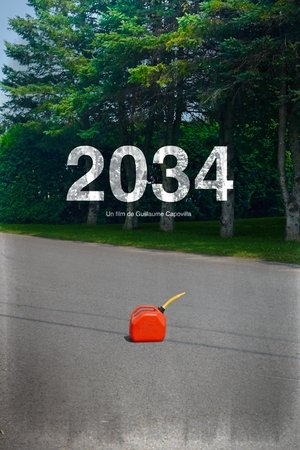
We find ourselves scrolling through a regular social media feed. Except it is the year 2034. And humans just invented a possible way to deal with climate change: Growth Project. A technology that allows us to grow forests in a matter of minutes. People are voting and sharing their opinions whether Growth Project should be put into practice or not…
As more and more of us use and replace electronic devices, manufacturers have failed to offer solutions for how to deal with the resulting waste. Much of it is exported to a toxic dump in Ghana, where scavengers do their best to salvage what they can.
As the most dammed, dibbed, and diverted river in the world struggles to support thirty million people and the peace-keeping agreement known as the Colorado River Pact reaches its limits, WATERSHED introduces hope. Can we meet the needs of a growing population in the face of rising temperatures and lower rainfall in an already arid land? Can we find harmony amongst the competing interests of cities, agriculture, industry, recreation, wildlife, and indigenous communities with rights to the water? Sweeping through seven U.S. and two Mexican states, the Colorado River is a lifeline to expanding populations and booming urban centers that demand water for drinking, sanitation and energy generation. And with 70% of the rivers’ water supporting agriculture, the river already runs dry before it reaches its natural end at the Gulf of California. Unless action is taken, the river will continue its retreat – a potentially catastrophic scenario for the millions who depend on it.
Peter Westerveld, artist and visionary, doesn’t want institutions to resolve the problems linked to earth’s problems. Growing up in Africa, he witnessed the advance of the desert and dedicated himself to finding solutions for the ongoing erosion and desertification of the land. The film follows Peter and the NGO working with him to realise his project; to build contour trenches that capture and store rain water under the surface and replenish the desert land.
Takes viewers inside the homes of people seriously affected by increasingly ferocious floods hitting the UK. With one in six British homes now at risk of flooding, residents across the country count the cost, both financial and mental, to their communities affected by flooding over the last decade.
Since World War II North Americans have invested much of their newfound wealth in suburbia. It has promised a sense of space, affordability, family life and upward mobility. As the population of suburban sprawl has exploded in the past 50 years Suburbia, and all it promises, has become the American Dream. But as we enter the 21st century, serious questions are beginning to emerge...
What starts as a desire to experience nature more intimately develops into a relatable conversation on alternative pathways through life. Two friends go on a two-year road trip through Latin America. Presenting an insight into long term travel and how engaging in new cultures and environments can help widen our perspective and deepen our understanding of the world we live in. Pacifico forms a discussion around the pros and cons of living in the moment; Showing how slowing down and observing the world mindfully can aid in gaining perspective and broaden an understanding of what is important in life.
Narrated by Academy Award winners Sissy Spacek and Herbie Hancock, River of Gold is the disturbing account of a clandestine journey into Peru's Amazon rainforest to uncover the savage unraveling of pristine jungle. What will be the fate of this critical region of priceless biodiversity as these extraordinarily beautiful forests are turned into a hellish wasteland?
Takes us to locations all around the US and shows us the heavy toll that modern technology is having on humans and the earth. The visual tone poem contains neither dialogue nor a vocalized narration: its tone is set by the juxtaposition of images and the exceptional music by Philip Glass.