Georges Remi, known as Hergé, a complex and complicated artist, created Tintin, one of the most famous characters in the world. With exceptional access to the archives of Studios Hergé and Moulinsart, this documentary looks at Remi's life and the way he changed the art of comic.
In recent years, the Netherlands and Belgium have become major drug trafficking hubs in Europe, with almost 80% of the continent's cocaine passing through Rotterdam or Antwerp. This has led to the rise of the “Mocro Mafia,” criminal networks of Dutch people of Moroccan origin. These gangs began by trafficking hashish from Morocco but now use the same routes for the more profitable cocaine trade, sourced from Latin American cartels. Consequently, the “Mocro Mafia” has become one of the world’s richest criminal organizations, generating an estimated fifty billion euros annually in Antwerp alone—10% of Belgium’s budget.
Tomorrowland : 20 ans d'émotions
Belgique nazie
The Smurfs were created in 1958 by the Belgian comic author Peyo (Pierre Culliford, 1928-1992) and they are one of Belgium's most recognized exports. From Brussels to Los Angeles, via Dubai, a journey into the tiny world of the famous little blue people, from the story of the creation of the original comic to the account of their huge global commercial exploitation.
Documentary about what makes a house a home.
De Ronde 101
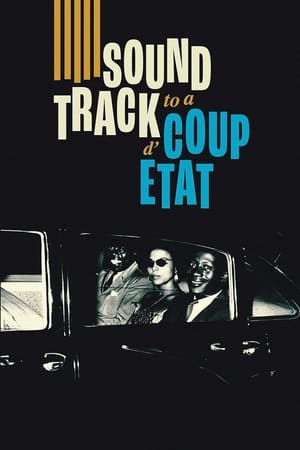
Jazz and decolonization are intertwined in a powerful narrative that recounts one of the tensest episodes of the Cold War.
1962. A crystalline voice becomes a planetary tube. A Belgian nun jostles Elvis and the Beatles on the world charts. Her name: Sister Smile. A popstar with the trajectory of a comet who understands her success no more than the double meaning of her words… The harder the fall will be. Even God does not protect sharks' appetites or pretenses of success! Who killed the little voice of God? Here is the tragic story of an innocent voice, of an extraordinary fate, almost of a curse ...
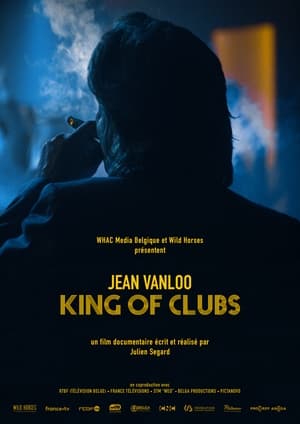
From Jimi Hendrix to Patrick Hernandez and even Madonna, everybody crossed the path of Jean Vanloo. Who is this mysterious character from Moeskroen in Belgium? From the 60’s to the 80’s, this documentary tells the story of this improbable music producer, creator of the unforgettable hit “Born to be Alive”.
Bronzen Belgen
De Gemiste Kans, EK 2016
Charles Vandenhove, architecte de l'art
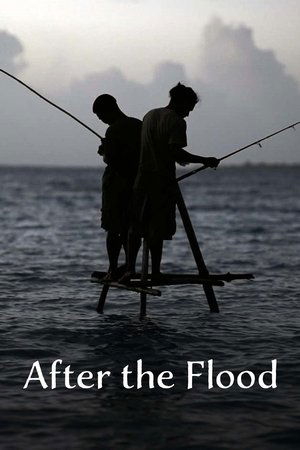
Après le déluge
What happens when a world that relies on traffic and the logistics that allow it comes to a standstill? What happens when sickness and even death are taken from us?
Filmed on location, Flandrien tells the story of the Flanders region of Belgium. Rich in history, full of flavor and adventure, Flanders abounds with captivating visuals. Cycling is central to the lifestyle and culture of the area. From the onset, the question arises: What is a Flandrien? The journey strips away the layers to discover and understanding where, why, and within whom the Flandrien spirit lives. Along the way, the treasures, triumphs, and tragedies of Flanders are revealed. Flandrien shares insights from some of the cycling greats of Belgium and around the world who devoted their lives to a sport so ingrained in the culture it is inextricable.
Two women and two men tell their stories of exile caused by being lesbian, transgender, bisexual and gay.
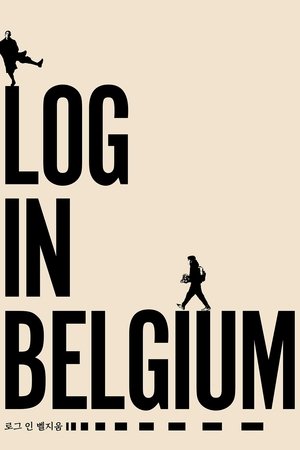
“To me films are an imaginary world where emotion comes into play.” YOO Teo traveled to Belgium to make his movie but he ended up being locked down due to COVID-19. This film is about his 15-days of quarantine in Antwerp Hotel fighting for his movie and loneliness. He also depicted his most personal story. This is the debut film of YOO Teo both as the star and the director.
Lao Yang is head of logistics of the group. He is responsible for the equipment, building materials and food (mainly chickens) to arrive in the isolated Chinese prefab camp. The Congolese government was supposed to deliver these things but so far the team hasn't received anything. With Eddy (a Congolese man who speaks Mandarin fluently) as an intermediate, Lao Yang is forced to leave the camp and deal with local Congolese entrepreneurs, because without the construction materials the road works will cease. What follows is an endless, harsh, but absurdly funny roller coaster of negotiations and misunderstandings, as Lao Yang learns about the Congolese way of making deals.
Structured in visual chapters: the port, anchors, the wind, the spray, the dunes, the North Sea… A series of images that need no anecdote or explanation. Storck offers a glimpse of Ostend, aspects that order its multiple constitutive elements; The water, the sand, the waves, vital cinematic language displayed in simple pictures. A poetic and kinetic shock, without fiction or sound, which relieves film from its narrative obligation and restores it to the world of sensations that it can alone carry.