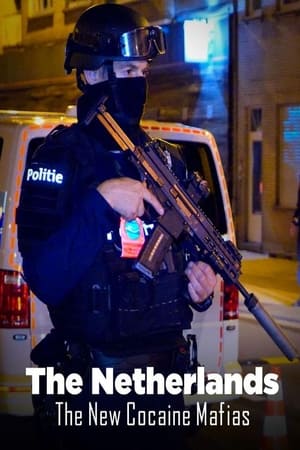
In recent years, the Netherlands and Belgium have become major drug trafficking hubs in Europe, with almost 80% of the continent's cocaine passing through Rotterdam or Antwerp. This has led to the rise of the “Mocro Mafia,” criminal networks of Dutch people of Moroccan origin. These gangs began by trafficking hashish from Morocco but now use the same routes for the more profitable cocaine trade, sourced from Latin American cartels. Consequently, the “Mocro Mafia” has become one of the world’s richest criminal organizations, generating an estimated fifty billion euros annually in Antwerp alone—10% of Belgium’s budget.
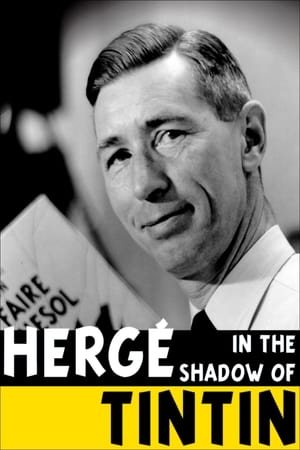
Georges Remi, known as Hergé, a complex and complicated artist, created Tintin, one of the most famous characters in the world. With exceptional access to the archives of Studios Hergé and Moulinsart, this documentary looks at Remi's life and the way he changed the art of comic.
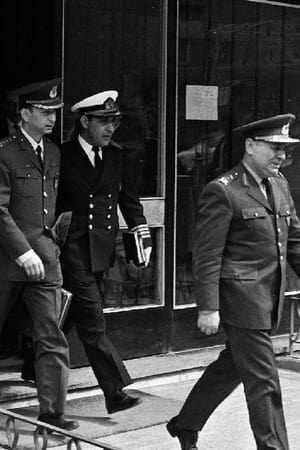
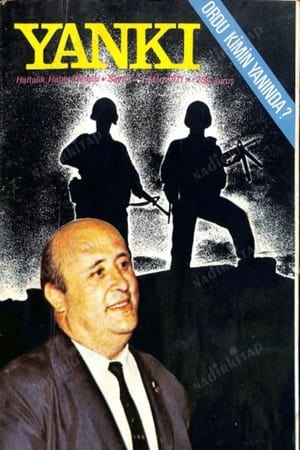
When March of 1971 knocked on the door, a military intervention was imminent in the country. Bombs were exploding in a strange way from right to left, and the urban guerrilla was resorting to unconventional acts such as bank robbery and kidnapping. The generals had decided to put a stop to this trend. Dynamite was placed under Prime Minister Demirel. The question now was who would ignite the fuse of the dynamite. President Sunay was waiting to watch the approaching explosion silently from Çankaya. Tuğmaç, Chief of General Staff, tried to delay the explosion as much as possible, preferring Demirel to self-destruct. The two generals were watching each other to see who would ignite the fuse first. These two generals were Faruk Gürler and Muhsin Batur. The fire was in their hands. They were going to detonate the dynamite...
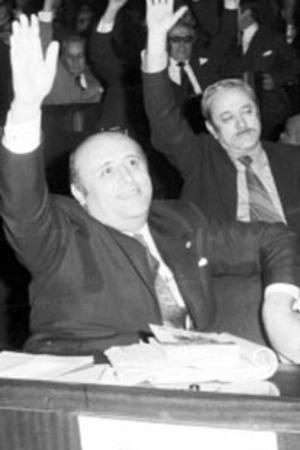
Demirkırat stumbled on March 12, 1971. Actually, you know, they shoot limping horses. But this time it didn't. Turkish democracy continued to run despite its wounds. Because March 12 was not a "seizure" but a "warning". The generals were saying, "If what we want is not done, we will seize it." The country was entering a new era under this Sword of Damocles. A president who was helpless in the face of events, a prime minister who had to leave his seat, a newly fallen parliament, four generals neither inside nor outside the power... Now, a solution would be tried to be found out of this complex equation. But how and with whom? No one knew the answer to these questions in Turkey on the morning of March 13.
We are now saying goodbye to the 1960s. The 60's started eventfully on May 27. It ended as eventfully as it began. The '70s inherited escalating violence, student riots, and rumors of intervention. Prime Minister Demirel was trying to put out the fire in the street and to calm the increasingly restless army on the other. The October 1969 elections were held in this atmosphere and the Justice Party came out of the ballot box again. May 27 came by overthrowing the DP government, but the AP, which declared that three of the three elections held since the 1960s, were the continuation of the DP, emerged successfully. Demirel was about to roll up his sleeves for a new era. He felt that no one could stop him now. He was wrong. As he was dizzy from victory, he fell at Caesar's fault. Forgot about Brutus...
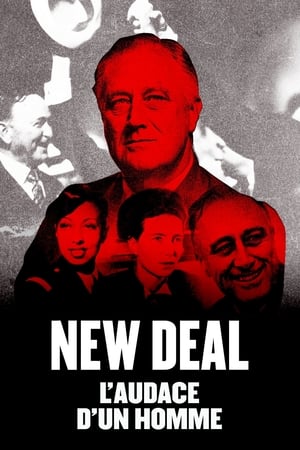
Elected in November 1932, as the economic crisis ravaged the United States, Franklin Delano Roosevelt immediately put all his campaign promises into action: it was time for the "New Deal". This bold plan, designed to turn around a nation on the brink of collapse, where unemployment was at an all-time high and the working poor were suffering from the precariousness of the job market, was intended to give hope to a country that had been battered before anything else. Once he came to power, the new president from the Democratic Party immediately passed some fifteen laws designed to revive the economy.
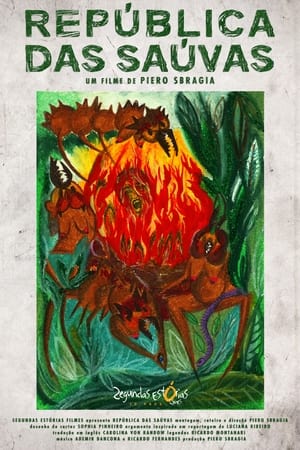
One of the greatest pests on the planet, the evil ants destroy the forest to protect their family. Memories of the covid-19 pandemic, eroded by ignorance and negationism. What's left in this great country of worms and viruses?
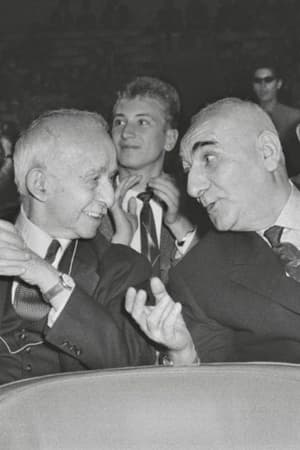
Staff Colonel Talat Aydemir... Aydemir's February 22 rebellion was the first revolutionary attempt in Turkey that faced resistance. But it was also the most dangerous... The thing the army feared most happened to him. The most undesirable possibility of the commanders in charge came true and friction broke out between the armies. At that time, the commander of 27 May, Cemal Aga, was appointed to the presidency, but the discomfort did not end. A group led by Colonel Talat Aydemir sought to intervene again. However, a part of the army, especially the Air Force, left Aydemir alone at the last moment. Talat was still strong in Ankara. In order to break this power, Prime Minister İnönü found the formula to dismiss the leaders of the rebel officers and appoint them to the East. Here is February 22, the day when these appointments will be announced to the rebels. The apocalypse was expected that day. And it broke that day...
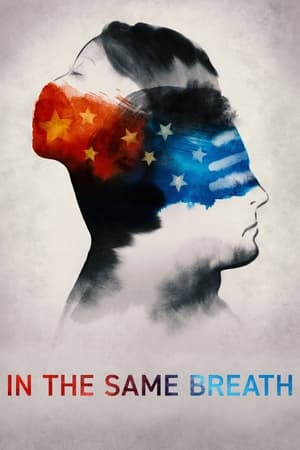
This documentary recounts the experiences of people on the ground in the earliest days of the novel coronavirus and the way two countries dealt with its initial spread, from the first days of the outbreak in Wuhan to its rampage across the United States.
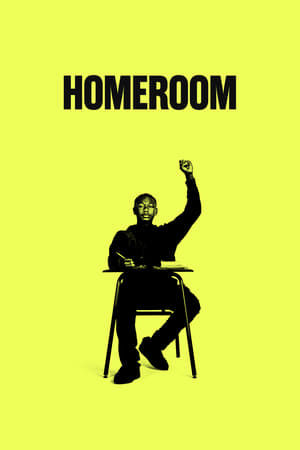
Following the class of 2020 at Oakland High School in a year marked by seismic change, exploring the emotional world of teenagers coming of age against the backdrop of a rapidly changing world.
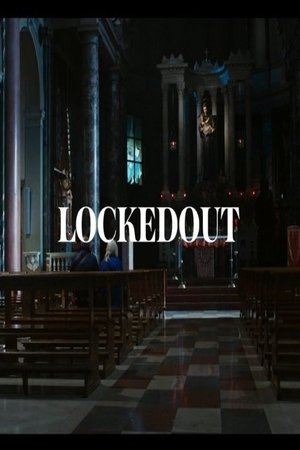
A short documentary about a homeless couple who face the ban on being on the street during 2020 quarantine. Just through their eyes, the two protagonists show us a different Milan, silent and suspended.
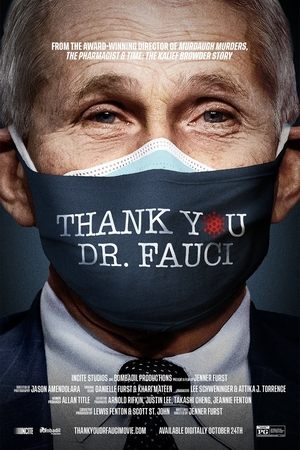
Award-winning documentarian Jenner Furst seeks answers from Dr. Fauci about the origins of COVID-19, a bio-arms race with China, and what could be the largest coverup in modern history. Awaiting Fauci’s reply, Furst falls down a rabbit hole, decoding hundreds of thousands of pages of documents with prominent scientists, intelligence analysts, former government officials, and whistleblowers. Risking career and reputation, Furst depoliticizes one of the most controversial stories of our time, in an urgent scientific docu-thriller that is Oppenheimer meets Outbreak.
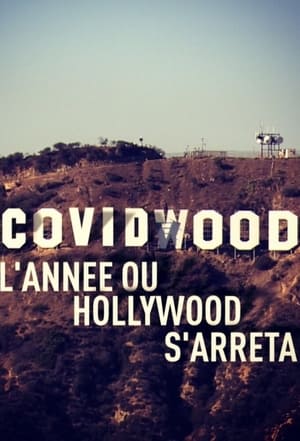
A French documentary on how Covid-19 affected Hollywood and the cinema industry in the United States.
Tracking missing socks in the European Union.
In his second international bestseller, "Arc de Triomphe," author Erich Maria Remarque explores his own experience of exile and his decisive encounter with Marlene Dietrich. From Paris and Antibes to Los Angeles and New York, the documentary traces the moving genesis of this highly autobiographical novel, now considered a major work of European exile literature, and the literary legacy of the long-standing passion between two global stars.
While the film focuses on a mother and son’s relationship, it investigates the long-term effects of the immigration of the filmmaker’s family from Bulgaria to Turkey and the life of a widow in a patriarchal culture.
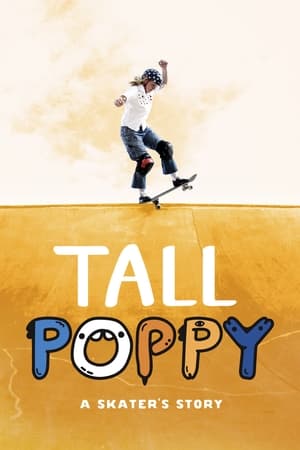
A child who just loved to skate from the age of eight, Poppy Starr Olsen became the number one female bowl skater in Australia at 14 and went on to take out bronze at the XGames at 17 - the ultimate competition in the world of skateboarding. The same year, skateboarding was announced as an official additional sport category at the Tokyo 2020 Olympics. Now faced with the opportunity to represent Australia on the world stage Poppy grapples with the transition from skater to athlete and the pressure of competition mounts in a way it has never done before.
A thorough look at the 90's Turkish rock scene, one legendary stage band and its two members: Kerim Capli and Yavuz Cetin... An inquiry of their existential battles with the society, the industry and their own minds.
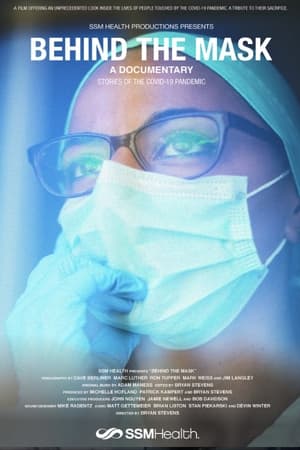
A look behind the scenes revealing the courage and resilience of caregivers, patients, and their families during the COVID-19 pandemic. It is ultimately a story of hope and healing.
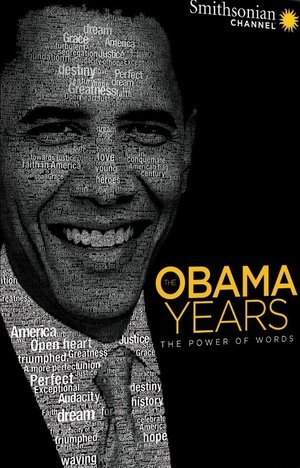
Barack Obama launched into our national consciousness at the 2004 Democratic National Convention and ever since, he's delivered messages of patriotism, unity, and hope through the power of words. But of all the speeches he's given, six in particular may define his legacy as, in historian Doris Kearns Goodwin's words, "one of the best writers and orators in the presidency." Interviews with eminent historians and key figures in his writing process give rare insights into these iconic speeches, as well as the Obama presidency and the man himself.