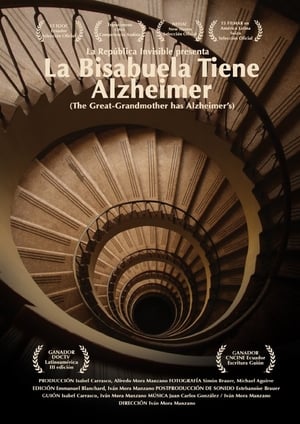
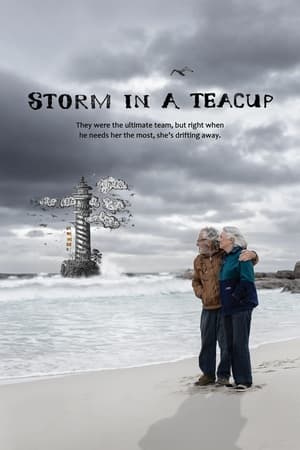
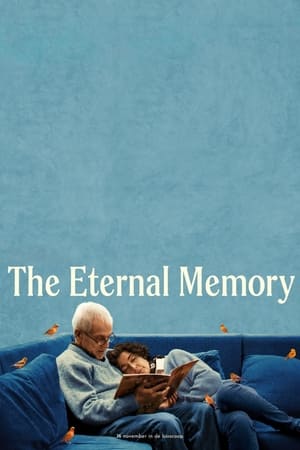
For more than a decade, my grandmother has been the tireless caregiver of my grandfather, who suffers from Alzheimer's disease. Through this story, we explore the love, sacrifice, and despair of someone who devotes their life to caring for another.
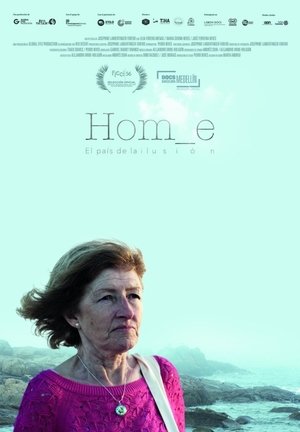
Lilia, a Colombian citizen, has lived in eight countries around the world. Now, at the age of 67, she grows old alone in Portugal, caring for an Alzheimer's patient. The filmmaker asks her mother Lilia if she has found home and if she will ever return to Colombia, her native country she hasn't visited for the past 40 years. HOME is a personal-approach documentary about loneliness and the sense of belonging.
The lastest neuroscience discoveries show surprising results: false memories, distortion, modification, déjà vus. Our memory is affected in many ways, and deceives us every day. The very fact of recalling souvenirs modifies them. The everyday consequences are manyfold. To what extent can we rely on our souvenirs? How much credit can we give them during trials? Even more shocking, scientists have proved to be able to manipulate our memory: creating artificial souvenirs, deleting, emphasizing or restoring them on demand.
In a quiet village in southern China, Fang Xiuying is sixty-seven years old. Having suffered from Alzheimer's for several years, with advanced symptoms and ineffective treatment, she was sent back home. Now, bedridden, she is surrounded by her relatives and neighbors, as they witness and accompany her through her last days.
In October 2007, Pasqual Maragall was diagnosed with Alzheimer's. Once past the initial blow, he and his family embarked on a crusade against the disease. From the very first step, this film has grown into an extraordinary testament. With intelligence, sincerity and an infectious spirit, Maragall allows a portrait to be painted of not only himself, but also his family and his doctors, in order to leave behind a lasting document of his personal fight.
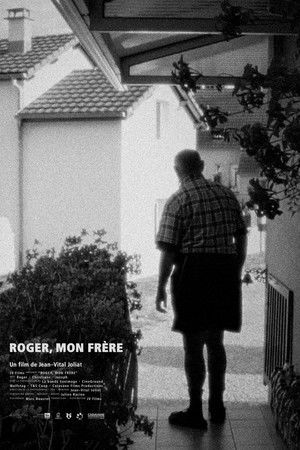
ROGER, MY BROTHER immerses us in the moving story of Christiane, who is devoted to caring for her brother Roger, who has Alzheimer's disease. Her tireless commitment allows Roger to avoid being placed in a nursing home despite the challenges. At the heart of this sibling relationship lies an unbreakable bond of love, demonstrating human resilience and the strength of family ties. This film celebrates the dignity, compassion, and determination that drive the bond between brother and sister, offering a profound reflection on love's ability to overcome the most insurmountable obstacles.
Grandma has become a little doddery. And since the death of her husband, called E.O., ever bigger gaps have opened in her memory, and her disorientation has increased. Director Astrid Menzel makes a decision: to take a ten-day canoe trip on northern German waters with her brother and the 86-year-old lady. An adventure whose outcome is uncertain and which the three travellers have to face anew at every stage.
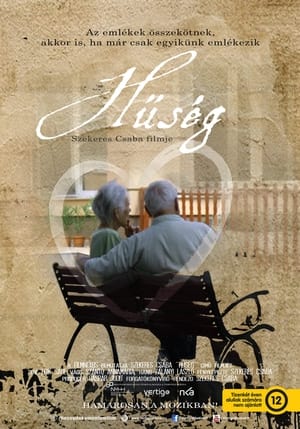
Hűség
Alzheimer's: Every Minute Counts is an urgent wake-up call about the national threat posed by Alzheimer's disease. Many know the unique tragedy of this disease, but few know that Alzheimer's is one of the most critical public health crises facing America. Because of the growing number of aging baby boomers, and the fact that the onset of Alzheimer's is primarily age-related, the number of Alzheimer's case is predicted to skyrocket in the United States. This will not only be a profound human tragedy, but an overwhelming economic one as well. Due to the length of time people live with the illness and need care, it's the most expensive medical condition in the U.S. Future costs for Alzheimer's threaten to bankrupt Medicare, Medicaid, and the life savings of millions of Americans.
With this inventive portrait, director Kirsten Johnson seeks a way to keep her 86-year-old father alive forever. Utilizing moviemaking magic and her family’s dark humor, she celebrates Dr. Dick Johnson’s last years by staging fantasies of death and beyond. Together, dad and daughter confront the great inevitability awaiting us all.
For a few years now, scientists have known about the existence of another brain within our bodies. This second brain, or "brain down below" is none other than our stomach. The stomach's intelligence is a new avenue of research that is fascinating research teams the world over.
Coffee is the second most important commodity in the world after oil. The drink has a long history and what's more, its effect seems to be stimulating in two senses.
In his most personal documentary yet, Chris Hemsworth turns the camera on his own family after his dad’s recent Alzheimer’s diagnosis. They embark on a road trip into their past, exploring the science of social connection and how it can support memory function. They revisit meaningful places and faces, capturing it all as a home movie, and reviving treasured recollections.
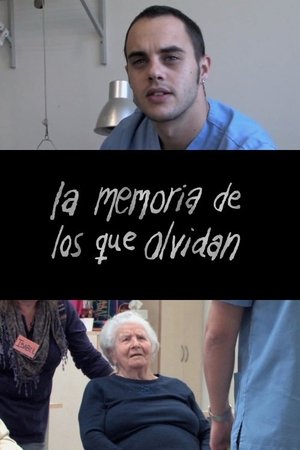
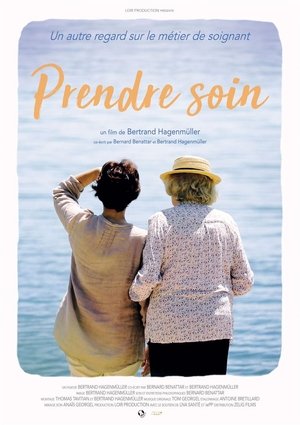
An immersive documentary about four nurses working in retirement houses in Alzheimer units. Near to Claire, Luca, Antoinette and Lika, we discover how the nurses work, how the care is possible, with patience, ability, intelligence, tenderness and love.
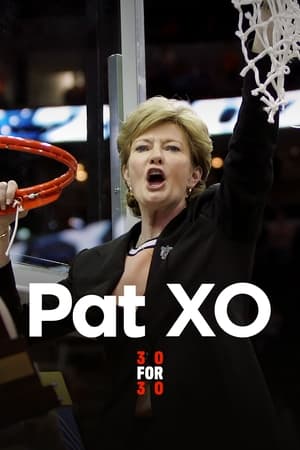
This documentary profiles the life and career of Pat Summitt, the NCAA's winningest basketball coach, who resigned from her post at the University of Tennessee in 2012 due to early-onset Alzheimer's disease.
The threat of dementia is affecting more and more people. As they slowly lose their memories and physical abilities, music proves to be a miraculous source of comfort, vitality, and hope. How is it, for example, that people with dementia often remember music longer than their own names?
A documentary film detailing Glen Campbell's final tour and his struggle with Alzheimer's disease.
Augusto and Paulina have been together for 25 years. Eight years ago, he was diagnosed with Alzheimer's disease. Both fear the day he no longer recognizes her.
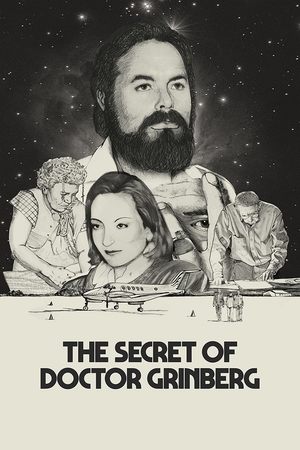
In the early nineties, Dr. Jacobo Grinberg’s career was blooming and he gained lots of international credit as a researcher in the fields of telepathy and neurophysiology at the Universidad Nacional Autonoma de Mexico. When Dr. Grinberg mysteriously disappears in 1994, the police find no trace of him. The only thing that is clear, is that all his research material, including his computers, disappeared along with him.
More and more doctors and surgeons are using hypnosis as a supplement to anesthesia during surgery. Hypnosis is also gaining increasing recognition among conventional physicians, especially for anesthesia and pain treatment. Can it also help with psychological stress disorders such as trauma, phobias, addiction, depression or burnout?