Strap yourself in and hold on tight as this video takes you on a close look at the USHRA mud and monster series from the 80's. See breath taking stunts, Super charged mud racers take on the bog and clock and see Trucks and Tractors pull as much as 50,000 pounds!
A gripping documentary about the courage and determination of a young English stockbroker who saved the lives of 669 children. Between March 13 and August 2, 1939, Nicholas Winton organized 8 transports to take children from Prague to new homes in Great Britain, and kept quiet about it until his wife discovered a scrapbook documenting his unique mission in 1988. Winton was a successful 29-year-old stockbroker in London who "had an intuition" about the fate of the Jews when he visited Prague in 1939. He quietly but decisively got down to the business of saving lives. We learn how only two countries, Sweden and Britain, answered his call to harbor the young refugees; how documents had to be forged and how once foster parents signed for the children on delivery, that was the last he saw of them.
Rally dos Sertões 2003 - 11º Rally Internacional dos Sertões
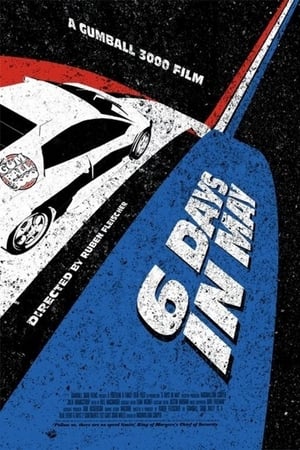
Some of the most amazing cars ever built race across Spain and head south into Africa in the 6th Annual Gumball 3000 Rally. This film captures the 2004 race, which featured Ferrari Enzos, Hummers, Caterhams, Aston Martins and other rare autos driven by an eccentric mix of skateboard pros, supermodels, Saudi royals and billionaires. The thrills abound as racers evade the law to be the first to cross the finish line at the Cannes Film Festival.
Thirty years after the end of Group B rallying, film-maker Helmut Deimel has launched his latest film on rallying’s wildest era. For “Riding Balls of Fire”, the Austrian legend behind the hugely popular “Evolution of Rallying” has gathered together the finest archive footage of the 500 bhp Group B supercars in their prime. Watching this film really shows the extreme pace of evolution of the cars and the sport in the three short years from 1983 to 1986.
Propaganda short film depicting the rise of Nazism in Germany and how political propaganda is similarly used in the United States. The film was made to make the case for the desegregation of the United States armed forces.
Bofi
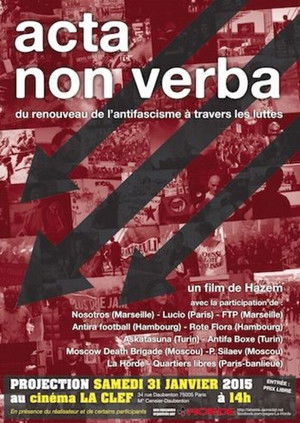
A low-intensity war is being fought on the streets of Europe and the aim is on fascism. This critically acclaimed documentary takes us behind the masks of the militants called antifascists. In 2013 a group of armed nazis attacks a peaceful demonstration in Stockholm where several people are injured. In Greece the neo-nazi party Golden Dawn becomes the third largest in the election and in Malmö the activist Showan Shattak and his friends are attacked by a group of nazis with knives and he ends up in a coma. In this portrait of the antifascists in Greece and Sweden we get to meet key figures that explain their view on their radical politics but also to question the level their own violence and militancy.
Defiance is in the air in this evocative newsreel footage of anti-fascist solidarity rallies, after the Battle of Cable Street.
Poignant postwar appeal for Britain’s Jewry to support orphaned Jewish children rescued from Europe.
A showcase of German chancellor and Nazi Party leader Adolf Hitler at the 1934 Nuremberg Rally.
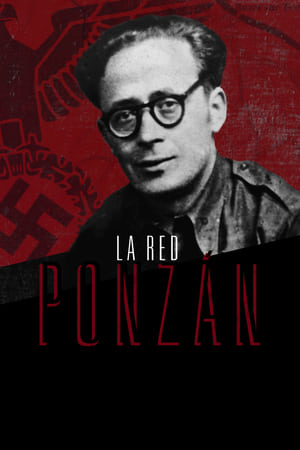
During the Spanish Civil War (1936-1939) and the Second World War (1939-1945), around three thousand people managed to elude their pursuers, and probably also avoided being killed, thanks to the heroic and very efficient efforts of the Ponzán Team, a brave group of people — mountain guides, forgers, safe house keepers and many others —, led by Francisco Ponzán Vidal, who managed to save their lives, both on one side and the other of the border between Spain and France.
The Spanish Civil War (1936-1939) caused a great impression on the lives of most of the American artists of that era, so many movies were made in Hollywood about it. The final defeat of the Spanish Republic left an open wound in the hearts of those who sympathized with its cause. The eventful life of screenwriter Alvah Bessie (1904-1985), one of the Hollywood Ten, serves to analyze this sadness, the tragedy of Spain and its consequences.
July, 1936. The terrible Spanish Civil War begins. When the streets are taken by the working class, the social revolution begins as well. The public shows are socialized, a model of production and exhibition of films, never seen before in the history of cinema, is created, where the workers are the owners and managers of the industry, through the unions.
A reflective look at the arrival and impact of AIDS in San Francisco and how individuals rose to the occasion during the first years of the crisis.
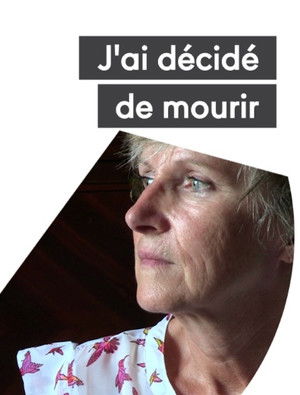
J'ai décidé de mourir
A documentary on the life of rally driver Michèle Mouton.
The neon sign ‘Circus’ illuminates the wide street of Naples’ suburbs: four circus families were abandoned by the institutions, and now they’re awaiting the pandemic will disappear, like a magic show. The circus has stopped, but their lives go on.
The concept for the film was developed based on sociological research conducted as part of the Youth Subcultures conference in collaboration with the Institute of Sociology of the Slovak Academy of Sciences. The film’s core value lies in its ability to provide an inside look at selected subcultures, achieving an exceptional level of engagement with their members. The filmmakers managed to break through the participants' initial reluctance to openly discuss their experiences. The documentary directly addresses key aspects of these subcultures, including drugs, faith, and personal beliefs. It focuses on six specific groups: the techno scene, graffiti artists, antifascists, religiously oriented youth, skinheads, and young people inspired by Eastern spirituality. The film includes footage from illegal rave parties, graffiti sessions, and other underground activities. Overall, the documentary serves as an insightful map of Bratislava’s contemporary alternative scene.
Annita Malavasi was just 22 when the Germans occupied Italy, their former allies, in 1943. As a partisan in the Italian resistance named “Laila”, she moved throughout the Apennines with and between fighting units, delivering information, transporting weapons, and taking part in battles. She spent over a year in the Apennines, fighting against the German occupation. At the same time, she had to assert herself against the men of the mountain villages. By the end of the war, Laila had risen among the ranks to become one of the few female commanders in the Italian resistance. This film chronicles the story of a lifelong struggle for emancipation that began with the battle for Italy’s liberation from fascism. Laila and her two comrades, Gina “Sonia” Moncigoli and Pierina “Iva” Bonilauri talk about their time in the Resistenza and what it meant to them and many other women.