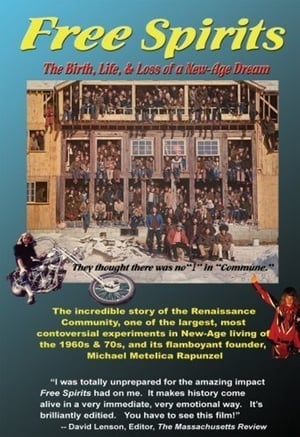
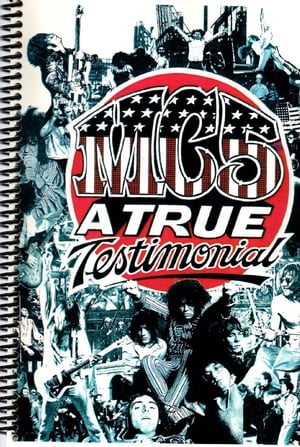
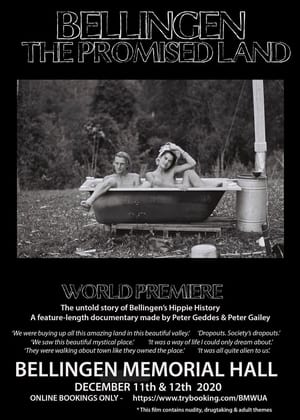
The incredible true story of the Renaissance Community commune, one of the largest, most controversial intentional communities of the 1960s and 70s, and its flamboyant founder, Michael Metelica Rapunzel.
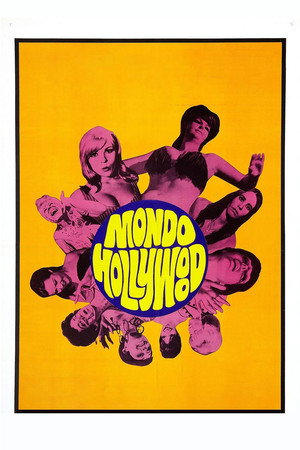
Long considered a cult classic, "Mondo Hollywood" captures the underside of Hollywood by documenting a moment in time (1965-67), when an inquisitive trust in the unknown was paramount, hope for the future was tangible and life was worth living on the fringe. An interior monologue narrative approach is used throughout the film, where each principal person shown not only decided on what they wanted to be filmed doing, but also narrated their own scenes. The film opens with Gypsy Boots (the original hippie vegan - desert hopping blender salesman), and stripper Jennie Lee, working out 'Watusi-style' beneath the 'Hollywood' sign -- leading into the 'sustainable community' insight of Lewis Beach Marvin III, the S&H Green Stamp heir, who lived in a $10 a month garage while owning a mountain retreat in Malibu.
This refreshingly frank and impartial study of the discovery and development of the notorious hallucinogenic drug is notably free of moral judgmental, and features contributions from such legendary heroes of psychedelia as Albert Hoffman - the Swiss scientist who discovered the drug - Aldous Huxley - author of 'The Doors of Perception' - Ken Kesey - author of 'One Flew Over the Cuckoo's Nest.
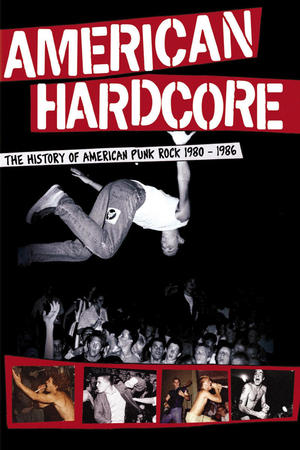
Inspired by Steven Blush's book "American Hardcore: A tribal history" Paul Rachman's feature documentary debut is a chronicle of the underground hardcore punk years from 1979 to 1986. Interviews and rare live footage from artists such as Black Flag, Bad Brains, Minor Threat, SS Decontrol and the Dead Kennedys.
Experimental movie, where a man comes home and experiences LSD. His kaleidoscopic visions follow, with readings inspired by the Tibethan Book of the Dead.
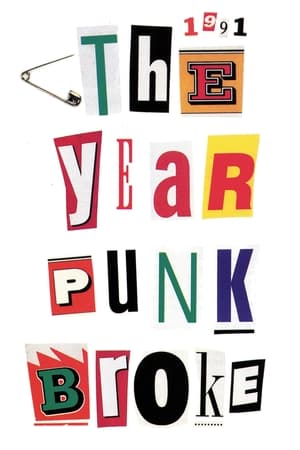
David Markey's documentary of life on the road with Sonic Youth and Nirvana during their tour of Europe in late 1991. Also featuring live performances by Dinosaur Jr, Babes in Toyland, The Ramones and Gumball.
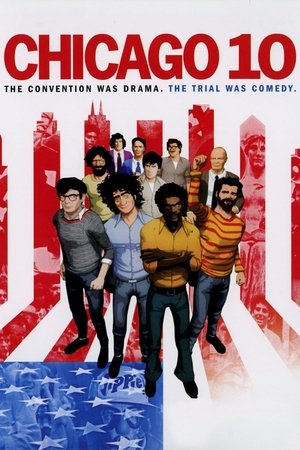
Archival footage, animation and music are used to look back at the eight anti-war protesters who were put on trial following the 1968 Democratic National Convention.
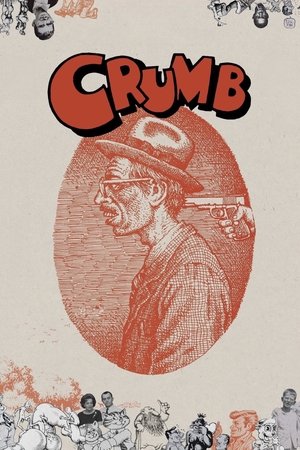
This movie chronicles the life and times of R. Crumb. Robert Crumb is the cartoonist/artist who drew Keep On Truckin', Fritz the Cat, and played a major pioneering role in the genesis of underground comix. Through interviews with his mother, two brothers, wife, ex-wife and ex-girlfriends, as well as selections from his vast quantity of graphic art, we are treated to a darkly comic ride through one man's subconscious mind.
One neighborhood in New York City, March 2020: the coronavirus is spreading rapidly, the federal government is clueless, and life seems increasingly surreal. A month later, the city has become an epicenter of the pandemic as the death rate spirals upwards. Then the racial justice protests erupt... Strange Days Diary NYC is an intimate account of living through a disruptive, frightening, yet inspiring time.
Years ago, artists would walk around the muck at the edge of the San Francisco Bay in Emeryville, and build loads of sculptures out there on the flats, created from driftwood and found objects that drivers would enjoy as they motored south on the old Highway 17 (known in numerous radio ads as 'Highway 17, The Nimitz'). Grabbing material off someone else’s work was considered fair game and part of the fun, and contributed a kinetic dynamic to the ongoing display. Now the place is a park, and the sculptures are gone, but you can see what it used to be like in this neat and funny documentary by Ric Reynolds, augmented by Erich Seibert’s wonderful musique-concrète/time-lapse sequences. The flashback circus sequence includes Scott Beach and Bill Irwin. Sculptors interviewed include Walt Zucker, Tony Puccio, Robert Sommer, Ron & Mary Bradden, and Bob Kaminsky.
The film, set almost entirely in New York, tells of the life of some young people of the late Sixties: of the use they make of various drugs, including the terrible LSD, of their sex life and their freedom of costume and thought.
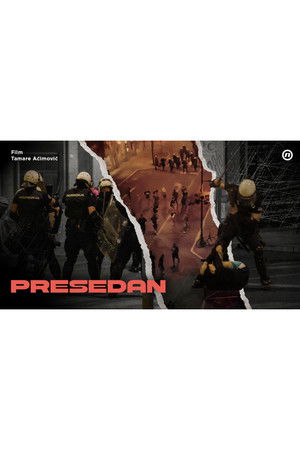
As anger and resentment grow in the face of social inequalities, many citizens-led protests are being repressed with an ever-increasing violence. In this documentary, David Dufresne gathers a panel of citizens to question, exchange and confront their views on the social order and the legitimacy of the use of force by the State.
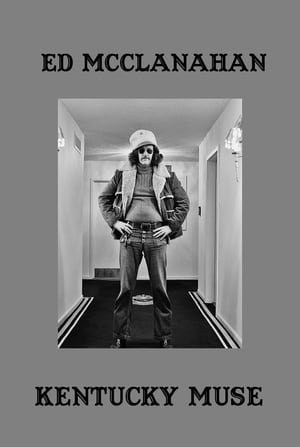
Unable or unwilling to conform to the rigid atmosphere of Washington and Lee College as a freshman, Ed bailed out after a brief stint there to attend—and graduate from—Miami of Ohio. After graduate work at UK, he left for the Left Coast, and it suited him just fine. The first stop was a writing instructorship at Oregon State, then enrollment into the Stanford Writing Program, a move shared by Jim, Wendell, and Gurney. There he cultivated, among other things, relationships with Larry McMurtry, Robert Stone, and—most importantly—Ken Kesey. Ed didn’t just experience the 1960s; he wallowed in them. Also, a bonus interview from 1996 program, Signature Live.
The extraordinary life story of science fiction and fantasy writer Ursula K. Le Guin (1929-2018) who, in spite of remaining for many years on the sidelines of the mainstream literature, managed to be recognized as one of the most remarkable US writers of all time, due to the relevance of her work and her commitment to the human condition.
Andy Warhol directs The Factory regular Louisa "Jackie" Foster for a screen test.
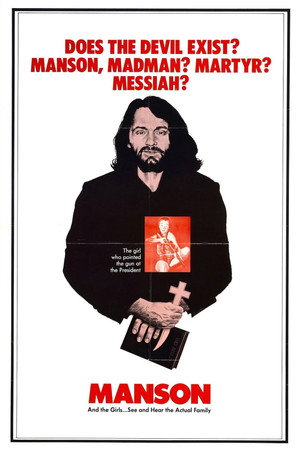
Prosecuting attorney Vincent Bugliosi and Manson "family" members Lynette Fromme, Mary Brunner and Sandra Good discuss the Tate-LaBianca murders.
They're young, unemployed and on the march - from Glasgow, Liverpool and Swansea to London.
In the summer of 1968, a group of people assembled in Great Barrington, Massachusetts. They were making a film of John Barth's 1958 novel The End of the Road.
Keith Haring: The Message was released in conjunction with the Keith Haring retrospective at the Museum of Modern Art in Paris. Directed by famed designer, Madonna stylist and Haring confidante Maripol, The Message goes pretty deep into both the artist and the city and times he’ll forever be identified with: New York City, circa the 1980s. The focus, as the title indicates, is upon the “struggles that animated” Keith Haring’s work, his activism – in a word, his “message.”
A countercultural icon, Hoffman is remembered as one of the greatest radicals of the civil rights and anti-war movements of the sixties. In this film, which documents the first interview he gave in 1980 when he decided to reveal his identity after spending seven years in hiding, he traces the evolution of political activism in America. "My name is Abbie... orphan of America."