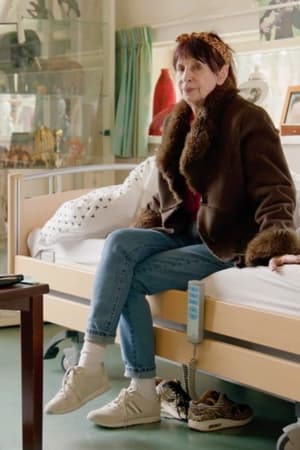
Carol Morley returns to Manchester, where in the early 1980s, five years of her life were lost in an alcoholic blur. The Alcohol Years is a poetic retrieval of that time, in which rediscovered friends and acquaintances recount tales of her drunken and promiscuous behavior. In Morley’s search for her lost self, conflicting memories and viewpoints weave in and out, revealing a portrait of the city, its pop culture, and the people who lived it.
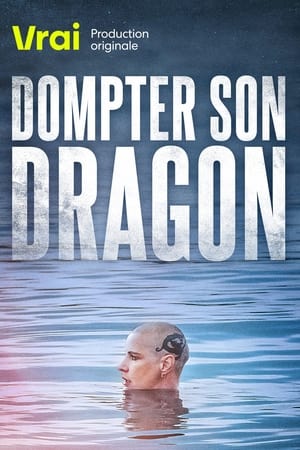
Dompter son dragon
Alcool au féminin, elles brisent le tabou
A feature length, theatrical documentary on the life of Paul Gascoigne, one of the greatest footballers that ever lived: delving deep into his psyche, vulnerabilities, fears and triumphs.
Thomas Adam has been through a lot. Alcohol was a constant presence in his life, costing him his marriage and his job. He lived on the streets of Frankfurt am Main for 16 years. Now he leads alternative city tours through the city to encourage a change of perspective and shift the way people view the homeless.
Real-life drama about why, in a beautiful and quirky rural town, film- maker Jez Lewis' childhood friends are killing themselves. Beginning with a personal quest for understanding, the film moves into a year-long drama of human tragedy and redemption as principal character Cass comes to terms with his own mortality and attempts to lift himself out of his cycle of self-destruction. This core narrative carves an upward arc through an intimate study of a place often described as paradise, but which harbours an undertow of lethal hedonism and disillusionment. As people continue to kill themselves during the making of the film, a maelstrom of conflicting values throws up unexpected truths about the human condition.
Adrian Chiles takes a long hard look at his own love of boozing. He wants to find out why he and many others don't think they are addicted to alcohol, despite finding it almost impossible to enjoy life without it.
Tony Slattery examines his Mental Health and Alcoholism and looks for a diagnosis.
One of several films by the Hoffman-Skórzewski duo, made as part of the "black series" of Polish documentaries showing social problems hidden from viewers behind the façade of socialist realist productions until the mid-1950s. The subject of the film are the effects of alcoholism, whose innocent victims are children.
Alcoholics Anonymous is a community of men and women who share their experience, hope and support with each other so that they can address their common problem and help others to break free from alcohol addiction. The documentary follows the stories of ten people who have been on the verge of alcoholism for almost their entire lives.
Adapted from a performance by the same name, fuses autobiographical material with information about how an alcoholic family perpetuates addictive behavior. Elements of Alcoholics Anonymous meetings, such as the “Hi, my name is...” introduction are used along with photo-montage and a disjointed narrative. In addition to being shown at venues such as the Museum of Modern Art and the New Museum, Trick Or Drink has been used regularly by hospitals and alcohol treatment centers throughout the United States.
Apuntes a la Orilla
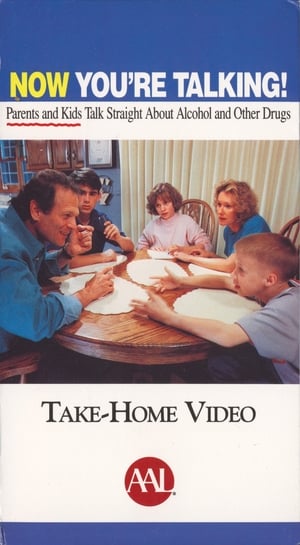
Parents and Kids Talk Straight About Alcohol and Other Drugs. Does your family have trouble talking when it comes to a tough issue like alcohol and other drugs? Are you afraid to say what you really think? Clear communication is key to preventing alcohol and other drug abuse. This innovative program is designed to help your family talk straight about this critical issue. You’ll see real-life situations involving drinking or other drug use. Watch these scenes and see how parents and kids often react when faced with decisions about alcohol or other drugs. Then use the accompanying guide to discuss your feelings about what you’ve just seen. How would you respond in similar situations?
The life and work of the enigmatic singer-songwriter Harry Nilsson.
A newspaper clip of a 30-year-old movie makes our middle-aged protagonist in the middle of his peak years to look for his best childhood friend. The journey leads him back to his teenage years in the 1990s depression, over-generational substance abuse and past encounters. This partly essayistic, autobiographical documentary tells the story of friendship and generational experiences while also pondering on the causes and effects of destinies in the judgmental atmosphere of our society.
A look at the personal life of the Arsenal and England player
David Vandenbrink seems like a healthy 21-year-old, bright and articulate young man. There is little to suggest that while in his mother's womb, he suffered permanent brain damage. His condition, fetal alcohol syndrome (F.A.S.), went undiagnosed for the first 18 years of his life, causing confusion, anger, and pain for both David and his non-Indigenous adoptive family. Fetal alcohol syndrome is a term used to describe a set of symptoms seen in some children born to women who drank alcohol during pregnancy. The damage can be subtle or severe, resulting in a wide range of symptoms in the areas of slowed growth, disfigurement, and damage to the brain. Associated behavioural problems include impulsiveness, poor judgment, and an inability to grasp the consequences of actions. This personal story, using video footage shot by David himself, along with the experiences of members of his family, is a hard look into the serious consequences of a little-known, but widespread, health problem.
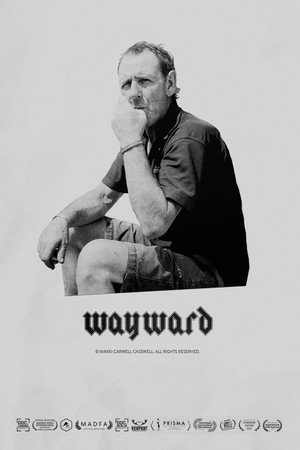
Wayward is a feature documentary charting one man's ambition to restore and motor 'his wreck of a boat' from London to Ireland to reunite with his family. All plans soon take a back seat as struggles with alcoholism, spiralling mental health and mounting debt threatens to hamper all progress. Can he find the personal resolve to turn it around before it all closes in?
In 1986, twelve years after his film Kihnu Naine (The women of Kishnou), Mark Soosaar made this complementary documentary at the centre of which are the male inhabitants of the island. With a bitter undertone to it, Soosaar shows how, to this view, a lack of possibilities for self-government and the conceited attitude of the mainland towards the islanders have caused great problems to this society. The island has been negligently placed under far too large a kolkhoz. Enormous alcoholism is prevalent among the male population and, increasingly, among the women. Sheer possession of money has become a standard of regard. If a family cannot spare 4,000 roubles for the marriage of their children, they are ignored by the other islanders. In this dramatic as well as poetic documentary we see how the social awareness of a society has gone by the board. Merely concrete and strict reformations can improve the situation the island is in.
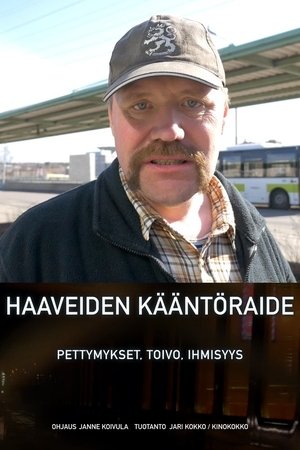
A rough but beautiful documentary film about the crisis of a man in his forties and his desire for a better life; its a story of parenthood, alcohol, Finnish man and his desire for love. It is also an unusually intimate depiction of the relationship between the father and his son. Despite the seriousness of the topic the film includes black humor and situational comedy